

The Bundling Problem: How Combined Negotiations Obscure Real Numbers
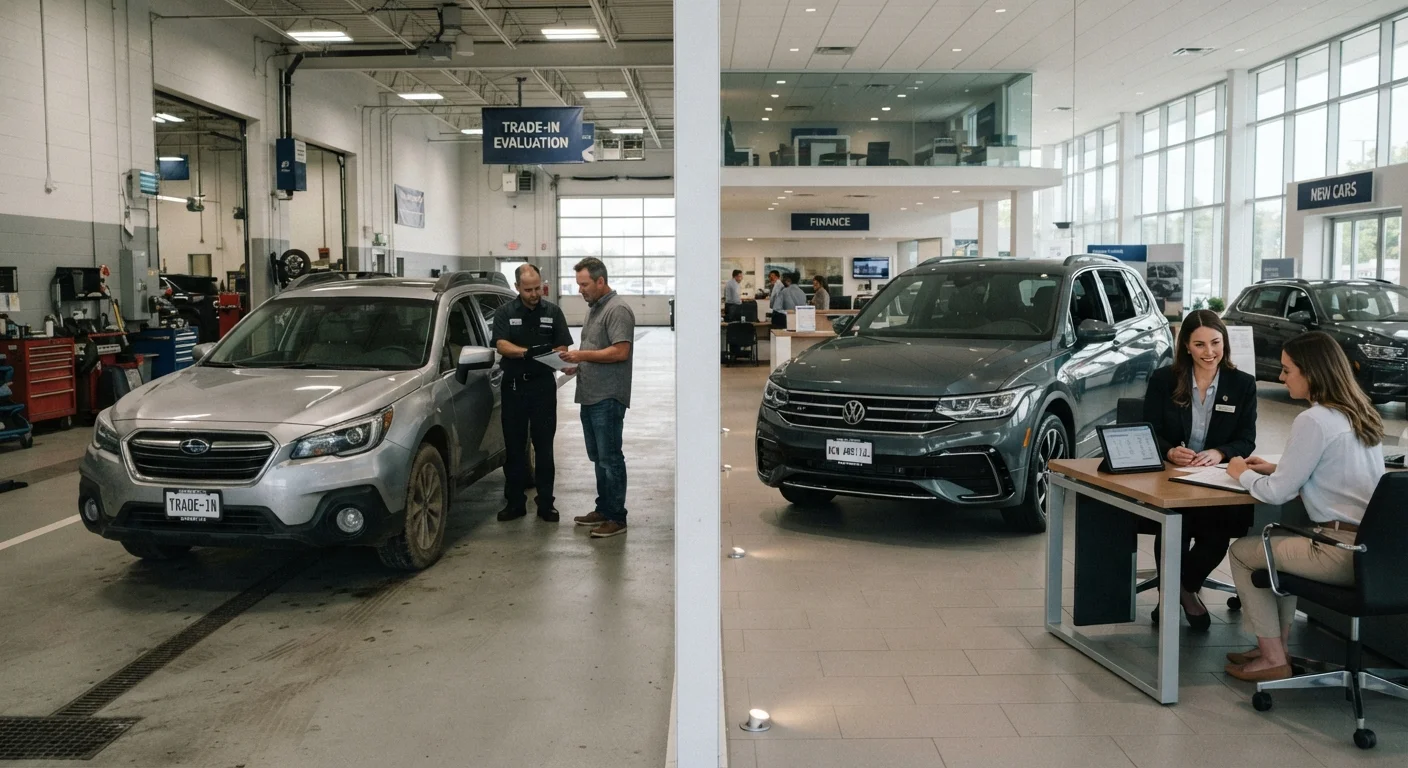
When you walk into a dealership ready to buy and trade in your current vehicle simultaneously, you're presenting the dealer with two separate profit opportunities - and handing them the ability to blend them together. This is commonly called bundling, and it's one of the most effective tools dealers have to make a deal appear more favorable than it actually is.
Here's how it works in practice: a dealer might offer you $3,000 more on your trade-in than it's worth, while quietly marking up the new vehicle by the same amount. On paper, each number looks reasonable - but the net result is no different than if they'd given you a fair trade value and a fair purchase price independently.
The reverse happens too. A dealer may discount the new car meaningfully, then undervalue your trade-in to recover margin. Without a clear, prior understanding of what each vehicle is worth, you can't tell which way the math is moving. As common car-buying myths make clear, focusing on any single number - trade value, sale price, or monthly payment - in isolation creates blind spots across the whole transaction.
~$700
Average amount consumers leave on trade-in value
Industry research has suggested that consumers who don't research trade-in values independently tend to accept offers well below market rate, often in the range of hundreds of dollars less than independent appraisals.
4 in 10
Car buyers who negotiate only on monthly payment
Consumer financial education surveys have consistently found that a significant share of buyers focus primarily on monthly payment figures rather than total vehicle cost, making bundling strategies more effective.
Best Practices for Keeping the Deals Separate
Structuring your car purchase and trade-in as two independent transactions requires deliberate preparation. The practices below give you the tools to do that effectively.
Obtain an independent trade-in appraisal before visiting any dealership.
Without a baseline value for your trade-in, you have no way to evaluate whether a dealer's offer is fair. Third-party appraisals give you a documented, objective starting point that's grounded in current market conditions rather than dealer discretion.
Negotiate the purchase price of the new vehicle to a firm agreement before introducing your trade-in.
Once a price on the new vehicle is agreed to in writing, a dealer cannot quietly inflate it to absorb a generous trade-in offer. Locking in the purchase price first removes that lever from the negotiation entirely.
Always negotiate in total out-of-pocket cost, not monthly payments.
Monthly payment negotiation is the single most effective way for dealers to obscure the true cost of a deal. Stretching a loan term by 12 months can make a poor deal look affordable while adding thousands in interest over time.
Get all trade-in offers in writing before signing any purchase documents.
Verbal trade-in values are not binding. A written appraisal, even from the dealer, creates an accountable record that prevents the number from shifting unexpectedly at signing.
Consider completing the trade-in sale to a third party before purchasing the new vehicle.
Selling your current car independently - whether privately or to a competing buyer - converts your trade equity into cash, simplifies the dealership transaction, and eliminates the bundling dynamic entirely.
Quick Actions You Can Take Before Setting Foot in a Dealership
Much of your negotiating strength comes from preparation done before any conversation begins. The actions below are concrete steps you can complete in advance to enter any dealership interaction on solid footing.
First-time buyers in particular tend to underestimate how much the surrounding details - appraisal timing, paperwork sequencing, financing structure - shape the real deal. Our guide on what first-time car buyers often overlook covers many of these blind spots in depth.
When It Makes Sense to Skip the Dealer Trade-In Entirely
Not every trade-in belongs at a dealership. Depending on your vehicle's age, condition, and demand in your local market, selling privately or to a third-party buyer can yield meaningfully more money - sometimes thousands of dollars.
“The best leverage a car buyer has is information. Know what your trade is worth before you know what you want to pay for the new one - treating them as one number is how dealers stay in control of the deal.”
— Philip Reed, Automotive consumer advocate and former senior consumer advice editor at a major automotive research publication
Third-party appraisal services allow you to receive competitive written offers without committing to a sale. These written offers can also function as leverage: bringing a documented third-party offer to a dealer gives you a concrete floor to negotiate from, making it far harder for a dealer to lowball your trade.
If you're weighing how your trade-in fits into a broader decision between buying outright and leasing, the financial trade-offs of buying vs. leasing are worth understanding before you finalize any deal structure. And if you're considering buying from a private seller rather than a dealership, understanding what changes when you buy from each will help you set realistic expectations about pricing dynamics and protections.
Timing Your Trade-In Sale Strategically
If your current vehicle is in high demand - certain trucks, SUVs, or low-mileage used cars - the private market may offer considerably more than any dealer trade-in. Check local listings for comparable vehicles to gauge real-world private sale prices before defaulting to a dealer trade. A few extra days of effort can translate into meaningful additional equity toward your next purchase.
The content on this site is for informational purposes only and is not a substitute for professional advice. Always consult a qualified professional for guidance specific to your situation.