

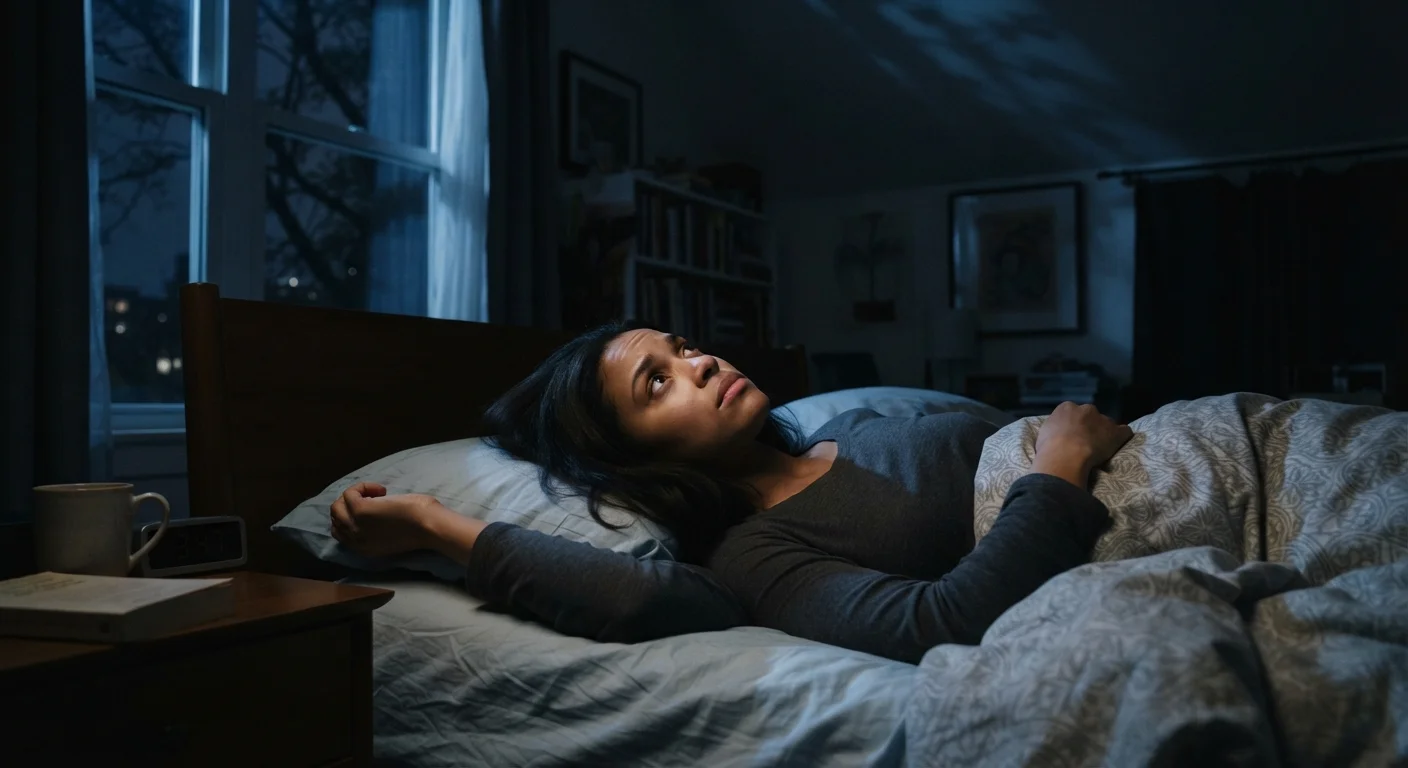
The Gap Between Wanting Better Sleep and Getting It
Most people who struggle with sleep are not failing from lack of effort. They track their hours, buy blackout curtains, cut caffeine after noon. And yet the pattern persists - lying awake, waking at 3 a.m., dragging through the next day. The problem is rarely effort. It is usually that well-meaning strategies are either misdirected or subtly counterproductive.
Sleep is regulated by two interlocking systems: a circadian clock that times alertness and a homeostatic drive that builds sleep pressure the longer you stay awake. Most quick-fix advice ignores how these systems actually work. Understanding the most common behavioral mistakes - and what the evidence actually supports - is a more reliable starting point than any single tip.
It is also worth noting upfront that sleep and mental health share a bidirectional relationship. Poor sleep erodes emotional regulation, and stress or low mood fragment sleep in return. Pulling on one thread often moves the other - which is why social and emotional wellbeing belongs in any serious conversation about sleep.
This Is General Information, Not Medical Advice
The information in this article is for general educational purposes only and does not constitute medical advice. If you are experiencing persistent sleep difficulties, mood disturbances, or symptoms that affect daily functioning, please consult a qualified healthcare professional. Do not start, stop, or change any treatment or medication based on this content.
Common Mistakes That Undermine Sleep - and How to Correct Them
The following patterns appear repeatedly in people who describe themselves as "bad sleepers." Each has a plausible logic behind it, which is precisely why it persists. Recognizing them is the first practical step.
Spending too much time in bed hoping sleep will come.
Why it happens: When sleep feels elusive, lying down longer feels logical - more time in bed should mean more opportunity for rest. In practice, this weakens the brain's association between bed and sleep.
Prioritizing a consistent bedtime over a consistent wake time.
Why it happens: Most people focus on when they go to bed, treating it like the primary lever. But the body's sleep drive is heavily regulated by how long you've been awake since you last woke up.
Using screens or mentally stimulating content as a wind-down strategy.
Why it happens: Scrolling or watching something feels relaxing in the moment, and it genuinely does reduce active worry for some people. However, the light emitted by screens and the alerting nature of most content work against the brain's transition into sleep.
Treating stress and anxiety as separate problems from sleep.
Why it happens: Many people compartmentalize: they try sleep hygiene tips in isolation while leaving unaddressed anxiety or low mood to one side. Research consistently shows the relationship runs both ways - poor sleep worsens mood, and mood disturbances disrupt sleep.
Abandoning a new routine after one or two bad nights.
Why it happens: Sleep improvements are rarely linear. A poor night after starting a new routine feels like evidence that the approach has failed, when it is more likely a normal part of adjustment.
Sleep Aids Are Not a Long-Term Fix
Over-the-counter and prescription sleep medications may offer short-term relief but are generally not recommended as a standalone long-term strategy. Some can create dependency or mask an underlying condition. Always consult a healthcare provider before using any sleep aid regularly, including supplements such as melatonin.
Beyond the behavioral layer, physical factors matter too. Sleep's relationship to physical performance is frequently underappreciated - recovery, injury risk, and even strength adaptation are all affected by sleep quality, not just quantity. If an exercise routine is intense and recovery feels poor, it may be worth reading about signs that an exercise routine is working against you before adding more training volume.
What the Evidence Actually Supports
Of all the approaches studied for chronic sleep difficulty, Cognitive Behavioral Therapy for Insomnia (CBT-I) has the most consistent research backing. It combines sleep restriction, stimulus control (rebuilding the mental link between bed and sleep), relaxation techniques, and cognitive restructuring of unhelpful beliefs about sleep. It is available through trained therapists and increasingly through structured digital programs.
1 in 3
U.S. adults not getting enough sleep
The CDC reports that about one-third of American adults regularly sleep less than the recommended seven hours per night.
~80%
CBT-I response rate in clinical research
Research reviews published in peer-reviewed journals consistently show that Cognitive Behavioral Therapy for Insomnia produces meaningful improvement in the majority of people who complete it.
For most adults, behavioral approaches outperform medication over the long term - and they address root causes rather than symptoms. Meal timing and evening eating patterns can also influence sleep onset; what research says about meal timing is worth considering if late-night eating is part of your routine.
The throughline across all effective approaches is consistency applied over weeks, not nights. Sleep is a biological process, not a performance - and treating it as one is, ironically, one of the most reliable ways to make it worse.
This article is for general informational and educational purposes only and is not a substitute for professional medical advice, diagnosis, or treatment. Always seek the guidance of a qualified healthcare provider with questions you may have regarding a medical condition or sleep disorder.
The content on this site is for informational purposes only and is not a substitute for professional advice. Always consult a qualified professional for guidance specific to your situation.