

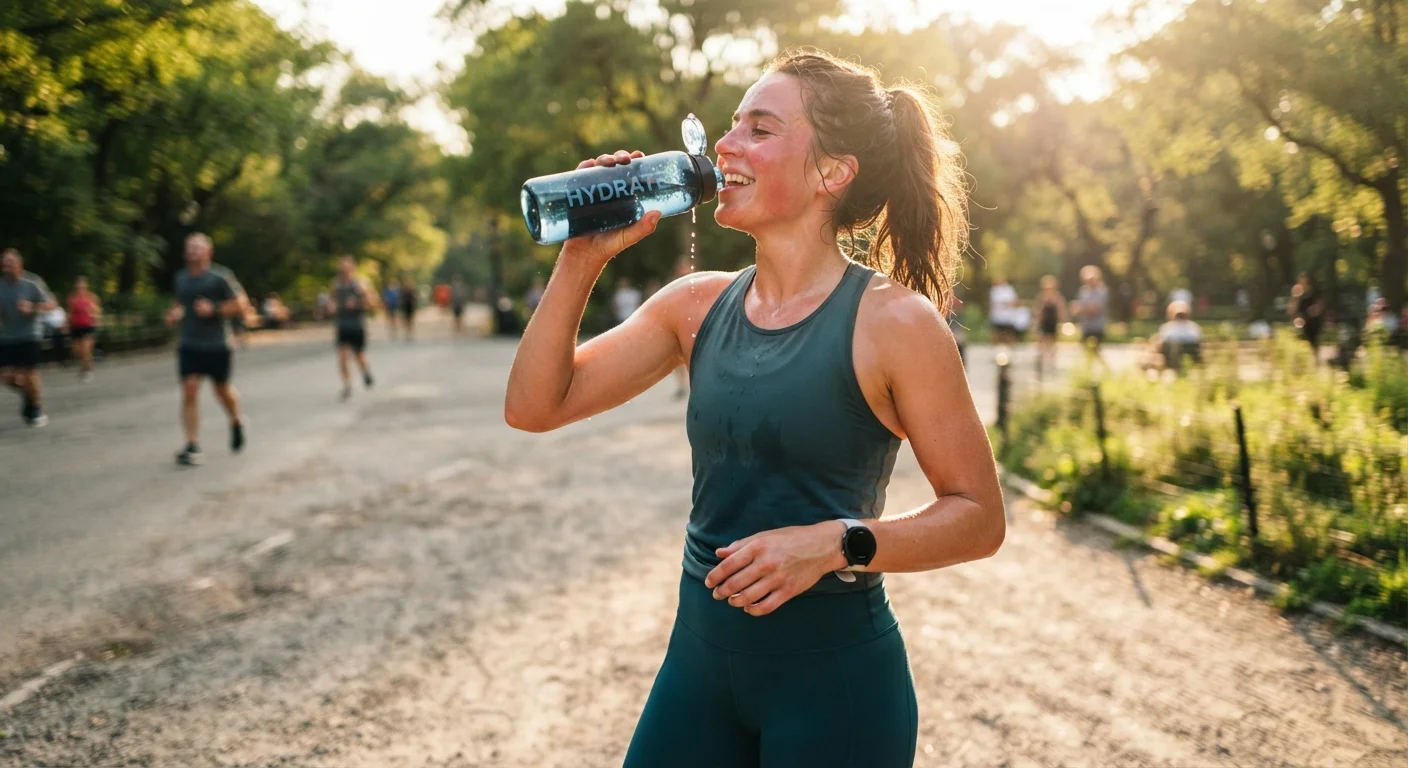
Why 'Just Drink More Water' Falls Short
Most hydration advice stops at a simple directive: drink more water. That guidance isn't wrong, but it skips over the variables that actually determine how much fluid your body needs during physical activity. Exercise intensity, ambient temperature, body size, sweat rate, and session length all shift that target — sometimes dramatically.
During exercise, your body loses fluid primarily through sweat, which serves as your built-in cooling system. Even modest fluid losses — around 2% of body weight — can impair physical performance and concentration. The challenge is that thirst doesn't reliably signal those early losses. By the time you feel noticeably thirsty during a workout, dehydration has often already begun. Building a practical hydration strategy means going beyond reactive drinking and understanding the specific demands of your activity.
If you're returning to exercise after a break, establishing sound hydration habits early is especially important, as your body is adapting to increased fluid demands it hasn't faced recently.
~2%
Body weight fluid loss that can impair performance
Research in sports physiology consistently links fluid losses of around 2% of body weight to measurable declines in both physical endurance and cognitive function during exercise.
0.5–2.5 L/hr
Typical sweat rate range during exercise
According to sports medicine literature, sweat rates vary widely among individuals based on fitness level, body size, heat acclimatization, and exercise intensity.
How Exercise Changes Your Fluid Needs
Fluid requirements during exercise aren't fixed. A brisk 20-minute walk in cool weather places very different demands on your body than a 90-minute run in summer heat. Several key factors drive this variation:
- Intensity: Higher-intensity exercise generates more body heat, triggering heavier sweating.
- Duration: Longer sessions accumulate greater total fluid and electrolyte losses.
- Environment: Heat and high humidity reduce the effectiveness of sweat evaporation, pushing the body to sweat more to stay cool.
- Individual sweat rate: Sweat rates vary significantly between people — some individuals lose more than twice what others do at the same pace and conditions.
General guidance from sports medicine organizations suggests drinking roughly 17–20 oz of fluid in the two hours before exercise, and approximately 7–10 oz every 10–20 minutes during activity — but these are starting estimates, not universal targets. Your actual needs will depend on the factors above, and you should adjust based on how your body responds.
A Simple Way to Estimate Your Sweat Rate
Weigh yourself (without clothes) immediately before and after a one-hour moderate workout where you drink a known amount of fluid. The difference in weight, adjusted for what you drank, gives you an approximate sweat rate. Doing this in different conditions — hot days vs. cool days — helps you build a more accurate personal hydration guide over time.
When Water Alone Isn't Enough: The Role of Electrolytes
For exercise sessions under about 60 minutes at moderate intensity, plain water is generally sufficient for most people. But as duration and intensity increase, electrolytes — minerals that carry electrical charges and support fluid balance, muscle function, and nerve signaling — become important to replace alongside fluid.
Sodium is the key electrolyte lost through sweat. When large amounts of sodium are lost and replaced only with plain water, blood sodium levels can drop to a dangerous condition called hyponatremia. Symptoms include nausea, headache, confusion, and in severe cases, seizures. This risk is higher in endurance events or prolonged outdoor activity.
For longer or high-sweat sessions, a beverage or food source that includes sodium can help maintain the balance. Many sports drinks are formulated to provide this alongside carbohydrates for energy — though their sugar content varies widely. For everyday exercisers, whole foods like a small salty snack post-workout can also restore electrolytes effectively. This consideration also intersects with your overall nutrition timing; see how meal timing fits into your routine for broader context.
“Hydration is not a one-size-fits-all prescription. Athletes and active individuals need to understand their own sweat losses and adjust fluid and electrolyte intake accordingly — not just chase a generic daily water target.”
— American College of Sports Medicine, Leading professional organization in exercise science and sports medicine
Practical Signs You're Getting It Right — and When You're Not
Monitoring hydration doesn't require lab tests. Several everyday cues offer reliable feedback:
Check your urine color before and after exercise as a hydration gauge
Urine color is one of the most accessible and validated indicators of hydration status. Pale yellow indicates adequate hydration; dark amber suggests you need more fluid. It requires no equipment and provides real-time feedback.
Weigh yourself before and after longer workouts to estimate fluid loss
Each pound of body weight lost during exercise approximates about 16 oz of fluid. This method helps you calibrate your intake for future sessions of similar duration and intensity, making your hydration approach evidence-based rather than guesswork.
Start every workout session already hydrated, not behind
Playing catch-up on fluids during exercise is less effective than arriving well-hydrated. Drinking fluids in the hours before exercise gives your body time to absorb and distribute them appropriately.
Adjust your fluid strategy based on heat, humidity, and exercise duration
A static rule — drink X ounces per hour — doesn't account for the increased sweat losses that come with high heat or extended effort. Recognizing these variables helps prevent both under- and over-hydration.
Be alert to signs of dehydration such as dark urine, dry mouth, dizziness, cramping, or a noticeable drop in exercise capacity. On the other side, if you feel bloated, nauseous, or notice a significant weight gain after a long workout despite not eating much, you may have consumed more plain water than your body needed — a prompt to reassess your intake strategy.
If your workout routine is feeling harder than it should or recovery is lagging, hydration is one of several factors worth examining. Signs your exercise routine might be working against you covers additional recovery and overtraining cues worth knowing.
This article is for general informational and educational purposes only and is not a substitute for professional medical advice. Consult a qualified healthcare provider before making significant changes to your exercise or hydration practices, especially if you have an existing health condition.
The content on this site is for informational purposes only and is not a substitute for professional advice. Always consult a qualified professional for guidance specific to your situation.