

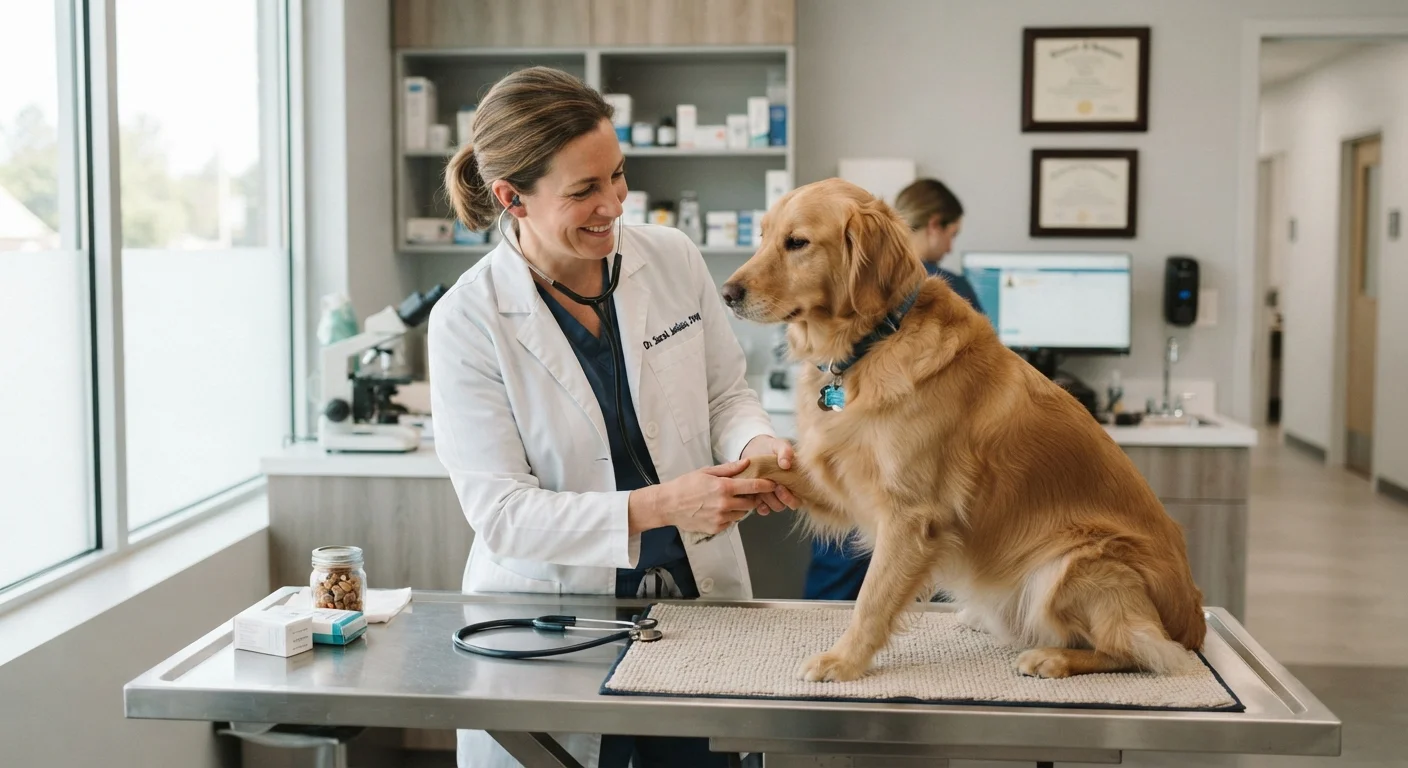
What Happens During a Routine Wellness Visit
An annual wellness exam is a structured, head-to-tail assessment — not simply a vaccine appointment. Most veterinarians follow a consistent sequence that lets them build a health baseline over time and flag deviations early.
Here is what a typical visit covers:
- Weight and body condition score: Vets assess whether your pet is underweight, at an ideal weight, or trending toward obesity — a significant concern since excess weight is linked to joint disease, diabetes, and shortened lifespan. See why pets gain weight and what vets recommend for more on this topic.
- Eyes, ears, nose, and throat: Discharge, cloudiness, polyps, or inflammation can indicate infections, allergies, or early organ changes.
- Teeth and gums: Dental disease is one of the most underdiagnosed conditions in companion animals. Tartar buildup, gum recession, and loose teeth are evaluated at every visit.
- Skin and coat: Texture, lumps, parasites, and hair loss patterns all carry diagnostic information.
- Heart and lungs: Stethoscope auscultation can reveal murmurs, arrhythmias, or abnormal breath sounds that owners would never notice at home.
- Abdomen: Palpation checks organ size and identifies pain responses that may signal gastrointestinal, urinary, or reproductive issues.
- Musculoskeletal system: Gait, joint flexibility, and muscle tone are assessed — especially important as pets age.
- Lymph nodes: Enlarged nodes can be an early indicator of infection or immune system changes.
Vaccines, parasite prevention, and bloodwork are often scheduled at the same visit but are separate from the physical exam itself.
Why the Frequency and Timing Matter
Pets age significantly faster than humans. A one-year gap between exams can represent the equivalent of several human years — enough time for conditions like kidney disease, hyperthyroidism in cats, or early heart disease to progress from detectable to advanced.
Body condition score (BCS)
A standardized 9-point (or 5-point) scale veterinarians use to assess whether a pet's weight is appropriate relative to its frame. It evaluates fat coverage over ribs, waist definition, and abdominal tuck.
Auscultation
The act of listening to internal body sounds — typically heart and lung sounds — using a stethoscope. It allows vets to detect murmurs, abnormal rhythms, or fluid in the lungs.
Complete blood count (CBC)
A blood test that measures red blood cells, white blood cells, and platelets. It can reveal anemia, infection, immune disorders, and clotting problems.
Biochemistry panel
A blood test that evaluates organ function, including the liver, kidneys, and pancreas, as well as blood glucose and electrolyte levels. Often run alongside a CBC as part of routine wellness screening.
Prophylaxis
Preventive treatment intended to stop a disease or condition before it develops. Dental prophylaxis (professional cleaning) and parasite prevention are common examples in veterinary care.
Most veterinary guidelines recommend annual exams for healthy adult dogs and cats, with visits increasing to every six months for pets over seven years of age. Senior pets have distinct health needs that require more frequent monitoring than younger animals.
Puppies and kittens typically follow an accelerated schedule in their first year to complete vaccine series and monitor developmental milestones. Pets with known chronic conditions may require more frequent check-ins than the annual standard.
Routine bloodwork — a complete blood count (CBC) and biochemistry panel — is often recommended annually for adults and more frequently for seniors. These tests can surface kidney or liver dysfunction, anemia, and blood sugar irregularities well before an animal shows visible symptoms.
If your pet is covered by insurance, many wellness plans include or partially reimburse annual exams. Understanding what your policy covers can reduce out-of-pocket costs. Pet insurance coverage varies widely, so reviewing your plan before the visit is worthwhile.
This article is for general informational purposes only and is not a substitute for professional veterinary advice. Always consult a licensed veterinarian for guidance specific to your pet's health needs.
The content on this site is for informational purposes only and is not a substitute for professional advice. Always consult a qualified professional for guidance specific to your situation.