

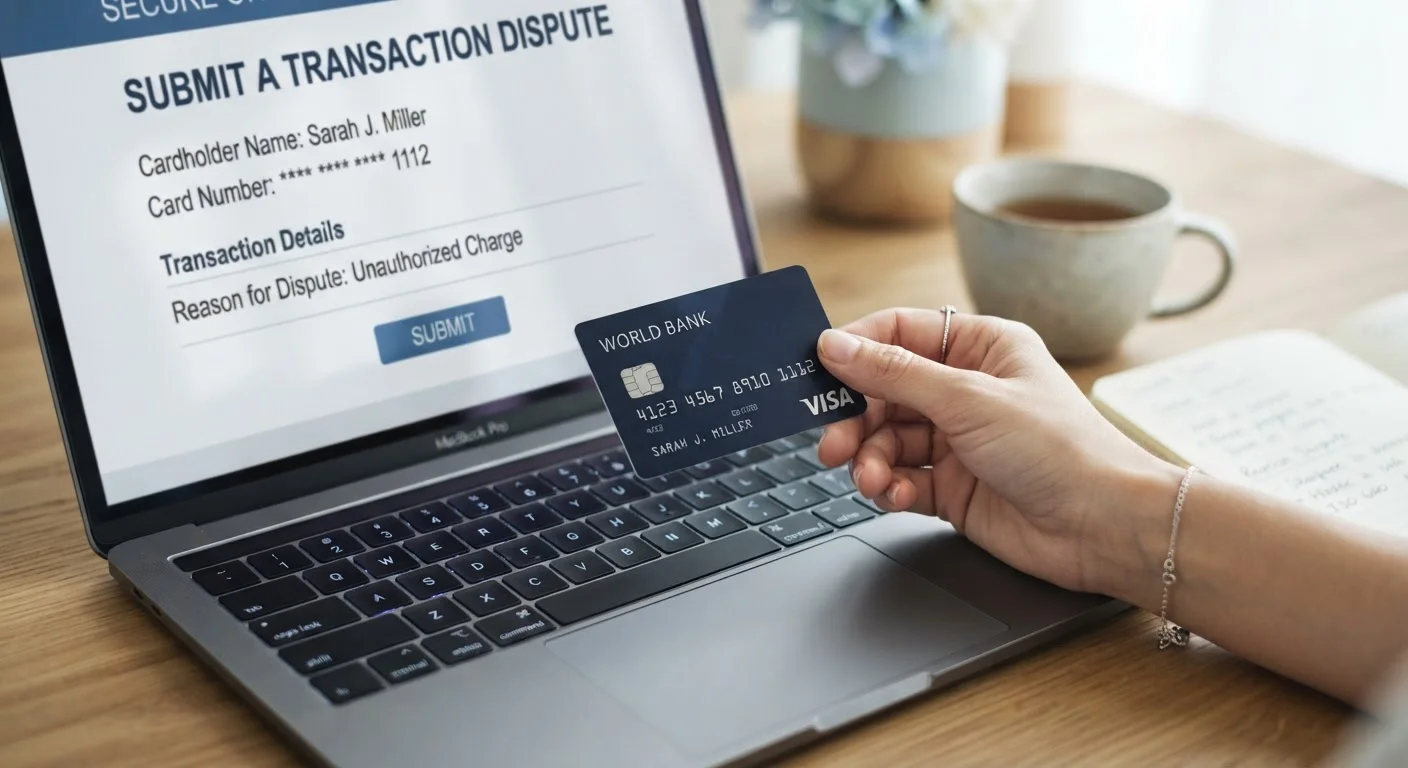
A Chargeback Is Not a Refund Request
When a merchant won't budge on a return or a charge appears on your statement that you didn't authorize, a chargeback is the formal recourse built into the credit card system. But it's frequently misunderstood — and misused.
A refund is a merchant-initiated action: the seller voluntarily returns your money. A chargeback bypasses the merchant entirely. You contact your card issuer, present your case, and the bank makes a judgment. If the dispute succeeds, the transaction amount is reversed. The merchant can contest the decision, but the card issuer holds the authority.
This distinction matters because the two processes have different rules, different timelines, and different consequences — for both you and the merchant. Understanding where each applies keeps you from using the wrong tool and potentially undermining a valid claim.
Credit Cards vs. Debit Cards: Different Rules Apply
Chargeback rights under the FCBA apply specifically to credit card accounts. Debit card disputes are governed by a separate law — the Electronic Fund Transfer Act (EFTA) — which provides narrower protections and shorter reporting windows in some circumstances. If you frequently shop online, understanding this difference can affect which card you reach for at checkout. See our guide on paying with credit vs. debit when shopping online for more.
The Legal Foundation: What the Fair Credit Billing Act Actually Says
In the United States, the right to dispute credit card billing errors is established by the Fair Credit Billing Act (FCBA), a federal law that applies to open-end credit accounts like credit cards. It covers specific types of billing problems, including:
- Charges you didn't authorize
- Charges for goods or services you didn't receive
- Charges in the wrong amount
- Charges for goods or services that weren't delivered as agreed
- Mathematical errors on your statement
The FCBA gives you 60 days from the date the statement was sent to submit a written dispute to your card issuer. Critically, the law requires you to have first made a good-faith effort to resolve the problem with the merchant — so document those attempts carefully.
For a broader picture of your post-purchase rights, see Your Rights After the Receipt: A Consumer Protection Primer.
60 days
FCBA dispute window from statement date
The Fair Credit Billing Act sets a 60-day limit from when the statement containing an error was sent to the consumer.
$50
Maximum consumer liability for unauthorized credit card use
Under the FCBA, if you report an unauthorized charge, your liability is capped at $50 — and most major card issuers waive even this amount under their own zero-liability policies.
~75%
Chargebacks attributed to friendly fraud by some estimates
Industry sources, including payment network research, suggest a significant share of chargebacks may involve transactions the cardholder actually authorized — highlighting why documentation matters in legitimate disputes.
When a Chargeback Is — and Isn't — Appropriate
Chargebacks exist to protect consumers, not to replace normal returns or bypass merchant policies you simply don't like. Using a chargeback when it isn't warranted — known in the industry as friendly fraud — is considered misuse and can lead to consequences including account closure.
Situations that generally support a valid chargeback:
- A charge you don't recognize and did not authorize
- You were billed twice for the same transaction
- You paid for an item that never arrived and the seller is unresponsive
- The product received was materially different from what was described
- A subscription you canceled was still billed
Situations that typically do not support a chargeback:
- You changed your mind about a purchase you received as described
- You're unhappy with quality but the item matches the listing
- The merchant has a strict no-refund policy you agreed to at purchase
If a retailer is refusing a legitimate return or repair, escalation steps — including chargebacks — are covered in detail in our guide on disputing a defective product when the seller refuses to help.
How to File a Chargeback: The Practical Steps
The process varies slightly by card issuer, but the general path is consistent:
- Document your attempt with the merchant. Save emails, chat transcripts, or notes from phone calls. This record is your evidence that you tried to resolve the issue first.
- Gather supporting materials. Collect your receipt, order confirmation, photos of a damaged or misrepresented item, and the relevant billing statement.
- Contact your card issuer. Call the number on the back of your card or log into your account portal. Many issuers now allow online dispute submissions. Clearly state the reason for the dispute — card issuers use specific dispute reason codes that affect how the case is processed.
- Watch your statement during the investigation. The issuer will typically issue a provisional credit while the dispute is pending. The merchant has an opportunity to respond with their own evidence.
- Keep a copy of everything. If the outcome isn't in your favor, you may be able to appeal or pursue other avenues.
It's also worth reviewing the fine print of any purchase agreement before filing — some merchant terms address how disputes should be handled. Our article on reading fine print on return and refund policies explains what to look for.
Document Before You Dispute
Before contacting your card issuer, create a simple file with your order confirmation, payment receipt, any merchant correspondence, and photos if relevant. Card issuers and networks process disputes using evidence — the stronger your paper trail, the clearer your case. A dispute filed with thorough documentation is significantly harder for a merchant to contest successfully.
This article is for general informational purposes only and is not legal or financial advice. For questions about your specific situation, consult a qualified professional or contact your card issuer directly.
Frequently Asked Questions
Valid reasons include unauthorized charges (fraud), goods or services not received, items significantly not as described, duplicate billing, and certain merchant billing errors. General dissatisfaction with a product you received as described does not typically qualify — that's a return or warranty issue.
In most cases, yes. Card networks and the FCBA expect you to make a good-faith attempt to resolve the issue directly with the merchant first. Skipping this step can weaken your dispute and may cause your card issuer to deny the claim.
Under the FCBA, you have 60 days from the date the statement containing the error was mailed or made available to you. Card networks may allow longer windows for certain dispute types, but acting quickly is always advisable.
Filing a chargeback itself does not directly impact your credit score. However, if a chargeback dispute leads to a delinquency or account action by your card issuer, that could have credit implications. Misuse of chargebacks can also lead to account restrictions.
Friendly fraud occurs when a cardholder files a chargeback for a transaction they actually authorized and received — essentially using the dispute process to obtain a refund they're not entitled to. This is considered misuse and can result in account closure or being flagged by card networks.
Debit card protections differ from credit card protections. While the Electronic Fund Transfer Act provides some protections, they are narrower than FCBA rights. See our article on <a href="/smart-shopping/avoiding-buyer-mistakes/paying-with-credit-vs-debit-when-shopping-online">credit vs. debit card protections</a> for a detailed comparison.
The content on this site is for informational purposes only and is not a substitute for professional advice. Always consult a qualified professional for guidance specific to your situation.