

Why Secondhand Shopping Deserves a Strategy
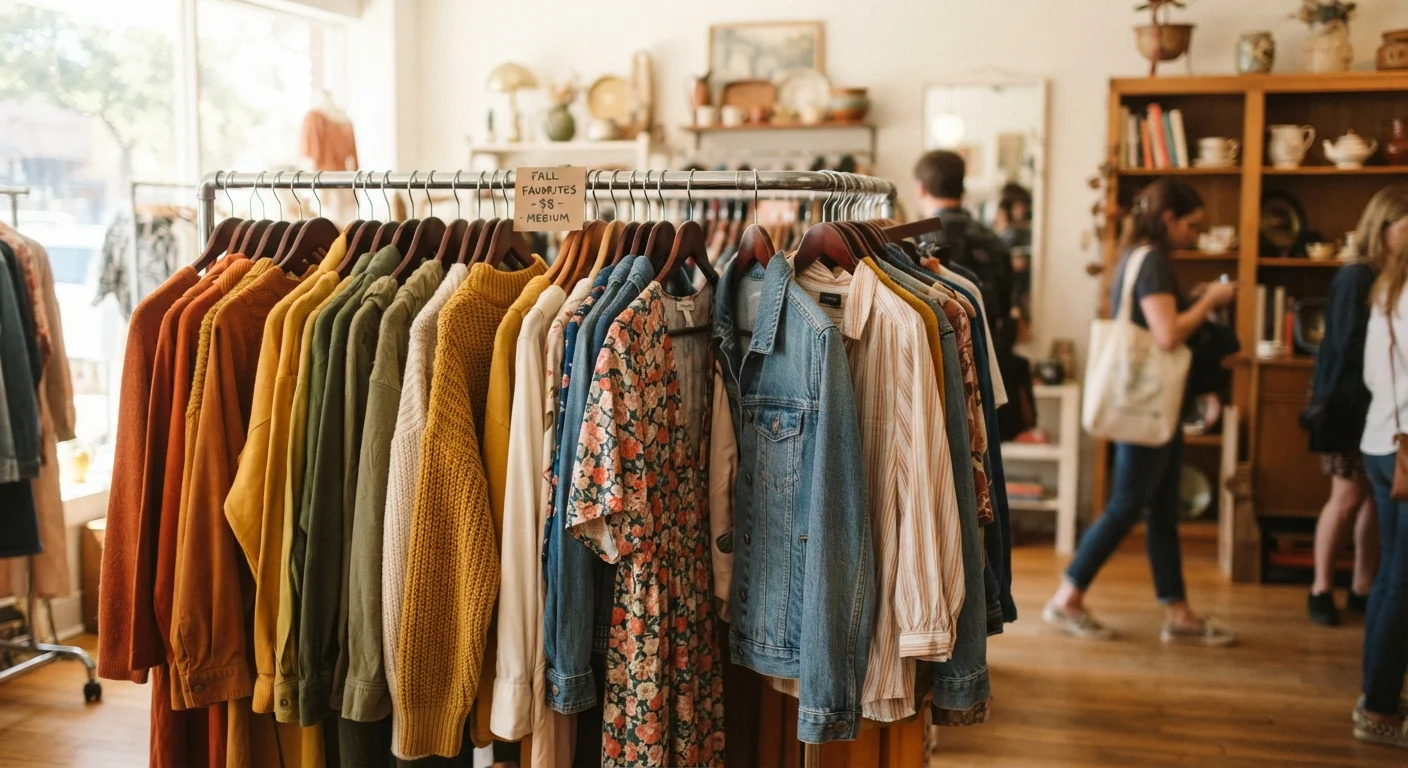
Walking into a thrift store without a plan is how well-intentioned shoppers end up with bags full of things they never wear. Unlike retail, secondhand shopping offers no curated merchandising, no consistent sizing, and no guarantee of condition. The upside — significantly lower prices and a genuinely wide variety of garments — only pays off when you shop with discipline and a trained eye.
Understanding what makes clothing worth buying, regardless of where it comes from, is the foundational skill. If you're newer to evaluating clothing quality in general, the framework in shopping with intention applies directly here: assess price, quality, and actual need before committing.
What you will need
The steps below walk you through exactly what to examine at the rack — and what red flags to walk away from.
What to Inspect and How to Do It
Measuring tape
Confirm actual garment dimensions when labels are missing or inconsistent with modern sizing.
Phone flashlight
Illuminate thin or dark fabrics to spot holes, thinning weave, or hidden stains.
Lint roller or fabric shaver
Post-purchase tool to remove pilling and surface lint before wearing a thrifted piece.
Define what you're actually looking for
Before walking into any thrift or resale store, identify the specific gap you're trying to fill. Buying without a target leads to impulse purchases that don't integrate into what you already own. A wardrobe audit beforehand helps you arrive with purpose — whether that's a neutral blazer, everyday denim, or a casual layer for transitional weather.
Write down two or three specific categories and the colors or fits that would work with existing pieces. This single step dramatically improves the quality of what you bring home.
Check the fabric content label first
The care label inside every garment tells you what the fabric is made of. Natural fibers — cotton, wool, linen, silk — tend to breathe better, age more gracefully, and respond well to washing over time. High percentages of polyester or acrylic are not automatically disqualifying, but pay closer attention to pilling and surface wear on synthetic items.
As a rule, a 100% cotton shirt or a wool-blend sweater at a thrift price represents far better value than its original retail cost. For more on how fabric composition affects longevity, see our guide on why price doesn't always predict durability.
Inspect construction quality and wear patterns
Turn the garment inside out and examine the seams. Well-constructed clothing has tight, even stitching with no loose threads or fraying at the seam allowance. Look for reinforced stress points at pockets, underarms, and waistbands — these are where poorly made clothing fails first.
On the outside, check collar edges, cuffs, and hemlines for fraying or discoloration. Run your hand over the fabric surface: heavy pilling signals significant previous wear and means the garment has likely reached the end of its useful life.
Test every zipper, button, and closure
Hardware failures are the most common reason secondhand clothing gets donated in the first place. Run every zipper through its full range — it should glide without resistance or skipping teeth. Check that all buttons are present and that buttonholes haven't stretched out. Test snaps and hooks by engaging and releasing them several times.
Minor zipper issues or a missing button are often easy fixes if you're comfortable with basic sewing. Factor that in honestly: if you won't repair it, don't buy it hoping you will.
Scan for stains under good light
Stains are the most visible dealbreaker in secondhand clothing. Use your phone's flashlight to check underarm areas, collars, cuffs, and front panels — all common sites for oil, deodorant, and food stains that previous owners may have missed or accepted. Tilt the fabric at an angle; this reveals set stains that are less visible head-on.
Yellowing on white or light fabrics, particularly at collars and underarms, is oxidized sweat and is difficult to remove fully at home. These items are generally worth passing on.
Try it on or measure it carefully
Secondhand sizing is inconsistent. Vintage garments especially run smaller than contemporary equivalents, and items from different decades follow entirely different sizing conventions. Always try pieces on when fitting rooms are available. If they're not, use your measuring tape to compare actual garment dimensions — chest width, shoulder span, and body length — against your own measurements.
Fit at the shoulders on structured pieces like blazers and button-downs is the hardest alteration to make. Everything else — length, waist, hem — is generally fixable. Prioritize shoulder fit above all.
Wash everything before wearing it
This is non-negotiable. All secondhand clothing — regardless of how clean it appears — should be washed according to its care label before it enters your wardrobe rotation. This removes surface bacteria, allergens, and residual detergents or fabric treatments from previous owners.
Dry-clean-only items that you can't launder at home should be aired thoroughly in a well-ventilated space or taken to a dry cleaner before first wear. Once cleaned, integrate your new pieces thoughtfully. Our guide to seasonal dressing on a budget offers practical ideas for making new-to-you pieces work across your existing wardrobe.
Visit Frequently, Buy Selectively
Thrift store inventory turns over constantly — sometimes daily. Regular short visits outperform infrequent marathon sessions because you're working with fresher stock and less decision fatigue. Set a realistic cadence, such as once every two weeks, and keep your mental shopping list current so you can move quickly when the right piece appears.
Don't Let Low Prices Override Judgment
The most common secondhand shopping mistake is buying something damaged or ill-fitting simply because it's cheap. A garment you don't wear — no matter what it cost — has zero value. Apply the same quality standards you would to any purchase. The real-value framework is a useful check: if the item doesn't meet your quality and fit criteria, the low price doesn't change the math.
Building Secondhand Finds Into a Real Wardrobe
Individual finds only matter if they work together. After washing and preparing your pieces, evaluate each one against your existing wardrobe rather than in isolation. A versatile secondhand piece should combine with at least three items you already own — if it doesn't, it's likely to sit unworn regardless of how good the price was.
For shoppers who tend to overbuy, the most common buyer mistakes worth avoiding include purchasing for hypothetical future outfits rather than present reality. Stick to what integrates, and you'll find that a small number of quality secondhand pieces makes a larger impact than a large quantity of marginal ones.
Over time, secondhand shopping becomes faster and more intuitive. You develop a sense of which racks yield results, which fabric weights hold up, and which cuts flatter your frame. That knowledge compounds — and so does the value you extract from every trip.
The content on this site is for informational purposes only and is not a substitute for professional advice. Always consult a qualified professional for guidance specific to your situation.