

Our Verdict
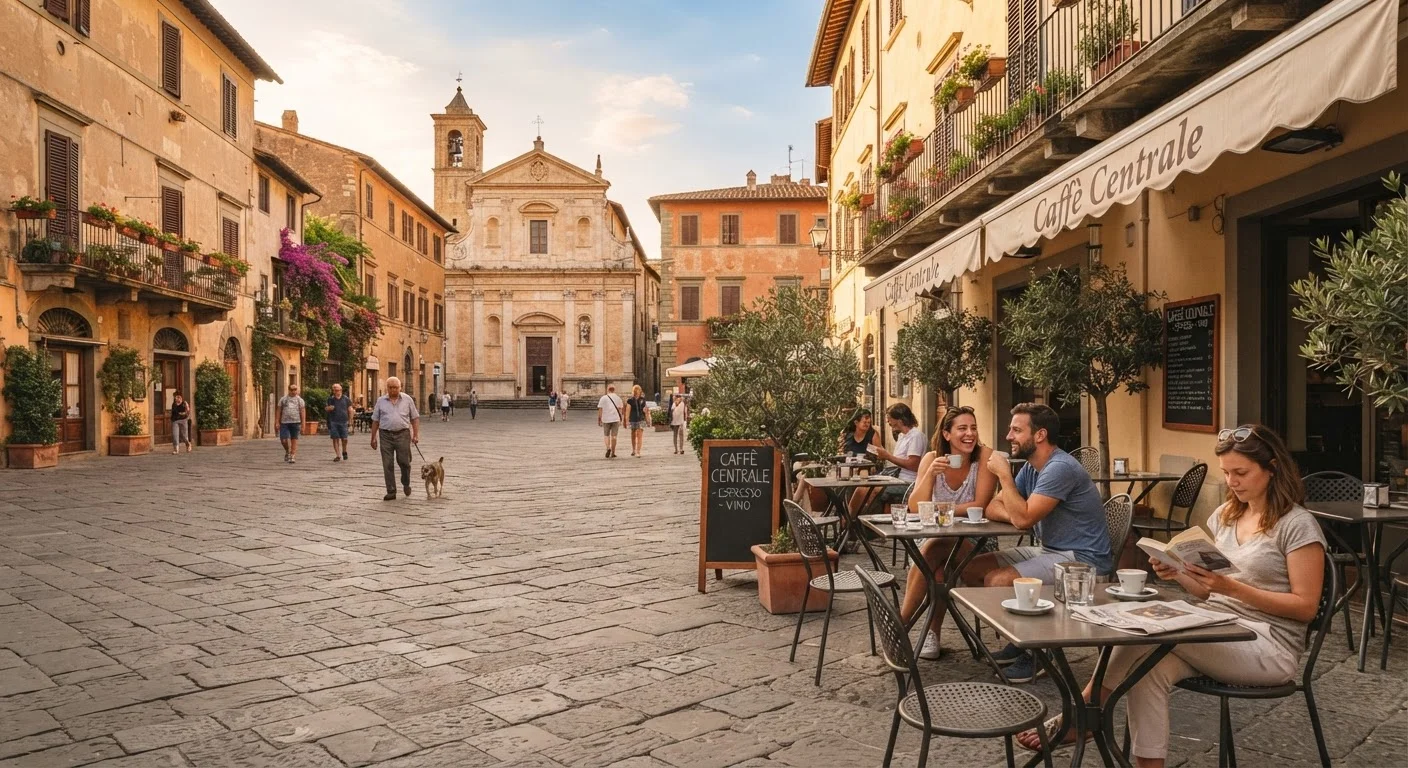
Shoulder season rewards flexible, curious travelers with a genuinely better on-the-ground experience at many of the world's most popular destinations. You trade the guaranteed-open everything of peak season for a quieter, more atmospheric visit — usually at a noticeably lower cost. It's not a perfect formula everywhere, but for most US travelers willing to do a little homework, it's a sweet spot worth targeting.
Shoulder season is ideal for travelers who value authentic atmosphere and manageable crowds over the certainty of peak-season infrastructure and full-service schedules.
What Shoulder Season Actually Means
"Shoulder season" refers to the transitional periods sandwiched between a destination's busiest tourist rush (peak season) and its quietest, slowest stretch (off-peak or low season). Think late September in Paris after the summer flood subsides, or early May in the American Southwest before the scorching summer heat rolls in.
It's not a fixed calendar — shoulder season is destination-specific and even neighborhood-specific. A beach town in the Carolinas might consider early June its shoulder window, while a ski town in Colorado calls late November its own. The key is understanding each place's particular rhythm. For a deeper look at building this kind of research into your planning process, see how to structure a well-planned trip.
Shoulder Season Isn't One-Size-Fits-All
The timing that counts as "shoulder season" shifts depending on the destination, and even different regions within a country can have separate peaks. A coastal destination and an inland city in the same country may have entirely different tourist calendars. Always research your specific destination rather than assuming a general rule applies. Official tourism boards and travel advisories are reliable starting points for understanding local seasonality.
The Real Advantages of Traveling Shoulder Season
The appeal goes beyond just "fewer crowds," though that alone can be transformative at places like Rome's Colosseum or Yellowstone's geysers.
Significantly fewer crowds at major attractions
Popular landmarks, museums, and viewpoints are far more enjoyable when you're not shoulder-to-shoulder with thousands of others. Many travelers report that shoulder season completely changes how they experience famous sites.
Accommodation rates often drop meaningfully
Hotels, resorts, and vacation rentals frequently lower their nightly rates outside peak demand windows. This can add up to hundreds of dollars in savings over a week-long trip, especially in high-demand cities.
Weather is often surprisingly pleasant
Shoulder season frequently hits a Goldilocks zone — warm enough to enjoy outdoor activities without the punishing heat of midsummer, or crisp and colorful without the harshness of deep winter.
More authentic local atmosphere
When a destination isn't in full tourist mode, you interact with it differently. Local restaurants, markets, and neighborhoods feel less like performances and more like real places where people actually live.
Easier restaurant reservations and shorter wait times
Securing a table at sought-after local spots becomes far less of a battle during shoulder months, and service quality often improves when staff aren't overwhelmed by peak-season volume.
20–40%
Typical hotel rate reduction in shoulder vs. peak season
Travel industry analyses consistently show accommodation prices falling in the range of 20–40% at many popular destinations outside their peak booking windows, though the exact figure varies by location and property type.
~30%
Reduction in visitor volume at major European sites in shoulder months
Tourism research across major European destinations suggests visitor numbers at top-tier sites drop substantially between October and early November compared to the July–August peak, creating a noticeably different visitor experience.
Accommodation rates often dip noticeably as hotels and vacation rentals compete harder for bookings. Flights can follow a similar pattern — though airfare is its own puzzle. Our guide on booking flights early vs. waiting for lower fares walks through the pricing dynamics worth understanding before you commit.
There's also a mood shift at destinations during shoulder periods. Restaurant staff have time to chat. Museum galleries feel contemplative rather than chaotic. That photo of the Eiffel Tower without 400 selfie sticks in frame? Shoulder season gives you a fighting chance.
The Honest Drawbacks You Should Plan Around
Shoulder season isn't a universal upgrade. Some trade-offs are real and worth factoring in before you book.
Some attractions operate on reduced hours
Seasonal museums, tours, boat excursions, and even some restaurants may cut back their schedules or close entirely during shoulder periods. Always verify operating hours for specific venues before traveling.
Weather can still be unpredictable
Shoulder season sits close to either summer heat or winter cold, meaning a late cold snap or early heat wave is entirely possible. Packing layers and checking forecasts closer to departure is essential.
Fewer direct flights or transport options
Airlines sometimes reduce frequency on popular routes during lower-demand periods, which can mean longer layovers or less scheduling flexibility when booking flights.
Some resort-style amenities may not be fully running
Pools, beach bars, water sports rentals, and seasonal entertainment at resort destinations often ramp up for peak and wind down afterward — so a shoulder stay might not deliver the full amenity lineup you'd expect.
To avoid getting caught off-guard by budget surprises — like a resort charging a "soft opening" premium — it's worth reading up on why travelers overspend and how to plan around it. A shoulder-season trip with poor budget planning can end up costing just as much as a peak visit.
Shoulder Season by Destination Type
A few broad patterns can help you start identifying shoulder windows for your target destination:
- European cities (Paris, Rome, Barcelona): Late April–May and September–October tend to be shoulder windows — post-spring-break and pre-summer, or post-summer and pre-holiday-season.
- Tropical beach destinations (Caribbean, Hawaii, Mexico's coasts): Late spring (after US spring break) and early fall (before major holidays) often offer a quieter, less expensive experience — though hurricane season overlaps with fall in some regions, so check weather patterns carefully.
- US national parks: Late May and September are widely considered shoulder months at parks like Zion, Glacier, and the Grand Canyon — weather is generally cooperative, but crowds haven't peaked.
- Asian destinations (Japan, Southeast Asia): Timing varies significantly by country and region. Japan's shoulder periods often fall between its famous cherry blossom rush and summer heat, or in early autumn before fall foliage season peaks.
Whatever destination is on your radar, cross-referencing your shoulder-season timing against common trip planning myths — like assuming spring always means mild weather everywhere — will help you set realistic expectations. For broader practical advice, the travel tips hub is a solid starting point.
The content on this site is for informational purposes only and is not a substitute for professional advice. Always consult a qualified professional for guidance specific to your situation.