

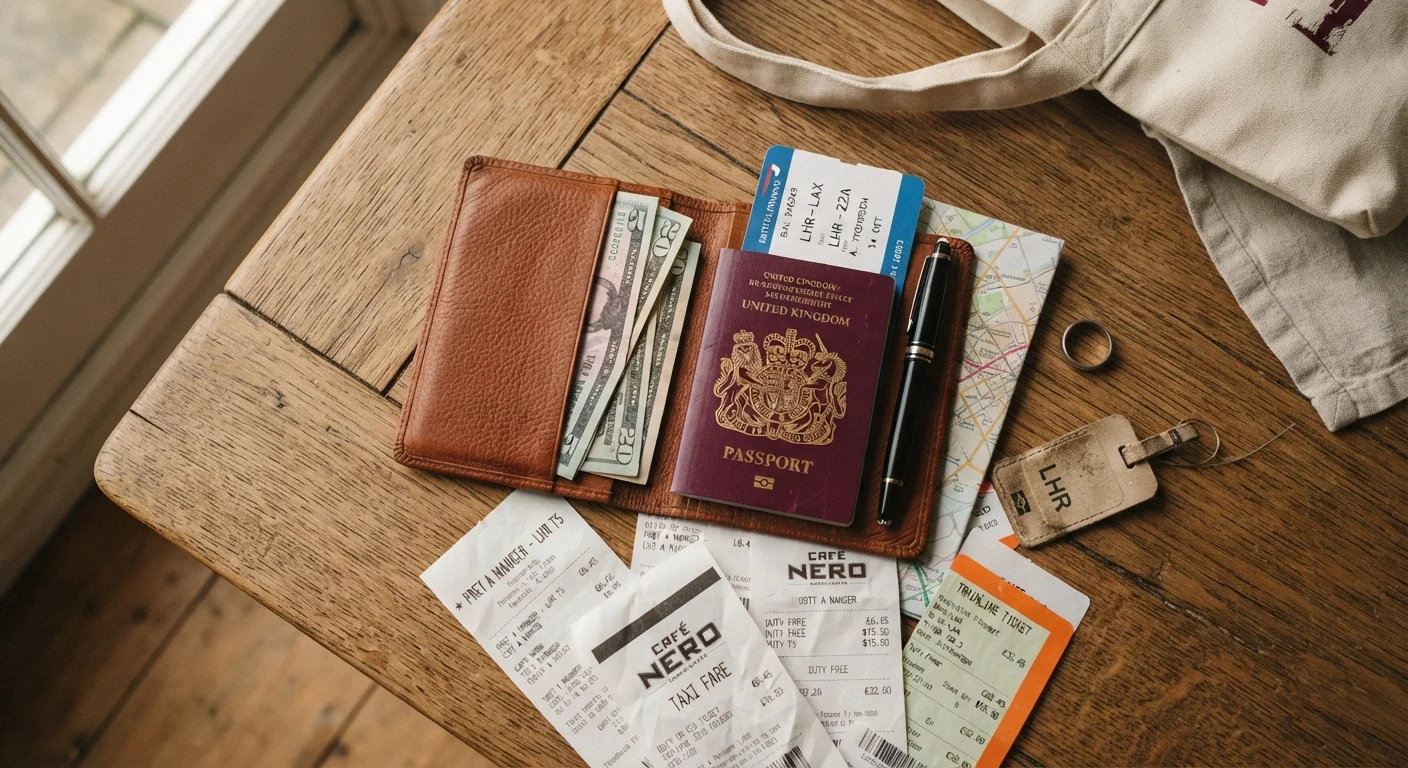
The Budget You Made vs. the Trip You Actually Paid For
You researched the flights, scored what felt like a reasonable hotel rate, and mapped out a daily spending plan. Then the bill arrived — and it was nothing like the number you had in your head. Sound familiar? You're not alone. Hidden and overlooked costs are one of the most consistent reasons travelers go over budget, and they're rarely the result of careless splurging.
The culprits tend to be structural: fees baked into the booking process, pricing that shifts based on demand, and costs that simply aren't visible at the moment you hit "confirm." Understanding where these charges come from is the first step toward planning around them. For a broader look at how travel planning decisions go sideways, see Trip Planning Myths That Cost Travelers Time and Money.
Below are the overlooked costs that inflate nearly every travel budget — and what to keep in mind when you're doing the math.
Resort and Destination Fees
Many hotels — especially in resort markets like Las Vegas, Hawaii, and Miami — charge a mandatory daily "resort fee" or "destination fee" that is not included in the displayed room rate. These fees can range from roughly $20 to over $50 per night and typically cover amenities like Wi-Fi, pool access, or a fitness center, whether or not you use them.
The fee often only appears at the final checkout step during booking, or even on check-out day at the front desk. Before confirming any hotel reservation, search the property's name alongside "resort fee" to find the actual nightly add-on, and factor that amount into your total accommodation cost.
Resort fees can quietly add hundreds of dollars to a hotel stay you thought you had priced out.
Baggage and Seat Selection Surcharges
Airfare has been unbundled aggressively over the past decade. The base ticket price on many carriers — particularly budget and ultra-low-cost airlines — does not include a carry-on bag, a checked bag, or even the ability to choose your seat without paying extra. These charges can add $30 to $80 or more per leg, per person.
On a round-trip flight for two people, that's potentially several hundred dollars on top of the headline fare. Always check the airline's fee schedule for your specific fare class before booking, and compare the true all-in cost across carriers rather than the advertised price alone. Key Terms Every Traveler Should Understand Before Booking to decode what's included in your fare class.
Baggage and seat fees can double the real cost of a discounted airline ticket.
Airport Transfers and Ground Transportation
Getting from the airport to your hotel is rarely free, and it's a cost many travelers forget to budget until they're standing at the taxi rank. Rideshare surge pricing at peak arrival times, flat-rate taxi fares, and private shuttle costs vary enormously by destination. In some cities, the airport is far from the center, making this a genuinely significant line item.
Research your specific airport's ground transportation options in advance. Public transit, where available, is often a fraction of the cost of a rideshare — but it may not be practical depending on your luggage or arrival time. Budget for both legs of the journey (arrival and departure) and account for potential surge pricing.
Airport transfers are consistently underestimated, especially at international or remote destinations.
Dynamic and Demand-Based Pricing
Tours, attractions, theme parks, and even some restaurants now use demand-based pricing, meaning the same experience can cost significantly more on a Saturday in peak season than on a Tuesday in the off-season. This is increasingly common at popular national parks, museums, and ticketed experiences that require advance reservations.
When estimating costs for activities, look up the actual ticket price for your specific travel dates rather than using a general figure you find in a travel blog. Prices shift seasonally and can be dramatically different from what a year-old article quotes. The Planning Travel Around Seasonal Considerations article explores how timing affects what you'll pay across the board.
The same tour or attraction can cost twice as much during peak season compared to the shoulder period.
Currency Conversion and Foreign Transaction Fees
Paying in a foreign currency introduces two potential costs most travelers underestimate: the exchange rate applied by your bank or card network, and any foreign transaction fee your card charges per purchase (commonly 1–3% of every transaction). ATM withdrawal fees — both from your home bank and the foreign ATM operator — can compound this further.
If you're traveling internationally, review your card's foreign transaction fee policy before departure. Some cards waive these fees entirely, which can represent meaningful savings over the course of a trip. When offered the option to pay in USD at a foreign terminal (a practice called dynamic currency conversion), local currency is typically the better choice, as the conversion rate offered by the terminal is often less favorable.
Foreign transaction fees and poor exchange rates are silent budget drains on every international trip.
Travel Insurance and Health Coverage Gaps
Many US health insurance plans provide limited or no coverage outside the country, and Medicare generally does not cover care abroad. Travel insurance — which can cover trip cancellation, emergency medical care, evacuation, and lost luggage — is a cost that travelers often skip to save money upfront, only to face far larger expenses if something goes wrong.
This isn't a recommendation to purchase any specific policy; it's a prompt to account for coverage in your budget and to understand what your existing plans do and don't cover before you leave. For decisions about your personal coverage needs, consult a licensed insurance professional.
Skipping travel insurance to save upfront can result in far greater out-of-pocket costs if plans change.
Tipping Expectations and Service Charges
Tipping norms vary significantly by country and by context. In the United States, tipping 18–20% at restaurants, $1–2 per drink at bars, and a few dollars per night for hotel housekeeping are general norms — but many travelers don't build these amounts into their daily spending estimate. Internationally, tipping customs differ widely: in some countries it's expected, in others it's unusual or even considered rude.
Additionally, some restaurants and hotels automatically add a service charge (often 18–20%) to the bill, which is easy to miss and can lead to unintentional double-tipping. Research tipping customs for your specific destination before you go, and include a realistic daily tipping allowance in your budget calculations.
Tipping and automatic service charges are overlooked daily expenses that add up across a multi-day trip.
Plan for What You Can't Always See Coming
No travel budget is truly airtight, but the ones that hold up tend to share a common trait: they were built with honest assumptions. That means accounting for fees before booking, verifying what's included rather than assumed, and leaving room for the unpredictable. A 15–20% buffer isn't pessimism — it's experience talking.
Build in a Buffer Before You Book
Once you've estimated your total trip cost, add 15–20% on top as a contingency buffer. This single habit absorbs most surprise fees, price differences, and spontaneous decisions without derailing your overall budget. Think of it less as overspending and more as honest planning — the real cost of travel is almost always higher than the sticker price suggests.
If you're ready to put these lessons into practice, Building a Travel Budget That Actually Holds walks through how to set realistic spending categories from the ground up. And for a deeper dive into the money psychology behind overspending on trips, Why Travelers Overspend — and How to Plan Around It is worth a read before your next booking session.
The content on this site is for informational purposes only and is not a substitute for professional advice. Always consult a qualified professional for guidance specific to your situation.