

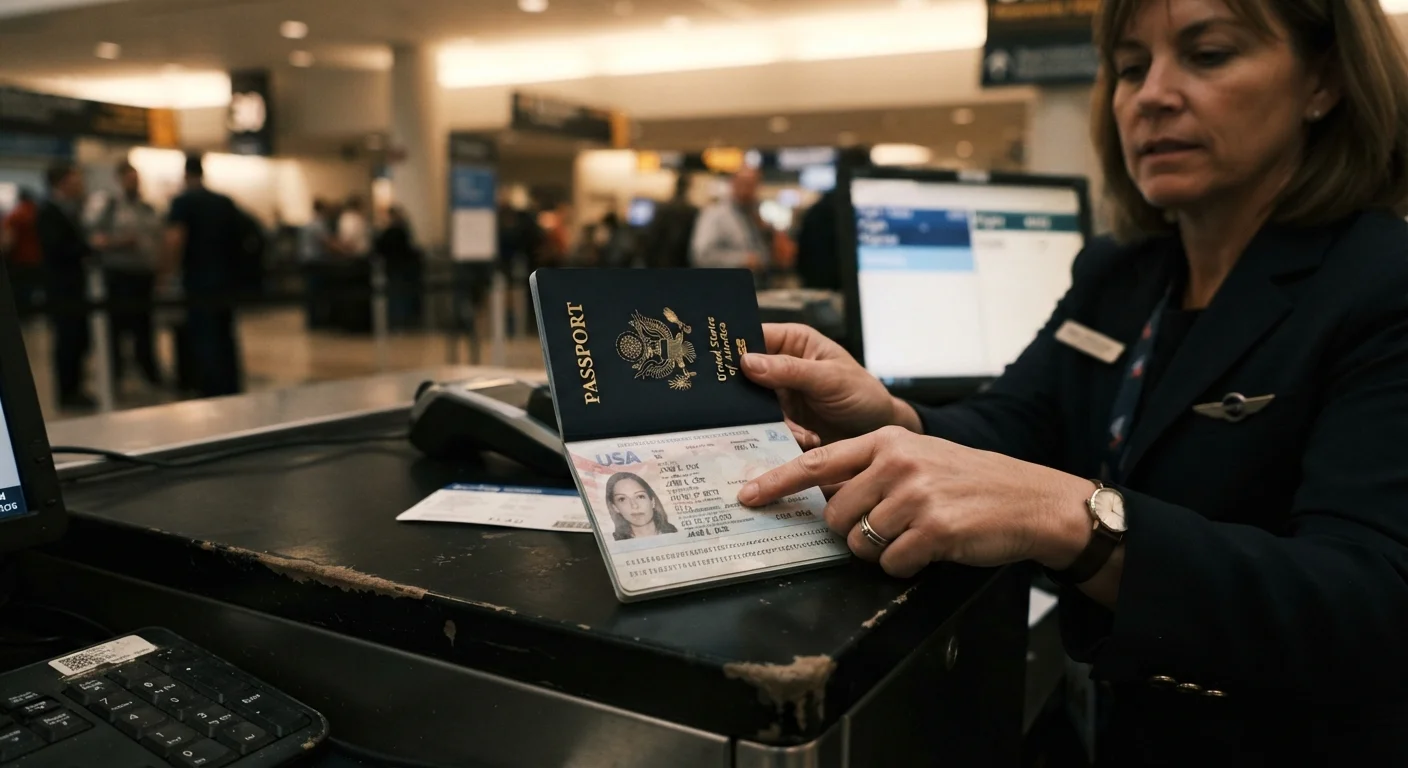
The 'Valid Passport' Trap Millions of Travelers Fall Into
You glance at your passport, see it doesn't expire until next year, and figure you're good to go. Perfectly logical — and potentially very wrong. A passport that's technically valid by US standards can still get you turned away at a foreign border, denied boarding by your airline, or stuck in a transit hub with no options. The rules governing entry aren't set by the US government; they're set by every individual country you visit, and they don't always match what's stamped inside your little blue book.
Understanding these rules isn't just for frequent flyers. It's essential trip-planning hygiene for anyone heading abroad. Our international travel pre-departure checklist walks through the full preparation process — but passport validity deserves its own deep dive, because the mistakes here are surprisingly easy to make and extraordinarily hard to fix once you're at the airport.
Assuming 'valid through my travel dates' is all that matters.
Why it happens: Most people think of passport validity the same way they think of an ID — if it hasn't expired, it works. But many countries, including popular destinations in Europe, Asia, Africa, and the Caribbean, require that your passport remain valid for three to six months beyond your planned departure date.
Running out of blank visa pages mid-trip.
Why it happens: Entry stamps, visas, and border notations eat up pages faster than most travelers expect — especially on multi-country trips. Some countries require a full blank page for their visa stamp and will refuse entry if none is available.
Not checking visa requirements and assuming entry is automatic.
Why it happens: Americans enjoy visa-free or visa-on-arrival access to many countries, which creates a false sense that a passport alone always opens doors. In reality, dozens of countries require advance visas, and some have introduced electronic travel authorizations — like the EU's ETIAS system — that must be obtained before travel.
Traveling with a name on your passport that doesn't match your ticket.
Why it happens: After a legal name change — through marriage, divorce, or court order — travelers sometimes book flights under their new name before updating their passport, or vice versa. Even minor discrepancies can trigger additional screening or denial of boarding.
Ignoring prior travel stamps that can complicate entry.
Why it happens: Some countries deny entry to travelers whose passports contain stamps or visas from specific other nations. Travelers aren't always aware that their travel history — visible inside their passport — can be disqualifying at certain borders.
What to Do Before You Book — Not the Night Before You Fly
The single most effective habit you can build is checking entry requirements before you purchase flights, not after. Use the US Department of State's travel information pages and the destination country's official embassy or consulate website as your primary sources. Third-party travel sites are helpful for inspiration, but they are not authoritative on visa or entry rules — and they can lag behind policy changes.
6 months
Passport validity required beyond entry date
Many countries across Europe, Asia, and Africa mandate at least six months of remaining passport validity — a rule that catches countless US travelers off guard each year.
1 in 5
International travelers unaware of the six-month rule
Travel industry surveys have consistently found a significant share of travelers are unaware their 'valid' passport may not meet destination entry requirements.
If your passport is coming up short on validity or blank pages, the State Department's passport renewal service is your path forward — though processing times can stretch weeks or months during peak periods, so plan well ahead. Expedited options exist but are not guaranteed. For a structured overview of everything to verify before departure, see our pre-travel verification checklist — it's designed to catch exactly these kinds of easy-to-miss details.
Airlines Enforce Entry Rules Too
Your airline is responsible for ensuring you have valid travel documents before you board — and they can deny you boarding if you don't meet the destination's requirements. This means you could lose your fare and be turned away before you even reach the border. Don't wait for a gate agent to catch a problem; verify requirements yourself well in advance.
This article is for general informational purposes only. Entry requirements, visa rules, and passport policies change frequently. Always verify current requirements directly with the destination country's official embassy or consulate and with US government travel resources before making any travel arrangements.
The content on this site is for informational purposes only and is not a substitute for professional advice. Always consult a qualified professional for guidance specific to your situation.