

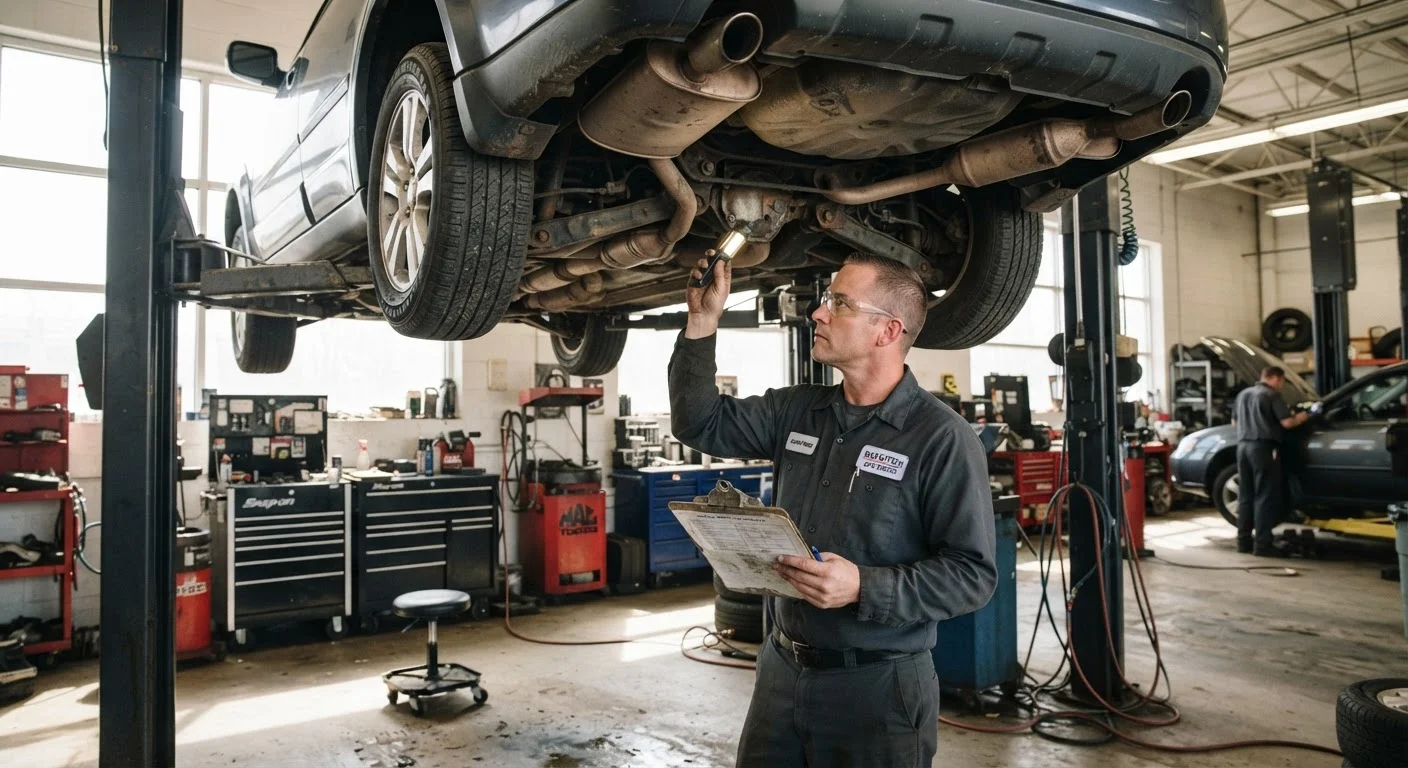
Why a Pre-Purchase Inspection Matters
Buying a used car carries real financial risk. Even a vehicle that looks clean and drives smoothly on a test drive can conceal frame damage, worn-out components, or deferred maintenance that will cost you hundreds - or thousands - down the road. A pre-purchase inspection (PPI) is an independent evaluation performed by a qualified mechanic who has no financial stake in whether the sale goes through. That independence is the entire point.
A PPI is not the same as the inspection a dealership runs before putting a car on its lot. Dealers have an incentive to move inventory; an independent mechanic's only job is to give you an honest assessment. Think of it as hiring a professional to advocate for your wallet before you commit.
A PPI also complements - but doesn't replace - a vehicle history report. The history report tells you what happened to the car on paper; the mechanic tells you what those events look like in metal and rubber today. See our guide to reading a vehicle history report to understand both tools together.
PPI Pairs Well With Other Due Diligence
A pre-purchase inspection is most powerful when combined with thorough research before you ever see the car in person. Reviewing the vehicle history report and evaluating the seller's credibility are equally important steps. Our pre-buy checklist for major purchases covers the broader decision framework that applies to any significant spend.
What a PPI Typically Covers
A thorough pre-purchase inspection generally includes the following areas:
- Engine and transmission: Fluid condition and levels, leaks, unusual wear, and a check for diagnostic trouble codes using an OBD-II scanner.
- Brakes and suspension: Pad and rotor thickness, shock absorber condition, steering components, and any signs of uneven wear that could indicate alignment or accident history.
- Undercarriage: Frame integrity, signs of rust or corrosion, and evidence of prior collision repair.
- Tires: Tread depth, uneven wear patterns, and sidewall condition.
- Electrical systems: Battery health, lights, power windows, and any warning lights on the dashboard.
- HVAC and accessories: Air conditioning and heat function, and basic comfort features.
- Body and paint: Panel gaps, paint thickness inconsistencies (which can signal bodywork), and glass condition.
Most mechanics will provide a written report or go over findings with you verbally. Ask specifically for a written summary - it gives you negotiating leverage and a record you can refer back to. For context on ongoing ownership costs, the car maintenance hub is a useful reference once you take ownership.
Dealer Inspections Are Not a Substitute
A certified pre-owned (CPO) inspection or a dealer's own multi-point check is performed in-house and should not be treated as an independent evaluation. These inspections may be thorough, but the mechanic conducting them works for the seller. An independent PPI from a shop you choose is the only truly unbiased assessment you'll get.
How to Arrange a Pre-Purchase Inspection
What you will need
Follow these steps to set up a PPI before committing to a used-car purchase. This process applies whether you're buying from a private seller, an independent dealer, or a franchise dealership.
Run a vehicle history report first
Before scheduling an inspection, pull a vehicle history report using the car's VIN. This surfaces reported accidents, title issues, odometer discrepancies, and ownership history. A PPI is most useful when the mechanic knows what events to look for - bring the report to the appointment.
Find an independent mechanic
Choose a shop that has no connection to the seller. Independent repair shops and AAA-approved facilities are common options. Some shops specialize specifically in pre-purchase inspections. If you have a trusted mechanic from prior experience, ask whether they offer this service.
Get the seller's agreement
Ask the seller's permission to have the car inspected at a location of your choosing. For private sellers, this usually means driving the car to the shop together or having the seller drive it. For dealerships, ask if they'll allow the vehicle off-lot; many will, especially if a sale is close. A seller who flatly refuses is a serious warning sign worth noting.
Attend the inspection in person
If at all possible, be present during the inspection. This lets the mechanic walk you through any concerns directly rather than summarizing them later. You'll gain a clearer understanding of which issues are minor wear-and-tear versus genuine problems that should affect your offer - or your decision to walk away.
Review the findings and negotiate accordingly
Once you have the mechanic's written report, review it carefully. Separate issues into three categories: items that are dealbreakers, items that justify a lower purchase price, and items that are routine for a vehicle of this age and mileage. Use repair cost estimates from the mechanic to frame any price renegotiation with the seller.
This article is for general informational purposes only. Costs and inspection scope may vary by region and shop. Always consult a qualified mechanic for guidance specific to the vehicle you are considering.
The content on this site is for informational purposes only and is not a substitute for professional advice. Always consult a qualified professional for guidance specific to your situation.