

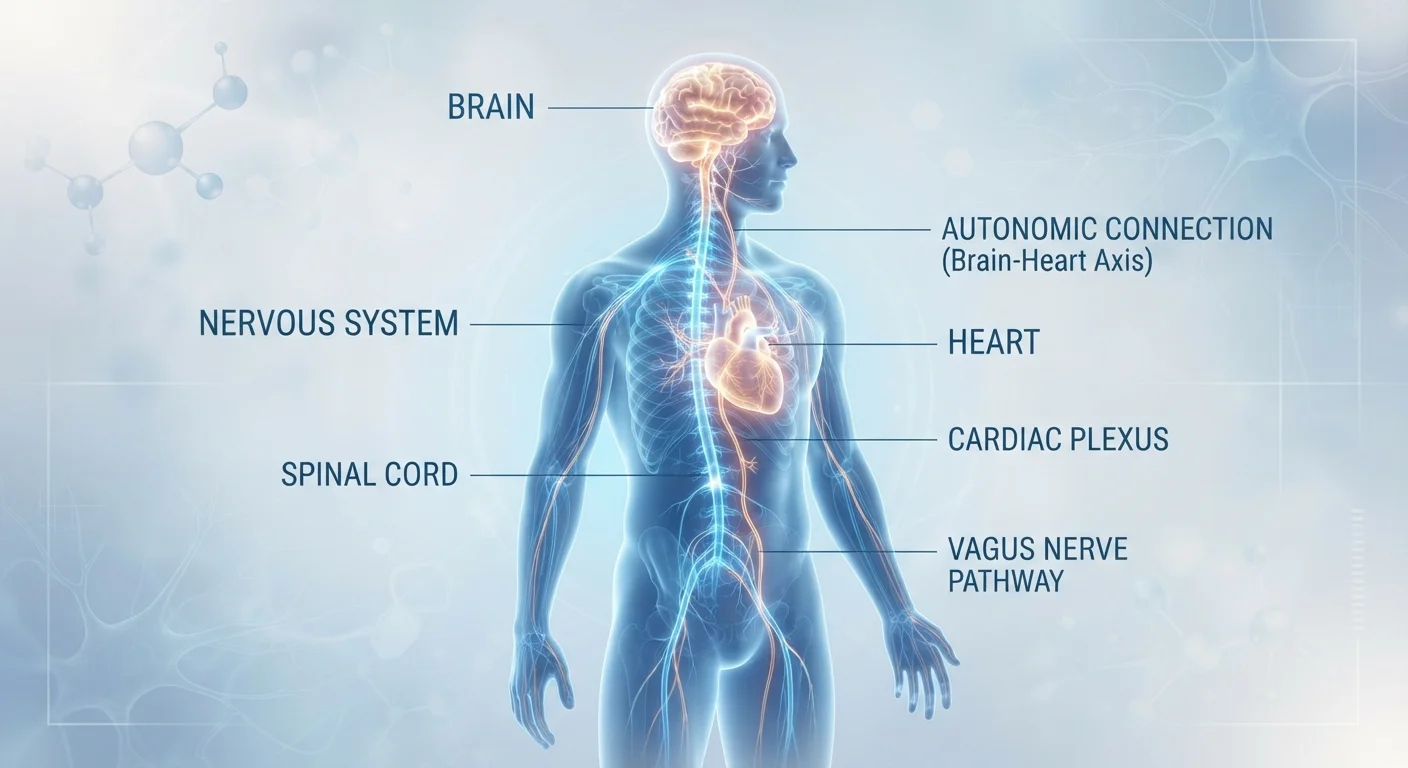
How the Stress Response Actually Works
When your brain perceives a threat - whether it's a looming deadline or a near-miss while driving - two interconnected systems activate almost instantly. The sympathetic nervous system triggers a surge of adrenaline (epinephrine), causing your heart rate to increase, your breathing to quicken, and your muscles to tense. Simultaneously, the hypothalamic-pituitary-adrenal (HPA) axis releases cortisol, the body's primary stress hormone.
These changes are purposeful: blood is redirected to muscles, digestion temporarily slows, and mental focus sharpens. This is the classic fight-or-flight response, and it evolved to handle short-term physical threats. In healthy stress situations, once the challenge passes, the parasympathetic nervous system - sometimes called the 'rest-and-digest' system - brings the body back to baseline.
Acute vs. Chronic Stress: A Key Distinction
Not all stress is equivalent in its health impact. Acute stress - lasting minutes to hours - is a normal and even useful part of life. Chronic stress, defined by researchers as stress persisting over weeks or months without adequate recovery, is what drives most of the documented health consequences. This distinction matters when evaluating what research actually shows.
The problem arises when stressors are persistent rather than temporary, keeping the HPA axis and sympathetic nervous system in a near-constant state of activation.
What Chronic Stress Does to Physical Health
Research consistently distinguishes between acute stress (short-term, recoverable) and chronic stress (prolonged, unrelenting). The body handles acute stress well. Chronic stress is a different matter.
Sustained elevated cortisol has been linked in published research to:
- Cardiovascular effects: Increased blood pressure and inflammation, which are established risk factors for heart disease.
- Immune suppression: Chronic stress can dampen immune cell activity, making the body less effective at fighting infection.
- Digestive disruption: The gut-brain connection is well-documented; stress can worsen symptoms of irritable bowel syndrome and other gastrointestinal conditions.
- Sleep impairment: Elevated cortisol interferes with normal sleep cycles, creating a feedback loop where poor sleep further elevates stress hormones.
- Cognitive effects: Prolonged exposure to cortisol has been associated with changes in memory and concentration in both human and animal studies.
77%
Adults reporting physical stress symptoms
According to the American Psychological Association's Stress in America survey, a large majority of U.S. adults report experiencing physical symptoms they attribute to stress.
2-3×
Increased cardiovascular risk with chronic stress
Research published in epidemiological literature suggests that individuals with high chronic stress exposure face meaningfully elevated risk of cardiovascular events compared to low-stress counterparts.
50%
Of immune cell activity potentially reduced
Laboratory studies indicate that sustained cortisol elevation can significantly suppress natural killer cell activity, a key component of immune defense, though individual variation is substantial.
What the Research Supports for Managing Stress
A large body of evidence points to several practical, accessible strategies that genuinely help regulate the stress response - not just improve mood temporarily.
Physical activity is among the most robustly supported interventions. Exercise reduces cortisol and adrenaline levels and stimulates the release of endorphins. Even moderate-intensity movement, practiced consistently, shows measurable effects in peer-reviewed trials.
Mindfulness and breathing practices activate the parasympathetic nervous system, effectively putting the brakes on the stress response. Meditation and deep breathing work differently, and understanding which fits your situation can make these tools more effective.
Social support also has a measurable biological effect. Studies show that positive social interaction can lower cortisol and blood pressure. Research on loneliness and belonging reveals just how significant human connection is to overall health.
For persistent or clinical-level stress and anxiety, structured therapeutic approaches show strong evidence. CBT and mindfulness-based therapies each address stress through different mechanisms and are worth understanding if you're considering professional support.
Build a Recovery Habit, Not Just a Coping Habit
Rather than waiting until stress peaks to manage it, research suggests that consistent daily practices - like a short walk, brief breathing exercises, or regular sleep timing - help keep the HPA axis better regulated overall. Small, repeatable actions compound over time in ways that reactive coping alone cannot achieve.
This article is for general informational purposes only and does not constitute medical advice. If stress is significantly affecting your health or daily functioning, please consult a qualified healthcare professional.
Frequently Asked Questions
Chronic stress keeps cortisol levels persistently elevated, which research links to increased inflammation, disrupted sleep, impaired immune function, and higher cardiovascular risk over time. It can also affect digestion, memory, and mood regulation. The effects accumulate gradually, which is why chronic stress is more damaging than short-term stress.
No. Short-term acute stress - like the alertness before a presentation - can sharpen focus and motivation. Researchers call this 'eustress.' The health concerns emerge with chronic, unrelenting stress that the body never gets a chance to recover from.
Stress doesn't directly 'cause' most diseases, but sustained stress is a well-established risk factor for conditions including cardiovascular disease, digestive problems, and weakened immune response. It can also worsen existing health conditions. The relationship is real but complex and varies by individual.
Evidence supports regular physical activity, consistent sleep, mindfulness-based practices, and social connection as effective stress-reduction strategies. Cognitive behavioral approaches also have strong research backing. No single method works for everyone - a combination is typically most effective.
If stress is significantly affecting your sleep, relationships, work, or physical health - or if you're experiencing symptoms like chest pain, prolonged anxiety, or hopelessness - consulting a healthcare professional is important. These symptoms deserve evaluation, not just lifestyle adjustments.
The content on this site is for informational purposes only and is not a substitute for professional advice. Always consult a qualified professional for guidance specific to your situation.