

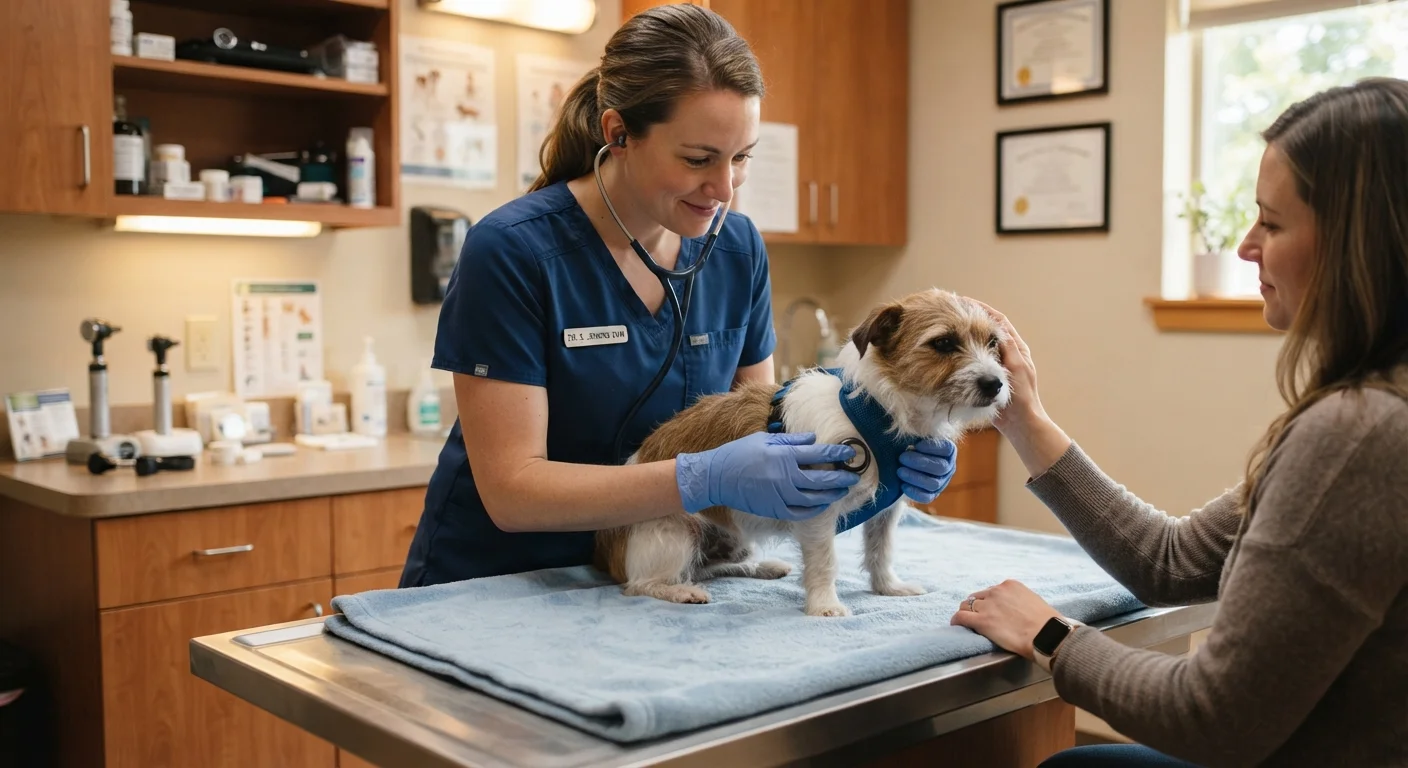
Why the First Vet Visit Matters More Than Most Owners Realize
Bringing a new pet home is exciting — and often, a vet appointment feels like an item to check off rather than a foundational step. But that first visit does something no amount of online research can replicate: it establishes a documented health baseline for your specific animal.
Vets use this baseline to track changes over time, catch early warning signs of disease, and tailor preventive care to your pet's age, breed, and lifestyle. Many conditions — parasites, heart murmurs, early dental disease — are easier and less costly to manage when identified early. It's also the moment to begin building a relationship with a clinic you trust.
If you're thinking ahead about the financial side of pet ownership, it's worth understanding how veterinary costs are structured before unexpected bills arrive. Our plain-language guide to pet insurance explains what coverage typically looks like and what to weigh when deciding whether a policy makes sense for your situation.
What you will need
What to Bring and How to Prepare
Preparation makes a real difference in how productive the appointment is — for both you and your vet. Use the checklist below and gather everything the night before so the morning of the visit is calm.
Secure pet carrier or leash
Safely transports your pet to and from the clinic and keeps them calm in the waiting area.
Health and vaccination records
Gives the vet a baseline of prior care, vaccines received, and any known medical history.
Fresh stool sample (in a sealed container)
Allows the vet to screen for intestinal parasites without scheduling a separate visit.
Written list of questions
Helps you remember everything you want to ask during a time-limited appointment.
Current medications or supplements
Lets the vet review everything your pet is taking to check for interactions or dosing concerns.
Reduce Carrier Anxiety Before the Trip
Leave the carrier out at home several days before the visit so your pet can explore it without pressure. For cats especially, placing a worn t-shirt inside can help make the space feel familiar and safe. Consult your vet about anxiety-reduction strategies if your pet is particularly stressed — they may suggest specific approaches tailored to your animal.
If your new pet is showing any signs of anxiety around travel or new environments, mention this when you call to book. Some clinics offer low-stress handling protocols or can advise you on preparation strategies ahead of time. For broader context on recognizing and managing pet anxiety, see our article on anxiety in dogs and cats.
Step-by-Step: How to Navigate the First Visit
This Is General Information, Not Veterinary Advice
The guidance in this article is educational and intended to help you prepare for a veterinary appointment — it is not a substitute for professional veterinary care. Always consult a licensed veterinarian for any questions specific to your pet's health, symptoms, or treatment.
Schedule the appointment promptly
Book the first wellness visit within five to seven days of bringing your pet home. This gives the vet an early look at your pet's baseline health and catches any conditions — such as parasites, respiratory infections, or congenital issues — that may not be immediately obvious to a new owner. Many shelters and breeders require a vet visit within a specified timeframe as part of their adoption or purchase agreement.
Gather all health documentation
Collect every piece of health paperwork that came with your pet: vaccination certificates, deworming records, microchip registration, and any notes from a shelter or breeder. If records are incomplete or missing — common with rescues — note that too. The vet will use whatever history is available to build a care plan and determine which vaccines or tests are still needed.
Collect a stool sample before you go
Most veterinarians request a fresh fecal sample to screen for common intestinal parasites like roundworms, hookworms, and giardia — all of which are prevalent in new pets regardless of source. Collect a small amount in a clean, sealed container or a zip-lock bag within 24 hours of the appointment and refrigerate it until you leave.
Prepare your pet for transport
Use a secure, appropriately sized carrier for cats, small dogs, and small animals. Larger dogs should be leashed with a properly fitted collar or harness. Line carriers with an absorbent pad in case of accidents. Keep the car ride calm — avoid loud music and abrupt stops where possible.
Know what to expect during the exam
A first wellness visit typically includes a head-to-tail physical examination: the vet will check eyes, ears, mouth, coat condition, lymph nodes, abdomen, and heart and lung sounds. They'll assess body weight and condition, review or initiate a vaccine schedule, and discuss parasite prevention. Depending on age and species, bloodwork or additional screening may be recommended.
The appointment is also your opportunity to ask about nutrition, spay/neuter timing, behavior concerns, and what to watch for as your pet settles in. For ongoing care context, see our overview of annual wellness visits.
Discuss a long-term wellness plan
Before you leave, ask your vet about a recommended schedule for future checkups, booster vaccines, dental care, and any breed- or species-specific concerns. Young pets need more frequent visits in their first year; adult animals typically transition to annual exams. Understanding this arc early helps you plan your time and budget. For perspective on how care evolves over a pet's life, our article on how senior pets' health needs shift is a useful long-term reference.
Don't Delay If Your Pet Seems Unwell
If your new pet shows signs of illness — lethargy, vomiting, difficulty breathing, or not eating — don't wait for a scheduled wellness visit. Contact a veterinarian or an emergency animal clinic right away. See our pet emergency preparedness guide for contacts and supplies to have on hand.
After the Visit: Next Steps and Ongoing Care
Once you're home, review any discharge notes or care instructions your vet provided. If vaccines were given, watch for mild side effects — slight lethargy or soreness at the injection site is normal for a day or two. Contact your vet if symptoms seem severe or persist beyond 48 hours.
File all paperwork from the visit in a dedicated folder (digital or physical) alongside the records you brought in. Going forward, set calendar reminders for any follow-up appointments, booster vaccines, or flea, tick, and heartworm prevention refills your vet recommended.
If you have or plan to add another animal to your household, early vet clearance for a new pet also matters for resident animals. Our piece on introducing a second pet covers the planning steps owners most commonly overlook.
This article provides general educational information about pet wellness visits and is not a substitute for professional veterinary advice. Always consult a licensed veterinarian about questions specific to your pet's health, care needs, or symptoms.
The content on this site is for informational purposes only and is not a substitute for professional advice. Always consult a qualified professional for guidance specific to your situation.