

What an Emergency Fund Actually Is
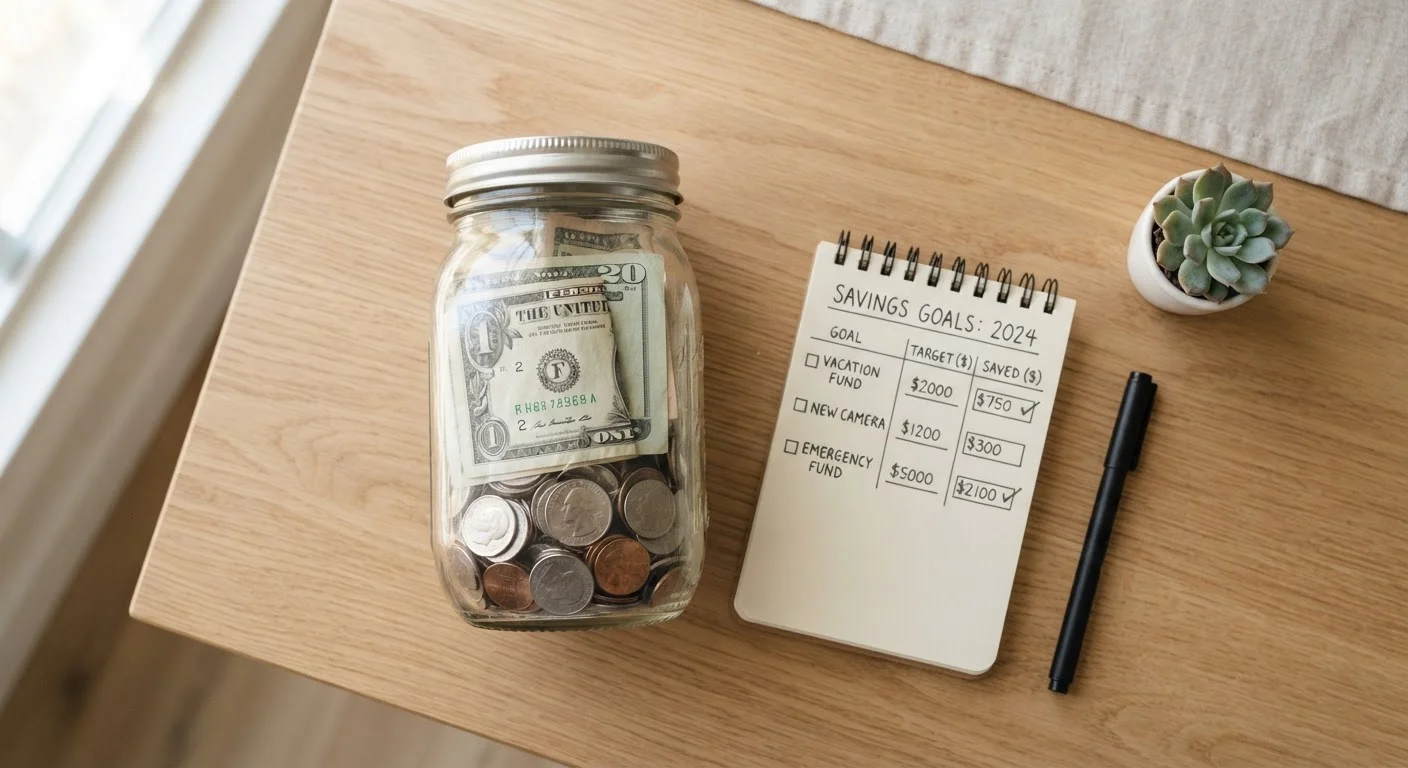
An emergency fund is money you deliberately set aside and do not touch unless something genuinely unexpected disrupts your financial stability. It is not a vacation fund, a home-improvement reserve, or a general savings catch-all. Its sole job is to stand between you and a financial crisis.
Understanding the difference between an emergency fund and similar tools is worth a moment. A sinking fund is built for predictable, planned expenses — like annual insurance premiums or a known home repair. An emergency fund, by contrast, is for costs you cannot anticipate. If you're not sure where this concept fits alongside other core budgeting vocabulary, a quick review of foundational terms is a solid starting point.
The psychological value of an emergency fund is real: research on financial stress consistently links having a liquid savings buffer to lower anxiety and better decision-making under pressure — both important factors in long-term financial health.
How Much to Save: Sizing Your Fund for Your Life
The most widely cited benchmark is three to six months of essential living expenses — meaning the costs you must cover to keep your household running: housing, utilities, food, transportation, insurance, and minimum debt payments. This is not three to six months of your total take-home pay.
~57%
Americans unable to cover a $1,000 emergency from savings
According to a Bankrate survey, more than half of U.S. adults would need to borrow or cut spending to handle a $1,000 unexpected expense.
3–6 months
Recommended essential expenses to keep in reserve
This range is the most broadly cited benchmark from established personal finance frameworks and consumer financial guidance organizations.
$500–$1,000
Recommended starter emergency fund target
Many financial educators suggest this as a realistic first milestone before aggressively tackling other financial goals.
That range exists because individual risk profiles vary. Consider saving toward the higher end if any of the following apply to you:
- You are self-employed or work in a volatile industry
- You have dependents relying on your income
- You have a single household income
- You carry significant debt or have ongoing medical needs
If those conditions don't apply, three months may be a reasonable starting goal. The most important rule: start somewhere. A fund of $500 to $1,000 meaningfully reduces the odds of a small problem becoming a large debt. For practical strategies on building that initial cushion, savings principles grounded in behavior research can help you make progress even on a constrained income.
Where to Keep Your Emergency Fund
The right home for an emergency fund balances two priorities: accessibility and separation. You need to reach the money quickly in a crisis, but it should not be so close at hand that it tempts everyday spending.
Keep It Separate, Keep It Safe
Open your emergency fund at a different bank than your primary checking account. The minor inconvenience of a transfer — typically one to three business days — is enough to discourage impulse withdrawals. Look for accounts that are FDIC-insured and carry no monthly maintenance fees that would erode your balance over time.
A high-yield savings account (HYSA) at an FDIC-insured institution is a commonly recommended option. These accounts typically offer meaningfully higher annual percentage yields than standard savings accounts, so your fund grows passively while it waits. For a deeper look at how these account types compare, see how high-yield and traditional savings accounts differ.
A few account types to avoid for emergency savings:
- Certificates of deposit (CDs): Funds are locked for a fixed term; early withdrawal typically triggers a penalty.
- Brokerage or investment accounts: Market value fluctuates, and a downturn could reduce your fund precisely when you need it most.
- Your primary checking account: Too easy to spend inadvertently; no interest earned.
Keeping the fund at a different bank than your everyday checking adds a small friction layer that many savers find helpful — just enough pause to confirm it's a true emergency before transferring funds.
Building Your Fund While Managing Debt
One of the most common questions in personal finance is whether to pay off debt or save first. The straightforward answer: do both, in proportion. Carrying zero savings while aggressively paying debt leaves you one unexpected expense away from adding new debt — often at a higher interest rate than the debt you were trying to eliminate.
A practical approach many financial educators recommend: build a starter emergency fund first (the $500–$1,000 range), then split additional monthly dollars between debt repayment and growing your emergency fund to the three-to-six-month target. Once the emergency fund is fully funded, you can redirect that portion entirely toward debt.
This same logic applies beyond personal finance emergencies. If you have pets, for example, an unexpected veterinary bill can be just as disruptive as a car repair — preparing for pet emergencies in advance is a useful parallel discipline. The underlying principle is the same: anticipate the unpredictable before it arrives.
For broader guidance on managing money day to day, the Everyday Money Tips hub offers simple, actionable habits that support long-term financial stability.
This article is for general informational and educational purposes only and does not constitute personalized financial advice. Consult a qualified financial professional for guidance tailored to your individual circumstances.
Frequently Asked Questions
Most financial guidance suggests three to six months of essential living expenses. Factors like job security, household size, and whether you have dependents may push that target higher. Start with a modest goal of $500–$1,000 and build from there.
A high-yield savings account at an FDIC-insured bank is a widely recommended option — it keeps money accessible while earning more interest than a standard savings account. Avoid tying emergency funds to investments or accounts with withdrawal penalties.
Yes, and many financial educators recommend doing both at once. A small starter fund prevents new debt from forming when an unexpected expense hits. Once you have a basic buffer, you can accelerate debt repayment while continuing to grow savings.
Genuine emergencies include job loss, unexpected medical costs, urgent home or car repairs, and unavoidable travel for a family crisis. Planned expenses, holidays, and discretionary purchases do not qualify — those are better handled with a sinking fund.
It's not ideal. Keeping emergency savings in your main checking account makes it too easy to spend accidentally. A separate savings account — ideally one earning a competitive interest rate — creates a useful psychological and practical barrier.
The content on this site is for informational purposes only and is not a substitute for professional advice. Always consult a qualified professional for guidance specific to your situation.