

Our Verdict
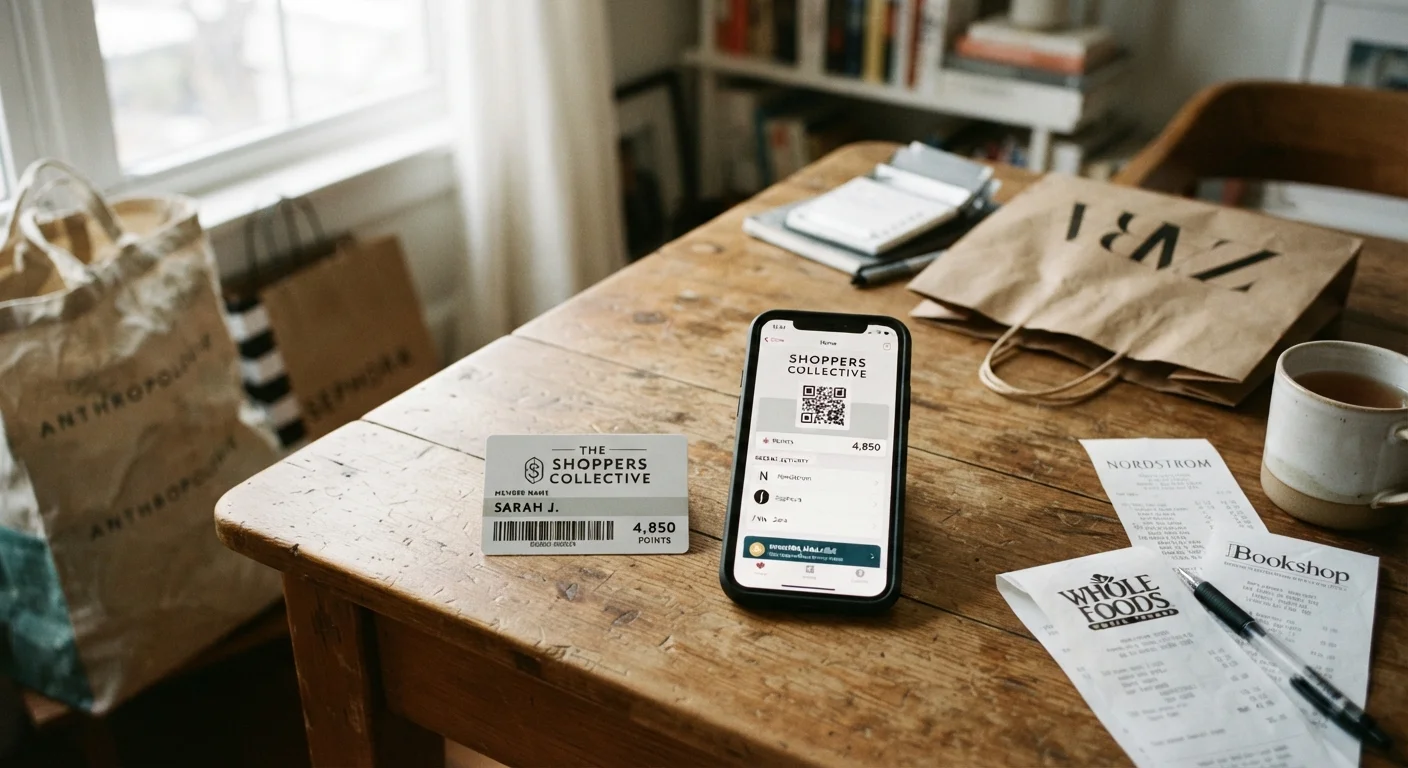
Loyalty programs are a genuine tool for savings when used with discipline — but they're also engineered to increase spending. The value you extract depends almost entirely on whether the program fits your existing habits or changes them. For frequent buyers at a single retailer or airline, the math can work in your favor. For everyone else, the benefits are often marginal and the risks of overspending are real.
Consumers who already shop regularly at one or two retailers and have the discipline to redeem rewards without letting membership change their baseline spending habits.
How Loyalty Programs Actually Work
Loyalty programs are structured to accomplish two things simultaneously: reward repeat customers and increase the frequency and volume of their purchases. Understanding this dual purpose is the first step to evaluating whether a specific program benefits you or mainly benefits the retailer.
Most programs fall into one of three models: point-based systems (spend dollars, earn points redeemable for discounts or products), tiered membership (spend more to unlock better perks), and paid memberships (a flat fee buys access to member prices or free shipping). Each model has a different risk profile for consumers.
Point-based systems are the most common and the most studied. Research consistently shows that the act of accumulating points activates reward-seeking behavior — shoppers often spend more than they intended specifically to avoid "wasting" progress toward a threshold. This is sometimes called the endowed progress effect, and retailers design their tier structures around it.
Paid memberships, by contrast, create a sunk-cost dynamic: once you've paid an annual fee, you're motivated to shop at that retailer to justify the expense — even when a competitor offers a lower price on a given item. See how auto-renewals and fine print can quietly compound this effect.
Paid Memberships vs. Free Programs
Free loyalty programs carry a lower risk of direct financial loss, but they still carry indirect costs through behavioral influence and data sharing. Paid membership programs introduce a concrete annual fee that must be offset by actual usage to deliver net value. Before enrolling in any paid program, list the specific benefits you would realistically use — not the full benefit menu — and compare that total to the fee. If you're uncertain, review the cancellation and auto-renewal terms, which can turn a trial into a recurring charge.
The Real Advantages: When Programs Deliver Value
Used strategically, loyalty programs can produce measurable savings — particularly for consumers whose habits already align with a retailer's core offerings.
Tangible discounts for high-frequency shoppers
Consumers who regularly buy from a specific retailer can accumulate rewards that translate into real dollar savings over time, effectively getting a rebate on spending they'd do regardless.
Early access and member-only offers
Some programs provide access to promotions, inventory, or pricing before the general public — a genuine advantage when the items involved are things you'd have purchased anyway.
Free perks that add up over time
Free shipping thresholds, complimentary products, or service upgrades can offset program costs, particularly for paid memberships used consistently throughout the year.
Travel rewards can significantly outpace cash back
Frequent travelers who understand redemption windows and partner transfers can extract value well above the nominal cash equivalent of their points, especially on premium cabin bookings.
Travel rewards programs, in particular, can offer outsized value for frequent flyers or hotel guests who know how to maximize redemption rates. Our breakdown of booking flights versus using points explains when redeeming miles actually beats paying cash.
The Real Disadvantages: Where Programs Cost You
The same mechanics that create value for disciplined users are designed to extract more spending from everyone else. These disadvantages are rarely front-and-center when you sign up.
Programs are engineered to increase spending
Threshold-based rewards and expiring points are deliberate design choices that push members toward purchases they wouldn't otherwise make, often costing more than the reward earned.
Points expiration erodes accumulated value
Many programs include expiration clauses that void points after 12–24 months of inactivity; consumers who don't track these deadlines routinely lose rewards they believed they had.
Member prices can reflect inflated base prices
Retailers control their own reference pricing, meaning a "member discount" may simply be the standard market price offered selectively to make membership appear more valuable.
Broad data collection with limited transparency
Enrollment typically requires consenting to extensive purchase-tracking and, in many cases, data sharing with marketing partners — a cost that doesn't show up in any financial comparison.
Spreading spending dilutes reward accumulation
Joining multiple programs to capture small benefits at many retailers often results in fragmented balances that never reach meaningful redemption thresholds at any single program.
Member-only pricing deserves particular scrutiny. Retailers can set their own reference prices, meaning a "member discount" sometimes reflects a markup applied to non-members rather than a genuine reduction. This is a variation of the inflated-price problem covered in our guide on recognizing inflated original prices.
Data collection is another underappreciated cost. Loyalty programs are among the richest sources of consumer behavioral data available to retailers. Signing up typically involves consenting to terms that allow your purchase history to be used for targeted marketing — and sometimes shared with third parties. Check the fine print before enrolling.
~$360B
Estimated unredeemed loyalty points globally
Industry analysts have estimated hundreds of billions of dollars in loyalty points are accrued but never redeemed, representing value consumers earned but never collected.
~50%
Members who rarely or never redeem rewards
Consumer research consistently finds that roughly half of loyalty program members fail to redeem rewards regularly, limiting the practical value of their membership.
How to Decide If a Program Is Worth It
The clearest test: would you shop at this retailer at this frequency even without the program? If yes, the loyalty perks are essentially free upside. If joining the program would cause you to change where or how often you shop, run the numbers first.
Calculate your realistic earn rate. If a program returns 1% of spending in rewards and you spend $500 a year at that retailer, you're looking at $5 in value — potentially less after accounting for point expiration or redemption restrictions. Compare that against any behavioral changes the program encourages.
For programs with fees, the math is more direct: list every concrete benefit you'd actually use and assign dollar values. If the total falls short of the annual cost, the program isn't pulling its weight. This same logic applies to subscription-style retail memberships — many of which share structural similarities with subscription traps.
Finally, audit how many programs you're already in. Spreading spending across five programs to earn rewards in each usually produces worse outcomes than consolidating at one or two where you genuinely accumulate meaningful value. The most common buyer mistakes often come from chasing programs rather than evaluating them critically.
The content on this site is for informational purposes only and is not a substitute for professional advice. Always consult a qualified professional for guidance specific to your situation.