

Summary
18 items · 10–20 minutes
What the Skin Barrier Actually Does
Your skin barrier — formally called the stratum corneum — is the outermost layer of your skin. Think of it as a brick wall: skin cells (the bricks) are held together by a mortar of lipids, including ceramides, fatty acids, and cholesterol. This structure keeps moisture in and irritants, allergens, and microbes out.
When that mortar degrades, the wall loses its integrity. Moisture escapes faster than it should — a process called transepidermal water loss (TEWL) — and external triggers that healthy skin shrugs off suddenly cause reactions. Understanding this mechanism helps explain why a damaged barrier can make almost every product feel wrong, even ones you've used for years. For a broader look at how your baseline skin type interacts with barrier health, see our guide to decoding skin types.
Signs Your Barrier May Be Compromised
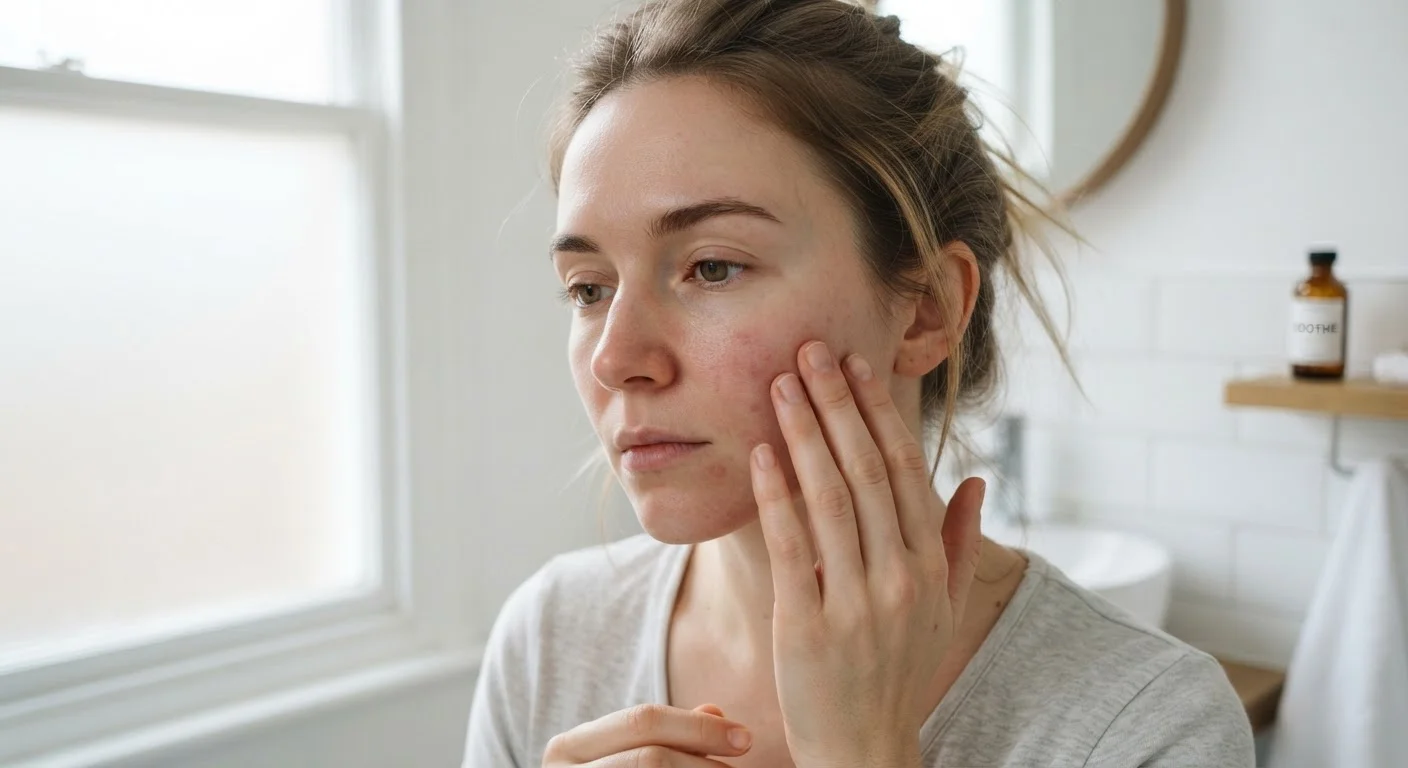
These symptoms don't automatically confirm barrier damage on their own, but a cluster of them — especially appearing after a routine change — is a strong signal worth taking seriously.
Recognising the Symptoms
Identifying the Likely Cause
Immediate Repair Steps
Longer-Term Rebuilding Habits
When to See a Dermatologist
If your skin is severely inflamed, weeping, crusting, or not responding to gentle care after two to four weeks, see a board-certified dermatologist. Conditions like eczema (atopic dermatitis), psoriasis, and rosacea involve barrier dysfunction but require professional diagnosis and management. This checklist covers general skin barrier education, not medical advice.
If your skin is severely inflamed, weeping, crusting, or not responding to gentle care after two to four weeks, see a board-certified dermatologist. Conditions like eczema (atopic dermatitis), psoriasis, and rosacea involve barrier dysfunction but require professional diagnosis and management. This checklist covers general skin barrier education, not medical advice.
What You'll Need to Rebuild
Barrier repair isn't about buying a full shelf of new products. It's about strategic simplification. Below are the core tools and ingredient categories that dermatology research consistently supports for barrier restoration.
Low-pH cream or gel cleanser (fragrance-free)
Removes dirt without stripping the skin's natural lipid layer; a pH close to skin's natural level (around 4.5–5.5) is less disruptive to the barrier.
Ceramide-based moisturizer
Ceramides are lipids naturally found in the skin barrier; topical application helps replenish them and supports structural repair.
Petrolatum balm or occlusive ointment
Acts as a sealant over other products to reduce transepidermal water loss overnight — one of the most evidence-backed occlusive ingredients available.
Fragrance-free broad-spectrum sunscreen (SPF 30+)
Protects the compromised barrier from UV-induced inflammation, which can significantly slow healing.
Humidifier
Adds moisture to indoor air, reducing the evaporative stress placed on skin during dry-weather months.
pH testing strips
Lets you verify that your cleanser falls within a skin-compatible pH range before committing to it during a repair phase.
Fragrance Is a Frequent Hidden Culprit
Both synthetic and natural fragrances (including essential oils) are among the most common contact irritants for skin with a compromised barrier. During the repair phase, check ingredient lists carefully — 'natural' does not mean non-irritating. Even products labeled 'unscented' can contain masking fragrances, so look for 'fragrance-free' specifically.
More Products Won't Speed Up Healing
It's tempting to layer on serums, oils, and specialty treatments when your skin is struggling. In most cases, adding more products prolongs barrier damage rather than resolving it. A stripped-back routine of cleanser, moisturizer, and sunscreen is genuinely what the skin needs to repair itself. Reintroduce complexity only after symptoms fully clear.
How to Rebuild Your Barrier: The Checklist
Work through this checklist methodically. The goal is to remove stressors first, then support the skin's own repair processes. Resist the urge to layer in actives — retinols, acids, vitamin C — until your skin has stabilized. Our article on layering active ingredients safely covers exactly when and how to reintroduce them without re-damaging the barrier.
If your moisturizer still isn't delivering relief, the issue may be timing or formulation rather than barrier damage alone — this breakdown of why moisturizers underperform is worth reading alongside this checklist.
This article is for general informational and educational purposes only and does not constitute medical advice. Consult a qualified healthcare professional for concerns about your skin health.
The content on this site is for informational purposes only and is not a substitute for professional advice. Always consult a qualified professional for guidance specific to your situation.