

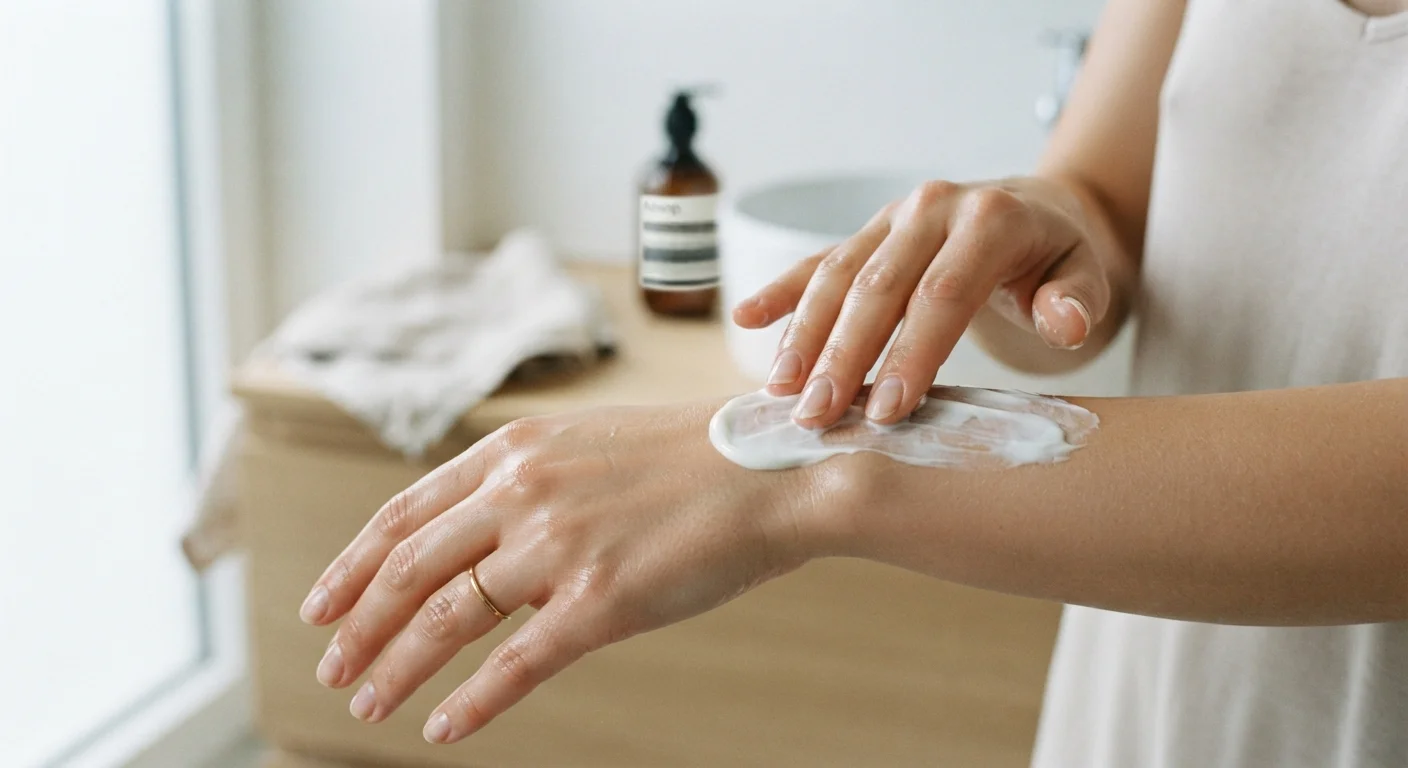
The Real Reason Your Moisturizer Feels Pointless
If your skin still feels tight, flaky, or dull an hour after moisturizing, your instinct might be to blame the product. But the formula is rarely the primary problem. Most moisturizer failures come down to how and when you're applying it, which ingredients you're pairing it with, and whether your skin barrier is even in a position to accept hydration at all.
Understanding a few basic skin science principles — without the marketing noise — can turn a frustrating routine into one that actually works. Start by identifying your actual skin type, because that shapes every decision that follows.
Applying moisturizer to completely dry skin instead of damp skin.
Why it happens: Most people towel off thoroughly before going through their skincare steps, assuming clean and dry is the right starting point.
Layering products in the wrong order, so moisturizer goes on before serums or treatments.
Why it happens: Without clear guidance, many people apply products in the order they reach for them, or assume thicker means it goes on last regardless of function.
Using a formula that doesn't match your skin type or current skin condition.
Why it happens: Marketing often positions moisturizers as universally beneficial, and many people pick based on scent, packaging, or what worked for a friend.
Applying moisturizer over exfoliating acids without waiting for the skin's pH to stabilize.
Why it happens: People often rush through their routine, not realizing that some active ingredients need time before the next product is applied.
Skipping moisturizer altogether because skin feels oily.
Why it happens: Oily skin is commonly misread as already hydrated, leading people to avoid moisturizer for fear of adding more shine or triggering breakouts.
Using too little product, or rubbing it in too aggressively.
Why it happens: People often try to stretch products to make them last longer, or assume vigorous rubbing helps absorption.
When Good Habits Actually Work Against You
Some of the most common moisturizer mistakes are baked into routines that otherwise look perfectly reasonable. The issues below aren't about buying the wrong thing — they're about patterns that quietly undermine results.
~60 sec
Ideal window to apply moisturizer after cleansing
Dermatologists generally recommend applying hydrating products within one minute of washing to lock in surface moisture before it evaporates.
3 layers
Typical steps before moisturizer in a basic routine
A standard layering sequence — cleanser, treatment or serum, then moisturizer — means product order errors are common when routines aren't clearly structured.
If you've recently added active ingredients like retinol or exfoliating acids, your routine may also be compounding the problem. Layering actives incorrectly can disrupt the skin barrier faster than any moisturizer can repair it. And if stinging from water or persistent redness sounds familiar, those may be signs of a compromised skin barrier that needs targeted attention before standard moisturizing can work.
Don't Layer Oils Before Moisturizer
Facial oils are occlusive — they sit on top of skin and create a barrier that other products struggle to penetrate. If you use a facial oil, it should always go on after your moisturizer, not before. Applying oil first effectively seals the surface and prevents your moisturizer's active ingredients from absorbing properly.
Finally, don't overlook product category confusion. The nighttime skincare aisle is dense — understanding whether a night cream, sleep mask, or plain moisturizer suits your needs can prevent you from accidentally under- or over-moisturizing without realizing it.
This article is for general informational and educational purposes only. It is not a substitute for professional dermatological or medical advice. If you are experiencing persistent skin concerns, consult a qualified dermatologist.
The content on this site is for informational purposes only and is not a substitute for professional advice. Always consult a qualified professional for guidance specific to your situation.