

Why Garment Care Is a Practical Skill, Not a Luxury
Most clothing doesn't wear out from being worn — it wears out from being washed and dried incorrectly. Heat breaks down elastic and shrinks natural fibers. Aggressive cycles create friction that causes pilling. Improper storage distorts the shape of garments that were constructed to hold it. Understanding these mechanics puts you in control of how long your wardrobe actually lasts, regardless of what you paid for it.
As we explore in why expensive clothes don't always last longer, price and durability aren't the same thing. A well-cared-for mid-range piece will almost always outlast a designer item that's routinely tossed in a hot dryer.
What you will need
The steps below cover the full care cycle — from sorting and washing to drying and storage — so you can build consistent habits rather than guessing each time.
How to Care for Your Clothes Properly
Read the care label before anything else
Every garment carries a care label that uses standardized symbols and text to communicate washing temperature, drying method, ironing guidelines, and whether dry cleaning is required. Spend ten seconds reading it before you toss anything into the machine. Look for a tub symbol for washing instructions, a square for drying, and an iron icon for pressing guidance.
Sort laundry by color, fabric weight, and care requirements
Group darks, lights, and whites separately to prevent dye transfer. Beyond color, separate heavy items like jeans and towels from lightweight fabrics — the friction from mixed loads accelerates wear on thinner garments. Delicates should always be washed separately or placed inside a mesh laundry bag.
Choose the right water temperature and cycle
Cold water (around 60–80°F) is suitable for most everyday clothing and actively reduces color fading and fiber stress. Warm water works for moderately soiled cotton items. Hot water is generally reserved for towels, bedding, or heavily soiled work clothes. Select a gentle or delicate cycle for anything lightweight, loosely woven, or labeled as such.
Treat stains before washing, not after
Apply a small amount of stain remover or mild dish soap directly to the stain as soon as possible after it occurs. Gently work it in with your fingers or a soft cloth — avoid aggressive rubbing, which spreads the stain and damages fibers. Let it sit for five to ten minutes, then launder as normal. Avoid putting a stained item in the dryer before confirming the stain is gone; heat permanently sets most stains.
Dry garments at the appropriate heat level or air-dry
Check the care label for drying guidance. Most synthetics, activewear, and delicates benefit from air-drying flat or on a drying rack. For items that can go in the dryer, use low or medium heat and remove them while slightly damp to reduce wrinkles and fiber stress. Wool and cashmere should always be reshaped and dried flat — never hung wet, as their own weight will stretch them out of shape.
Store clothes correctly based on fabric and structure
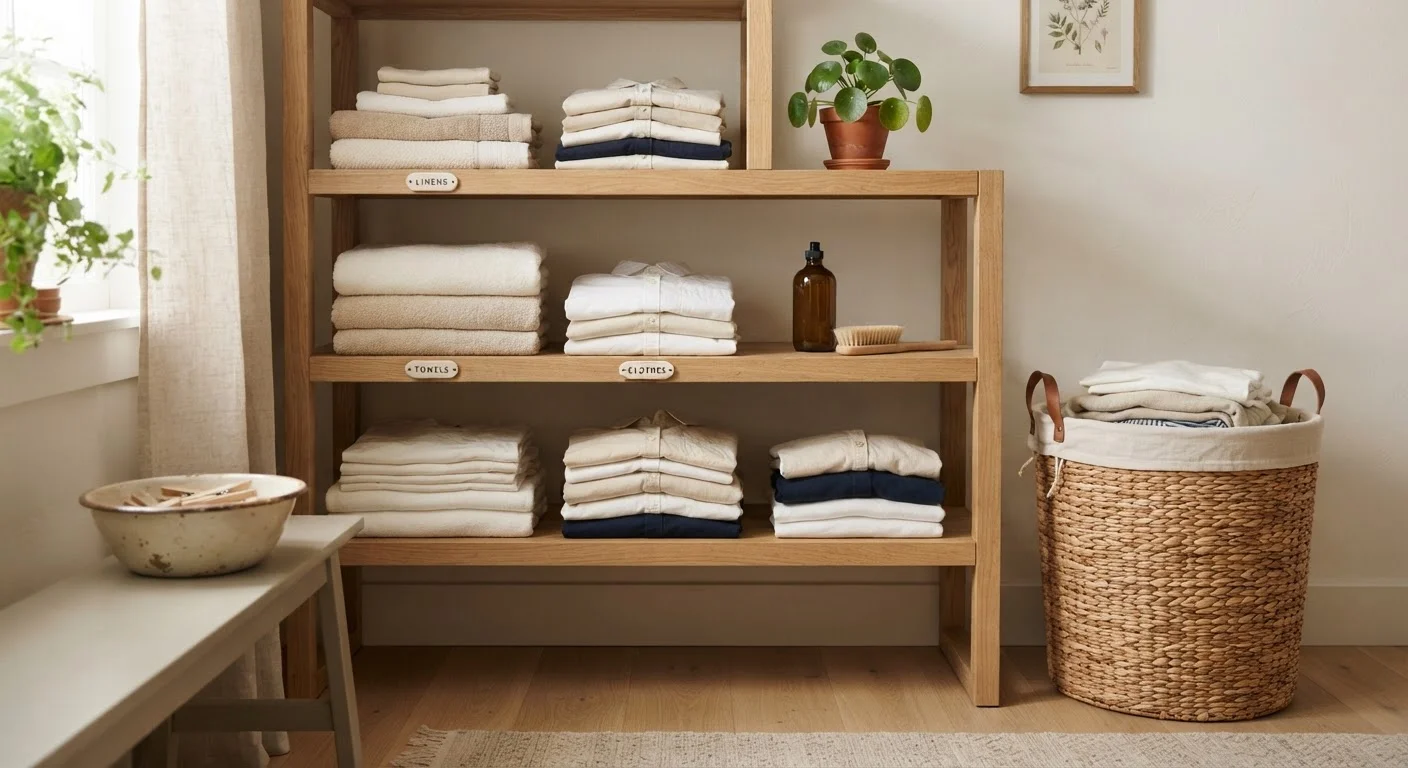
Hang structured pieces — blazers, button-down shirts, woven trousers — on appropriately shaped hangers to preserve their silhouette. Fold knits, t-shirts, and stretchy fabrics instead of hanging them; hanging causes these fabrics to stretch irreversibly at the shoulders. Store off-season items clean and in breathable containers or garment bags rather than plastic, which traps moisture and can cause mildew or yellowing.
Never Ignore the Care Label
Care labels aren't suggestions — they reflect how the fabric was engineered to be cleaned. Ignoring them is the single most common reason clothes shrink, stretch, or fall apart prematurely. If a label says dry clean only or hand wash, treating the garment any other way voids the manufacturer's intention and risks irreversible damage.
Hot Water and High Heat Are the Main Culprits
High washing temperatures cause natural fibers like cotton and wool to shrink, while high dryer heat breaks down elastic and degrades synthetic blends. Unless you're sanitizing heavily soiled items, most everyday laundry doesn't require heat above a warm setting. When in doubt, cooler is safer.
Once these habits are in place, maintaining them takes very little time per laundry cycle. Think of it the same way you'd think about phone maintenance habits — consistent small actions prevent the kind of damage that's costly or impossible to reverse.
Turn Dark Clothes Inside Out
Washing dark garments inside out significantly reduces friction against the fabric's outer surface, which is what causes fading and pilling over time. This simple habit costs nothing and keeps black and navy pieces looking newer for much longer.
Rotating through your wardrobe evenly also helps — wearing the same few pieces every week accelerates their wear relative to everything else. If you're thinking about seasonal wardrobe planning, dressing for the season without rebuilding your wardrobe offers a practical approach to getting more from what you already own.
The content on this site is for informational purposes only and is not a substitute for professional advice. Always consult a qualified professional for guidance specific to your situation.