
The Price–Quality Gap in Fashion
Most shoppers operate on a reasonable-sounding assumption: pay more, get more. In some categories that holds up. In fashion, the relationship between price and durability is far messier. A significant portion of what you pay for in a designer or premium garment is brand positioning, retail markup, packaging, and marketing — not necessarily stronger stitching or longer-lasting fabric.
The fashion industry prices goods using a cost-plus model layered with perceived value. A garment manufactured for a modest cost can retail for multiples of that figure based purely on label prestige. Meanwhile, a mid-price retailer using the same fabric mill and construction standards may produce a nearly identical item at a fraction of the cost. Understanding this dynamic is the first step toward spending confidently, regardless of budget. For a deeper look at spotting genuine value beyond the logo, see our guide on evaluating quality without a brand name.
Myth
If a garment costs more, it's made from better materials and will last longer.
Fact
Price reflects many factors beyond materials — brand equity, retail margins, and marketing spend are often the largest components.
Studies of the apparel supply chain consistently show that manufacturing costs represent a small fraction of retail price for premium brands. A luxury label garment and a mid-market garment may use fabric from the same mill, cut to similar specifications. The price gap is largely explained by brand overhead, not fiber quality or construction. When evaluating durability, inspect the fabric and seams directly rather than reading the price as a quality signal.
Myth
Fast fashion always falls apart quickly, while designer pieces are built to last decades.
Fact
Longevity depends on construction details and care, not the retailer category — some fast fashion items are surprisingly durable, and some luxury pieces are deliberately trend-driven and fragile.
Many luxury houses produce seasonal, trend-led pieces intended to be replaced next season — not heirlooms. Conversely, some mass-market basics use durable cotton twill or reinforced stitching that holds up to years of wear. The meaningful distinction isn't the retailer tier; it's whether the specific garment was engineered for longevity or for visual appeal at point of sale. Check seam finishing and fabric weight rather than the store name.
Myth
Natural fabrics like cotton and wool are always more durable than synthetics.
Fact
Durability depends on fabric construction and fiber quality, not natural versus synthetic status alone.
A loosely woven linen will pill and tear faster than a tightly engineered nylon. High-quality polyester microfiber can outlast a low-grade cotton weave in abrasion resistance. That said, fiber type does affect how a fabric ages aesthetically — wool can be repaired and re-blocked, while some synthetics develop permanent sheen or pilling that can't be reversed. The practical takeaway is to evaluate weave density and fiber grade rather than applying a blanket rule about natural versus synthetic.
Myth
Dry-clean-only garments must be expensive and high-quality if they require special care.
Fact
Dry-clean-only labels often reflect delicate construction or fiber blends that are actually less durable under everyday conditions, not superior quality.
A garment requiring dry cleaning may be constructed from materials that cannot tolerate water — which also means they cannot tolerate sweat, spills, or normal body contact easily. For daily-wear items, care requirements are a practical durability factor: a piece you can't machine wash at home will be worn less, cleaned less consistently, and may degrade faster from infrequent care. A robust, washable garment with strong seams often represents better long-term value than a fragile piece demanding expensive professional maintenance.
What Actually Predicts How Long a Garment Lasts
Three factors reliably predict longevity: fabric composition, construction quality, and care requirements. None of these are visible from a price tag alone.
Fabric composition matters because fiber type determines how a garment responds to washing, friction, and time. Tightly woven natural fibers like dense cotton, linen, and wool tend to hold their structure well, though they require appropriate care. Synthetic blends engineered for stretch and moisture-wicking can also perform durably — the key is weave density and fiber quality, not natural versus synthetic as a binary. For a practical breakdown, our article on natural vs. synthetic fabrics covers how each material performs in everyday use.
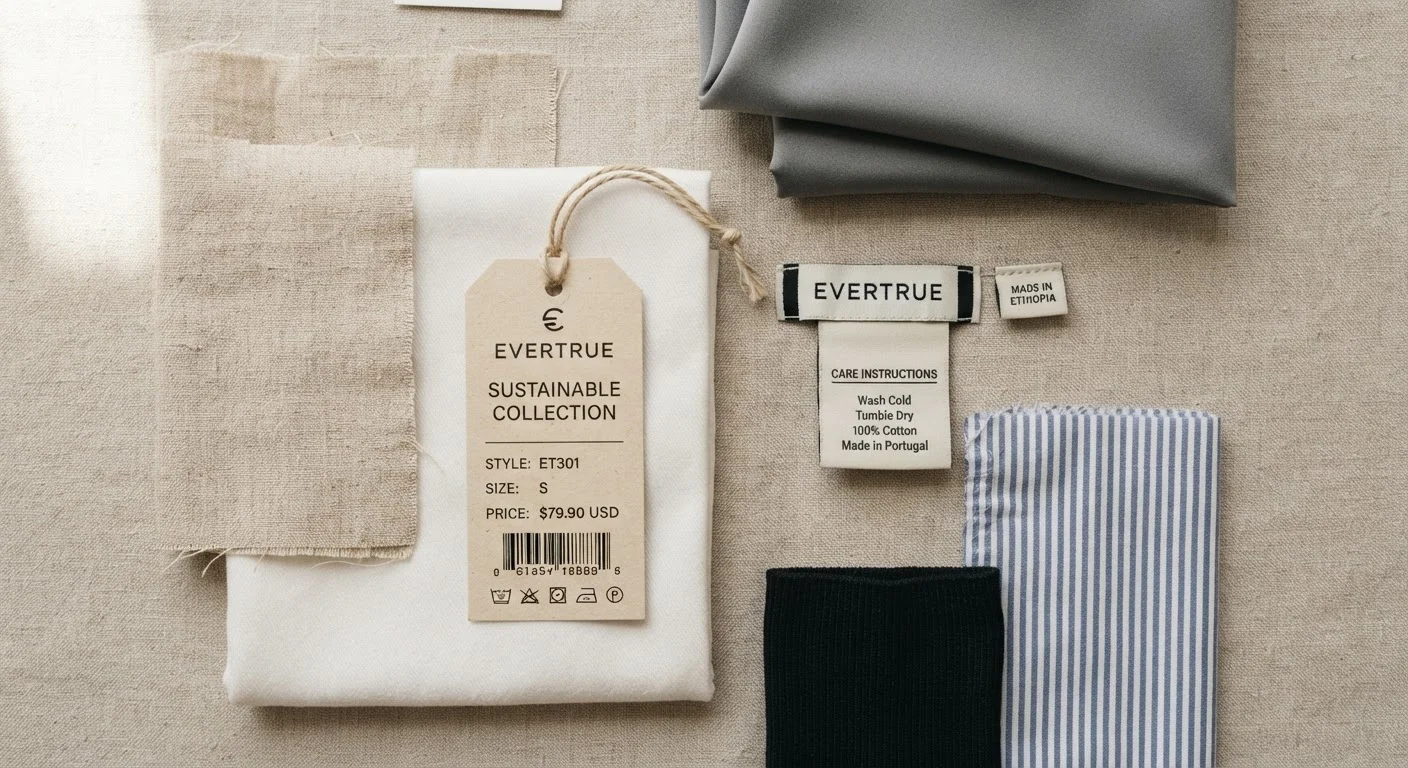
Construction quality shows up in details most shoppers overlook at the rack: stitch density (more stitches per inch generally means stronger seams), finished or bound interior seams that resist fraying, reinforced stress points at pockets and buttonholes, and pattern matching at seams on printed fabrics. These are features a $40 garment can have and a $300 garment can lack.
Care requirements are a durability factor in disguise. A garment labeled dry-clean only will cost more to maintain and is more likely to be worn less and eventually discarded. Check care labels before purchasing — a piece you'll actually wash and wear repeatedly is more sustainable, financially and environmentally, than one you'll baby or avoid. Our guide to caring for clothes so they actually last walks through how washing, drying, and storage affect garment lifespan.
~3%
Manufacturing cost as share of retail price
Industry analyses of premium apparel brands suggest manufacturing costs can represent as little as 3–10% of final retail price, with brand equity and overhead accounting for the majority.
2–3x
Typical retail markup over wholesale
Standard retail markup in the apparel industry is roughly 2–3 times the wholesale cost, meaning price increases at retail don't translate proportionally into better materials.
Shopping Smart Across Every Budget
Once you stop using price as a proxy for quality, a more useful set of questions opens up. Before buying any garment, try running through a quick physical inspection: pull gently at the seams to test tension, examine the stitching density along major seams, check whether the interior edges are finished or raw, and read the care label for maintenance complexity.
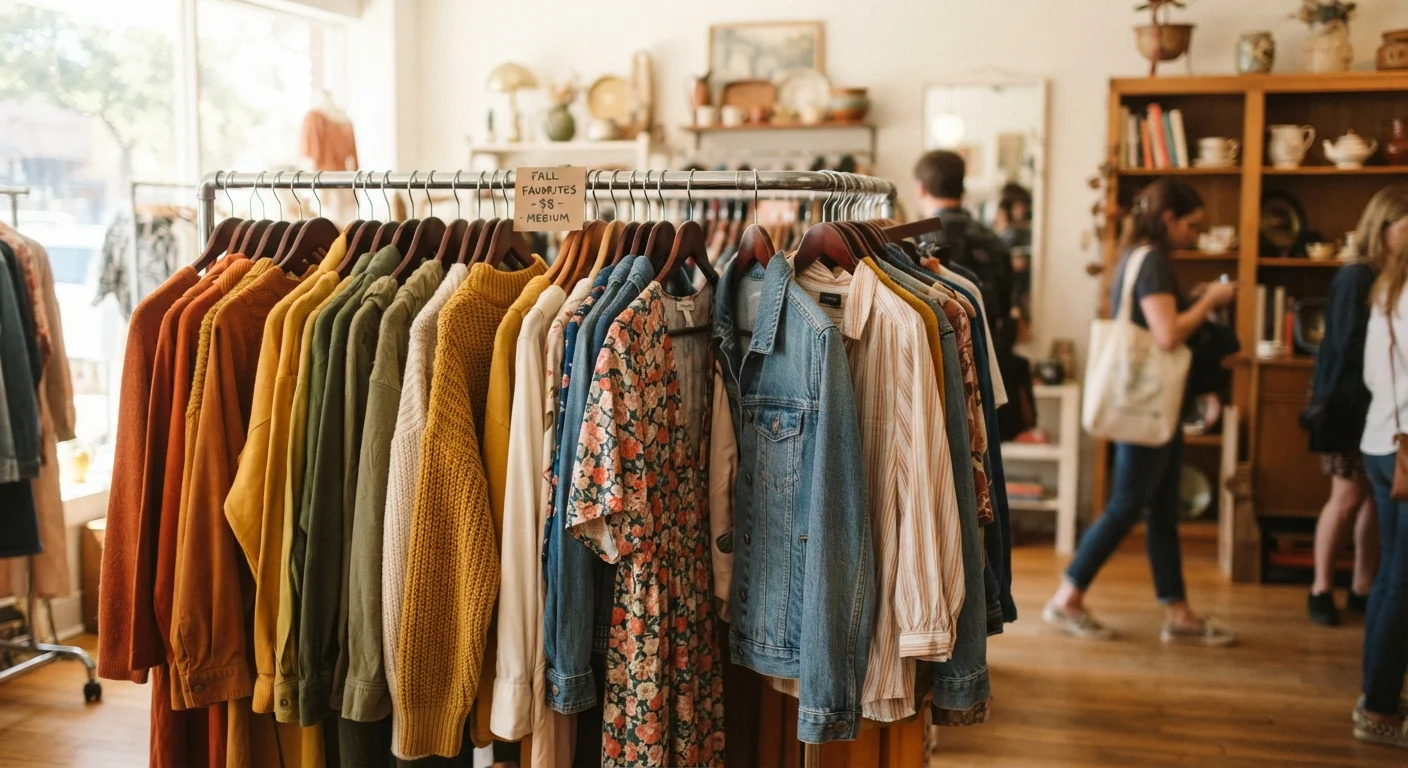
Thrift and resale markets are worth mentioning here. A well-constructed garment sold secondhand has already survived its first phase of wear — which is often when lower-quality pieces fail. Shopping secondhand can surface genuinely durable items at a significant discount. Our guide to shopping secondhand for everyday wear covers exactly what to inspect before buying pre-owned clothing.
It's also worth noting that cost-per-wear — the total price divided by the number of times you actually wear something — is a more honest measure of value than sticker price. A $60 well-constructed shirt worn 80 times costs less per wear than a $200 shirt worn 15 times before it pills, fades, or loses its shape. That framing doesn't favor expensive or cheap clothing uniformly — it favors clothes that fit your lifestyle, hold up to your washing habits, and that you actually reach for. For a fuller picture of when low-priced goods can become expensive over time, see when cheaper costs more.
Don't Mistake Branding for Craftsmanship
A prominent logo or high retail price can create a powerful impression of quality that doesn't always hold up under inspection. Before assuming a premium-priced garment is built to last, examine the interior seams, fabric hand, and stitching density directly. Marketing language like 'luxury,' 'artisan,' or 'heritage' describes positioning — not construction standards.
This article is for general informational purposes only. Individual garment performance varies by use, care, and manufacturing batch.
The content on this site is for informational purposes only and is not a substitute for professional advice. Always consult a qualified professional for guidance specific to your situation.