

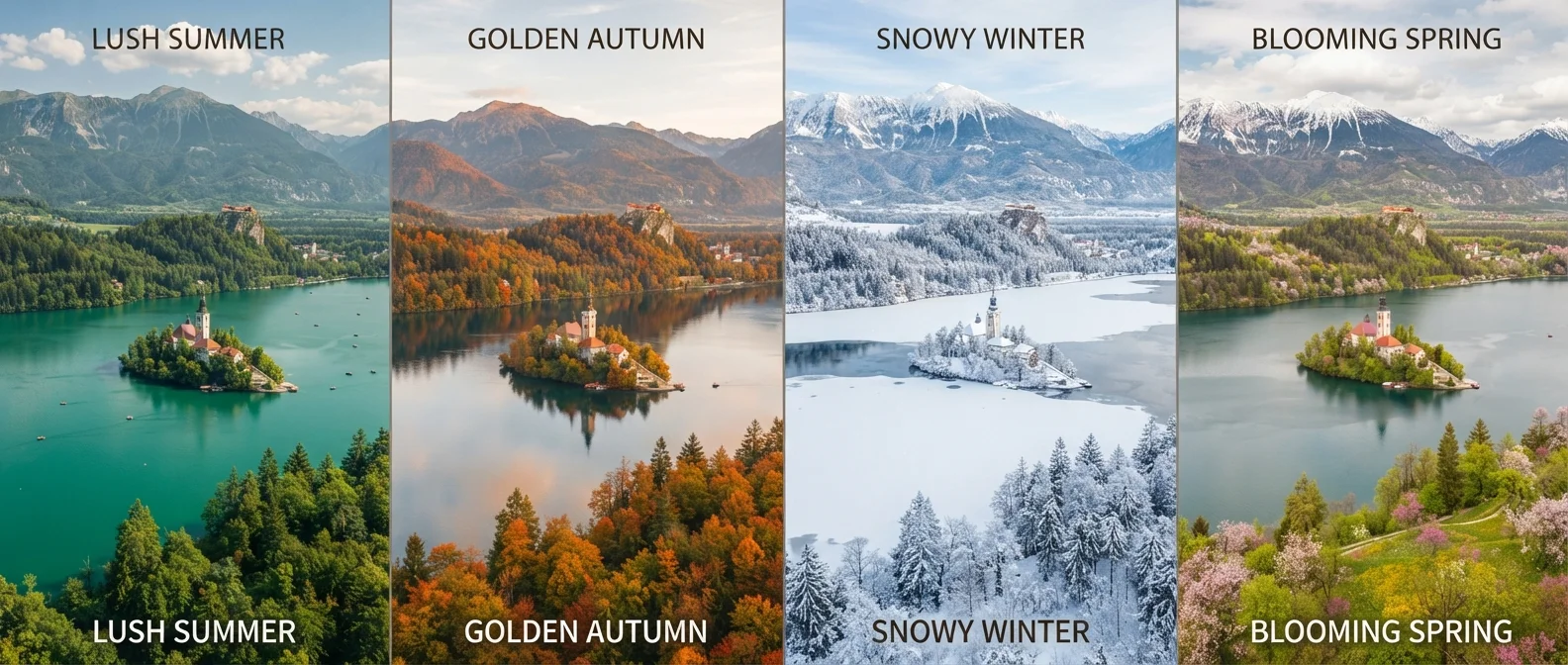
Why Timing Is One of Your Most Powerful Planning Decisions
Choosing when to travel matters just as much as choosing where. The same destination can feel entirely different depending on the month: a beach town that's blissfully quiet in October may be wall-to-wall tourists in July. A mountain village that's picture-perfect in autumn could be inaccessible in early spring due to snowmelt and closed roads.
Seasonal planning isn't about finding some mythical perfect window — it's about matching conditions to your actual priorities. Are you after warm weather and long daylight hours, or do you value smaller crowds and a more local feel? Is your budget fixed, or can you flex around pricing surges? Answering those questions before you start searching for flights puts you in the driver's seat. For a broader look at how timing fits into the full planning process, see the anatomy of a well-planned trip.
~30%
Typical airfare variation between peak and off-peak
General industry analysis consistently shows significant fare differences between high and low travel seasons, though exact figures vary by route and year.
3 in 5
US travelers who cite crowds as a top frustration
Surveys by travel industry research groups regularly find overcrowding among the leading complaints from tourists at major destinations.
Key Seasonal Factors Every Traveler Should Weigh
Understanding what actually drives seasonal shifts helps you ask the right questions for any destination:
- Climate and weather patterns: Average rainfall, temperature ranges, and weather events like hurricane or monsoon seasons vary dramatically by region. General climate data — not just one travel blog's take — gives you a more reliable picture.
- Local and national holidays: Public holidays drive domestic travel surges in many countries. A destination that feels quiet to foreign visitors might be packed with local tourists during a national holiday week.
- School calendars: Family travel spikes during summer breaks and school holidays in both the US and major source markets abroad, affecting crowd levels and accommodation costs.
- Local harvest, cultural, or sporting events: These can be fantastic reasons to visit — or reasons to avoid a particular week if you prefer quieter travel.
Verify Conditions Before You Book
Seasonal information can shift due to climate variability, local policy changes, or unforeseen events. Always cross-check current conditions with official tourism boards, your government's travel advisory portal, and airline or accommodation providers before finalizing plans. What was true last year may not hold this year.
Best Practices for Seasonal Trip Planning
These approaches help you navigate seasonal trade-offs with clarity rather than guesswork.
Research the destination's high, shoulder, and off-peak seasons before locking in dates.
Every destination has a rhythm — driven by climate, local holidays, and school calendars — that determines when crowds peak and when they thin. Knowing that rhythm lets you make a deliberate trade-off rather than stumbling into a festival weekend you didn't plan for.
Map your must-do activities to the season that actually supports them.
Some experiences are season-dependent in ways that aren't obvious from photos. Visiting a national park in winter means fewer visitors but potentially closed roads; a beach resort in the rainy season may look lush but feel soggy for outdoor plans.
Account for local events, holidays, and school calendars when choosing dates.
National holidays, regional festivals, and school break schedules can spike accommodation demand dramatically in ways that weather forecasts won't reveal. These surges affect everything from hotel availability to how crowded key sites feel.
Weigh climate trade-offs honestly rather than chasing ideal conditions.
No single travel window is perfect for every traveler. Rain, heat, cold, and wind all affect comfort differently depending on what you're doing. Honest assessment of your own weather tolerance prevents disappointment when conditions are less than ideal.
Build flexibility into your itinerary to accommodate seasonal variability.
Even well-researched seasonal windows can surprise you. Weather patterns have grown less predictable in many regions, and building buffer days or backup plans prevents a single weather event from derailing the whole trip.
Shoulder Season Is Often the Sweet Spot
The weeks just before or after peak season — sometimes called shoulder season — frequently offer a compelling combination: fewer crowds than peak, more reliable conditions than off-peak, and often more availability. See our shoulder season travel guide for how this plays out across different destination types.
Quick Actions to Take Before You Book
Before you commit to any travel dates, a few targeted research steps can save significant frustration later. These wins are fast to execute and high in impact:
Planning around budget? The common travel overspending traps article walks through the financial blind spots seasonal timing can expose — from underestimated daily costs to surprise fees during peak periods. And if you're weighing when to lock in flights, booking flights early vs. waiting for lower fares breaks down the general pricing patterns worth understanding.
Matching Your Travel Style to the Season
No seasonal window is objectively best — the right choice depends on your travel style, flexibility, and what you want to experience. Families traveling with kids often have less flexibility due to school schedules, which is worth planning around well in advance. See how family trip planning differs for approaches tailored to that situation.
Solo travelers tend to have more date flexibility, which opens up shoulder and off-peak windows more easily. Solo travel in the United States offers practical strategies for making the most of that flexibility. Whatever your situation, balancing a flexible itinerary with enough structure is especially important when traveling during seasons known for variability.
“The best time to visit anywhere is when it aligns with what you actually want to do there. Season and experience are inseparable.”
— Pauline Frommer, Travel writer and editorial director with decades of destination research experience
The goal is a trip that meets you where you are — not one that fights the calendar.
The content on this site is for informational purposes only and is not a substitute for professional advice. Always consult a qualified professional for guidance specific to your situation.