

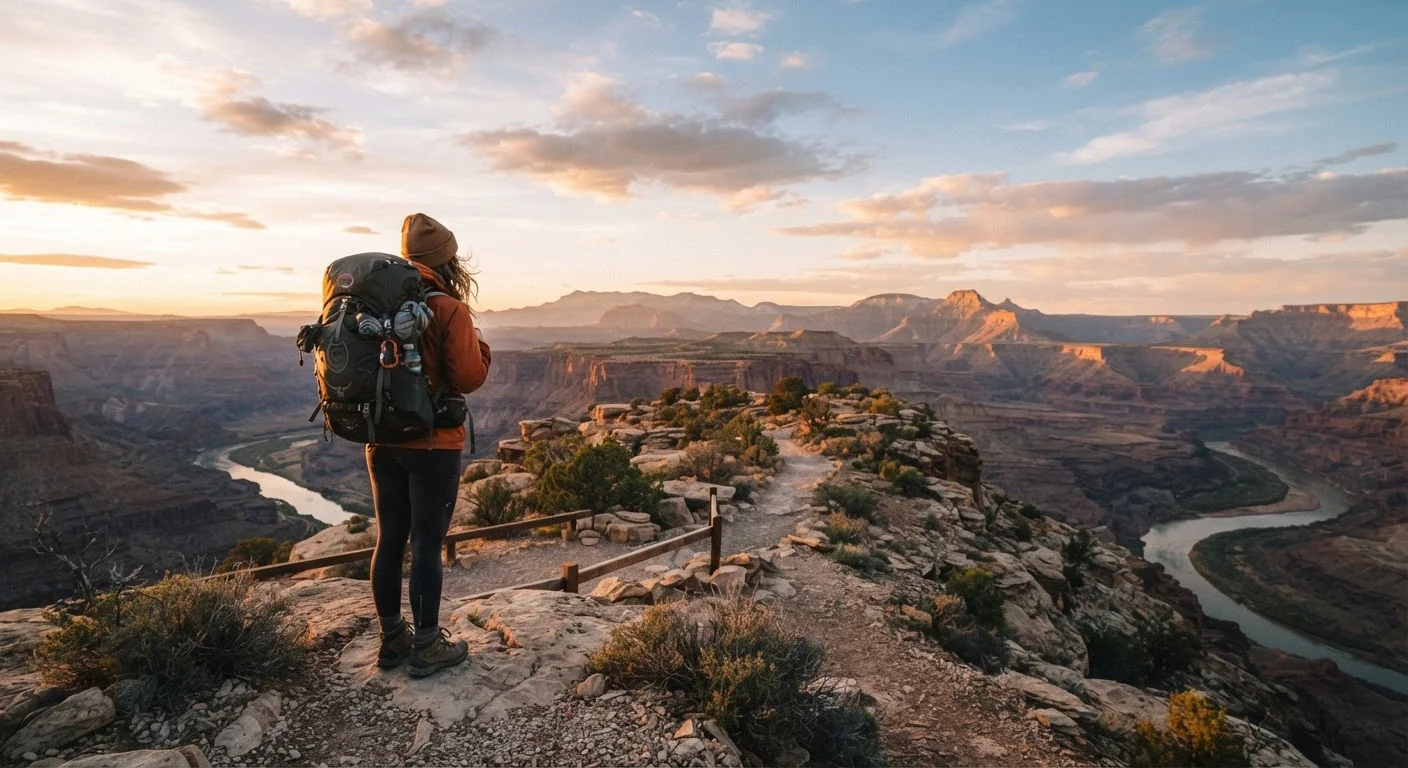
Why Solo Travel in the US Works So Well
The United States is one of the most practical destinations for first-time and experienced solo travelers alike. English is the primary language, the infrastructure for independent travel is well developed, and the sheer range of landscapes and cities means you can tailor a trip to your exact interests — without convincing anyone else to come along.
Whether you're drawn to the walkable energy of cities like New Orleans or Portland, the wide-open drama of the American Southwest, or the quiet of a coastal national seashore, the US rewards solo travelers who show up with a plan and a willingness to be flexible. The key is knowing which approaches actually produce great trips — and which habits prevent the common pitfalls.
If you're weighing solo travel against a group trip, the planning dynamics shift significantly depending on who's going — it's worth thinking through before you commit to either.
“The impulse to travel is one of the hopeful symptoms of life. Solitary travel, in particular, forces a kind of openness — you rely on strangers, and strangers often surprise you.”
— Paul Theroux, Travel writer and author of numerous solo travel narratives
Picking a Destination That Suits Solo Travel
Not every destination is equally well-suited to going it alone. For solo travelers, the most satisfying spots tend to share a few traits: walkability or reliable public transit, a mix of independent businesses and communal spaces, and a general culture of welcoming strangers.
Cities with strong neighborhood identities — think Asheville, NC; Savannah, GA; or the Pacific Northwest's urban core — give solo travelers natural social anchors. You can wander a farmers market, linger at a coffee shop, or join a free walking tour and encounter genuine local character without orchestrating anything.
Nature-focused trips require a different kind of preparation. National parks and wilderness areas are spectacular solo destinations, but logistics matter more: cell service is often limited, trails can be remote, and ranger stations may not be nearby. Check the city vs. nature framework to clarify what kind of experience actually energizes you before booking anything.
Staying Safe and Staying Connected
Solo travel requires a baseline of situational awareness that you can build into easy habits rather than constant vigilance. Before you leave, share your itinerary — even a rough one — with someone at home: a friend, family member, or anyone who knows your general whereabouts. This single step adds a meaningful layer of security with almost no effort.
Download offline maps before each leg of the trip. Cell service is inconsistent in many rural US destinations, and navigating without data shouldn't become an emergency. Apps that allow offline navigation are widely available and free to use. For deeper safety habits across all solo travel, these practical habits for exploring unfamiliar places alone translate directly to domestic trips as well.
Building an Itinerary That Gives You Room to Breathe
One of the great privileges of traveling solo is that you answer only to yourself — but it's easy to over-schedule and end up racing between attractions like you're on a group tour. The most satisfying solo itineraries have structure at the day level (a place to sleep, one or two anchors) but leave afternoons open.
Plan your nights and your arrival logistics in advance. Leave the afternoons and evenings to be shaped by energy, weather, and what you discover on the ground. This approach also gives you permission to slow down when a place surprises you. If you're new to planning from scratch, the ground-up planning primer covers the full sequence from destination to packing list.
Timing also matters more than most solo travelers expect. Shoulder seasons — the weeks just before or after peak periods — often deliver fewer crowds, more manageable logistics, and a more authentic feel. This is especially true at high-traffic destinations like national parks or popular coastal towns.
Shoulder Season Is a Solo Traveler's Secret Advantage
Traveling just outside peak season — a few weeks before summer crowds peak or right after Labor Day — often means shorter lines, easier walk-in availability, and more unhurried interactions with locals. For solo travelers who thrive on spontaneity, this timing creates room for the kind of unplanned moments that define a great trip. National parks, in particular, feel dramatically different in shoulder season versus peak weeks.
The content on this site is for informational purposes only and is not a substitute for professional advice. Always consult a qualified professional for guidance specific to your situation.