

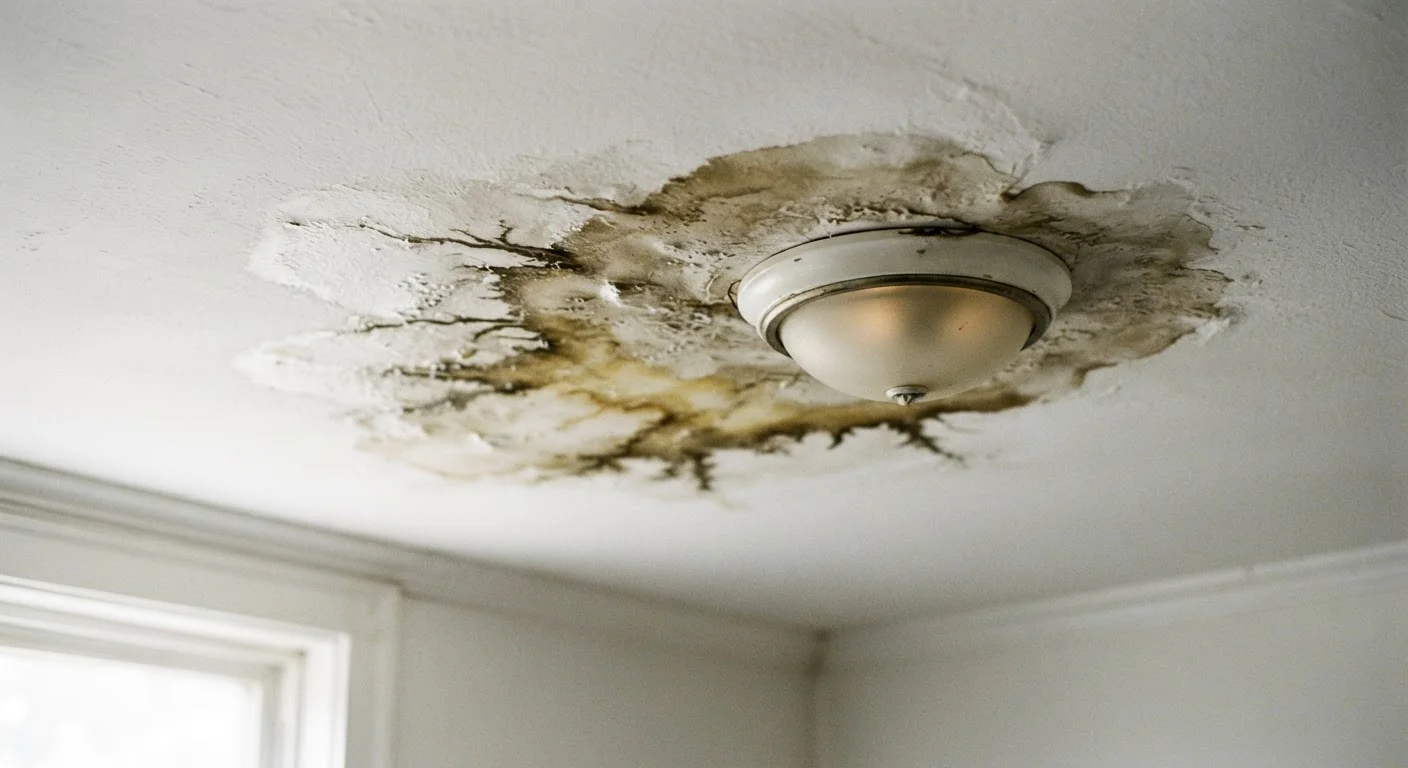
Why Small Leaks Are Dangerous
Water is patient. A slow drip behind a cabinet or a hairline crack in a supply line hose can deposit moisture for weeks before you notice any visible sign. By then, the damage — rotted subfloor, warped framing, or active mold growth — may already be underway.
According to the Insurance Information Institute, water damage and freezing are among the most common homeowners insurance claims filed in the United States. Yet a large share of those claims involve damage that started small and went undetected. This is exactly the pattern that a consistent inspection habit can interrupt.
The financial case is straightforward: catching a failing supply hose early might cost the price of a replacement hose. Catching it after it bursts can mean gutting a cabinet, replacing flooring, and remediating mold — expenses that can reach into the thousands. The same logic that applies to deferred car maintenance applies here. See how that compounding effect works in our guide to deferred car repairs.
Where Leaks Commonly Hide
Targeted inspections are far more effective than general vigilance. Focus your attention on these high-risk locations:
- Under kitchen and bathroom sinks: Supply line fittings and drain connections loosen over time. Look for mineral deposits (white or rust-colored crust), soft cabinet flooring, or dark staining on the cabinet base.
- Behind and under toilets: The wax ring seal at the toilet base fails gradually. Signs include slight rocking of the toilet, staining at the floor line, or soft flooring near the base.
- Around the washing machine: Braided supply hoses have a finite lifespan and can fail without warning. Inspect the hose connections at the wall and behind the machine quarterly.
- Water heater base and pressure relief valve: A small puddle or corrosion around the base may indicate a failing tank long before a full rupture.
- Caulk and grout in wet areas: Cracked or missing caulk around tubs, showers, and sinks lets water migrate into wall cavities. Our guide to grout, caulk, and sealant explains how to identify which material belongs where.
- Ceilings directly below bathrooms: A brownish stain or soft spot on a ceiling below an upstairs bathroom almost always signals an active or past leak above.
Don't Forget Appliances With Water Lines
Refrigerators with ice makers, dishwashers, and under-counter water filtration systems all have supply connections that can loosen or fail over time. These are frequently overlooked because they're behind or beneath appliances. Pulling appliances away from the wall during an annual inspection adds only a few minutes and can reveal problems early.
Warning Signs You Should Not Ignore
Beyond obvious drips, water problems reveal themselves through subtler cues:
- Musty or earthy odor in a closed cabinet, closet, or bathroom — often mold before it's visible
- Bubbling or peeling paint on walls or ceilings
- Soft, spongy, or discolored drywall anywhere near plumbing fixtures or exterior walls
- Higher-than-normal water bills without an obvious explanation — a red flag for a hidden supply line leak
- Warping or buckling flooring, particularly near sinks, dishwashers, or refrigerators with ice makers
Any one of these signs warrants a closer look the same day. Two or more together suggest you should investigate immediately — and consider calling a plumber or water damage professional.
1 in 50
Homeowners file a water damage claim each year
According to the Insurance Information Institute, water damage and freezing account for nearly 24% of all homeowners insurance claims paid.
$13,000+
Average water damage insurance claim cost
The Insurance Information Institute has reported average claim costs for water damage and freezing consistently exceeding $13,000 in recent years.
Best Practices for Preventing and Catching Leaks
Conduct a monthly visual inspection of all under-sink cabinets
Supply line fittings and drain connections are among the most common sources of slow household leaks. Regular visual checks catch early signs — mineral buildup, staining, soft flooring — before structural damage occurs.
Replace washing machine supply hoses on a schedule, not just when they fail
Standard rubber supply hoses are prone to failure, particularly after five to seven years of use. A burst hose can release a significant volume of water in a short time. Proactive replacement is far cheaper than the resulting damage.
Maintain and inspect caulk and grout in all wet areas annually
Gaps in caulk or cracked grout around tubs, showers, and sink surrounds create direct pathways for water to enter wall assemblies. Moisture inside walls can accumulate for months before any visible damage appears.
Know where your main water shut-off valve is and confirm it works
In a plumbing emergency, reaching the shut-off within seconds — rather than searching for it — can limit water damage significantly. A valve that hasn't been turned in years may also be seized.
Monitor your water bill as a leak-detection tool
A hidden supply line leak inside a wall or under a slab may leave no visible sign for months. An unexplained increase in your water bill is often the first detectable symptom.
For a broader picture of what routine home upkeep involves, the complete home maintenance overview is a useful companion resource.
Quick Wins You Can Do Today
When to Call a Professional
Some water-related repairs are well within DIY reach — replacing a faucet washer, recaulking a tub surround, or swapping an accessible supply hose. Others are not. Call a licensed plumber or water damage professional when:
- You find or suspect mold inside a wall cavity or under flooring
- The source of the leak is not visible or identifiable
- Structural materials (subfloor, framing, drywall) show signs of saturation or rot
- The main supply line, water heater, or sewer line appears to be involved
Attempting complex repairs without the right knowledge can cause additional damage or create safety hazards. Our article on knowing when a repair is DIY-friendly walks through how to read that line honestly.
Take Photos During Every Inspection
Photographing areas like the water heater base, under-sink connections, and washing machine hoses during each inspection gives you a baseline to compare against. Changes that develop slowly — a new stain, slight corrosion growth — are much easier to catch when you have a reference point from three or six months earlier.
The content on this site is for informational purposes only and is not a substitute for professional advice. Always consult a qualified professional for guidance specific to your situation.