

The Real Cost of Waiting
It's easy to rationalize putting off a small car repair. The brake squeal is new, the check-engine light just came on, or that slow tire leak isn't bad enough to deal with today. But vehicles are interconnected systems - when one component degrades, it places stress on neighboring parts. What starts as a $80 brake pad replacement can become a $400 rotor resurfacing job within a few months of delay. That same logic applies across nearly every system in your car.
According to the Car Care Council, drivers who follow a consistent maintenance schedule spend significantly less on unexpected repairs than those who address issues only when they become unavoidable. The math is straightforward: proactive fixes are almost always cheaper than reactive ones. See what every milestone on your maintenance schedule means for a full breakdown of when key services are due.
$1,200+
Average unexpected car repair cost
AAA research has found that the average unexpected vehicle repair costs between $1,200 and $1,500 - enough to strain most household budgets significantly.
35%
Drivers with inadequate emergency savings for repairs
Industry surveys consistently find that a large share of American drivers lack sufficient savings to cover a major unexpected car repair without financial hardship.
Common Deferred Maintenance Mistakes - And Why They Happen
Most drivers aren't careless - they're busy, uncertain, or underestimating risk. The mistakes below are among the most consequential cases where small delays become expensive emergencies.
Ignoring the check-engine light for weeks or months.
Why it happens: Drivers often assume it's a minor sensor issue or emissions quirk and don't want to pay a diagnostic fee for something that seems inconsequential.
Skipping or stretching oil changes beyond recommended intervals.
Why it happens: With busy schedules and tighter budgets, oil changes feel optional - especially when the car still seems to run fine.
Delaying brake service after the first signs of wear.
Why it happens: Brake squealing is easy to dismiss as a quirk, especially if stopping performance still feels adequate.
Letting a slow tire leak go unaddressed.
Why it happens: If the tire stays inflated long enough to get through the week, the problem feels manageable. Many drivers top up air and move on.
Ignoring coolant leaks or running low on coolant.
Why it happens: Coolant issues often don't present obvious symptoms until the temperature gauge rises - and by then, damage may already be occurring.
How to Build Habits That Prevent Costly Surprises
Prevention doesn't require mechanical expertise. A few consistent habits dramatically reduce the odds of being blindsided by a large repair bill.
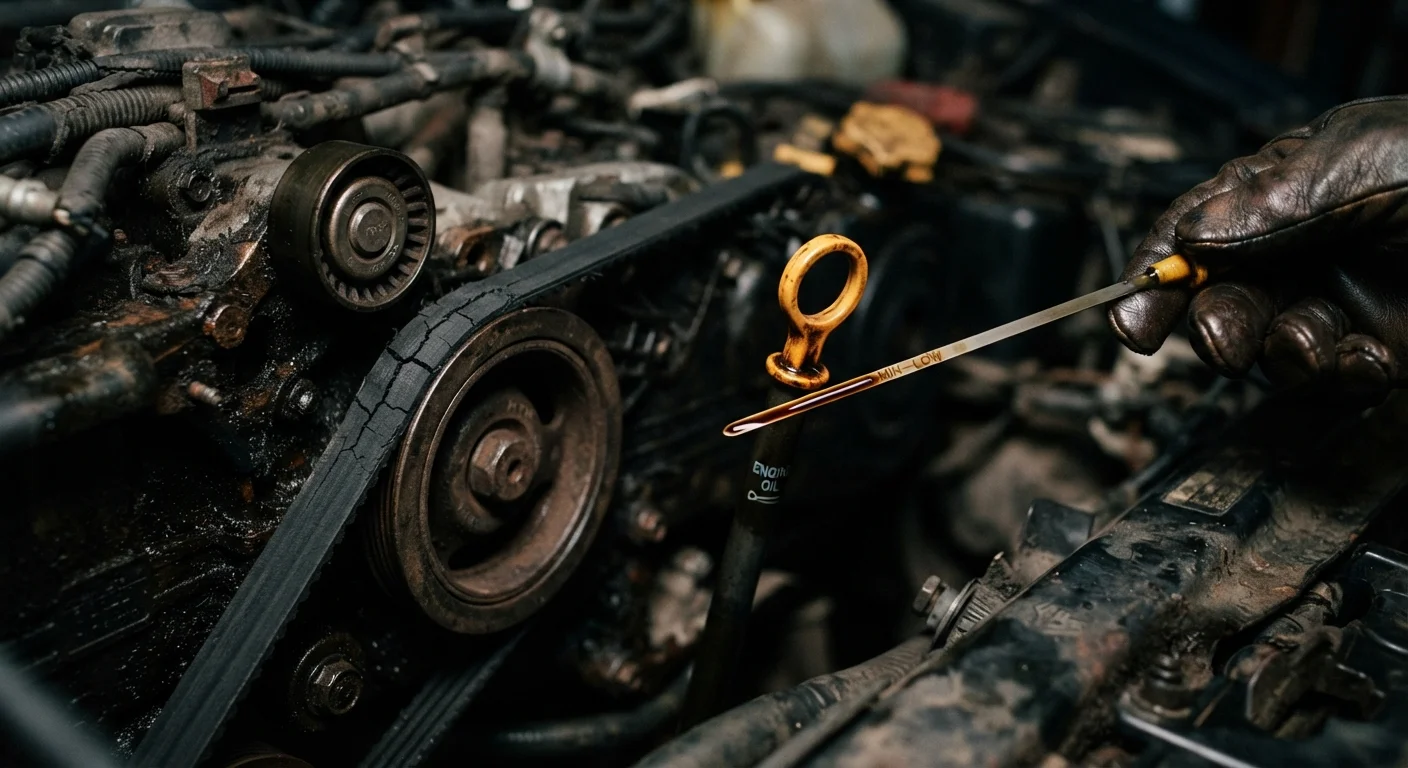
- Check fluids monthly. Engine oil, coolant, brake fluid, and power steering fluid all have reservoirs with clearly marked min/max lines. Low or dirty fluid is a visible early warning.
- Take warning lights seriously immediately. A check-engine or oil pressure light is not a suggestion - it's a signal that a system needs attention now, not next week.
- Listen for new sounds. Grinding, squealing, knocking, or hissing that wasn't there before is your car communicating a problem. Note when and where it happens and describe it to a mechanic promptly.
- Schedule regular inspections. Many shops offer free or low-cost multi-point inspections. A trained eye can spot developing issues before they escalate.
If you're weighing whether to handle a repair yourself, understand the real tradeoffs of DIY maintenance before deciding - some tasks are genuinely straightforward, while others carry real risk. And if you're unsure whether a specific fix is within reach, learn how to read the difference between a DIY job and one that needs a professional.
Never Ignore Safety-Critical Warning Signs
Brake grinding, steering pull, or a sudden loss of fluid are not issues to monitor over time - they are immediate safety concerns. If your vehicle is exhibiting any of these symptoms, have it inspected by a qualified mechanic before driving further. Operating a vehicle with compromised brakes or steering puts you and other road users at serious risk.
Deferred car maintenance follows the same logic as deferred home repairs - small problems rarely stay small. Water leaks and car issues share a common lesson: catch problems early, or pay a steeper price later. The same principle applies to your monthly budget - small recurring costs add up faster than most people expect, and unexpected repair bills are among the most disruptive.
The content on this site is for informational purposes only and is not a substitute for professional advice. Always consult a qualified professional for guidance specific to your situation.