

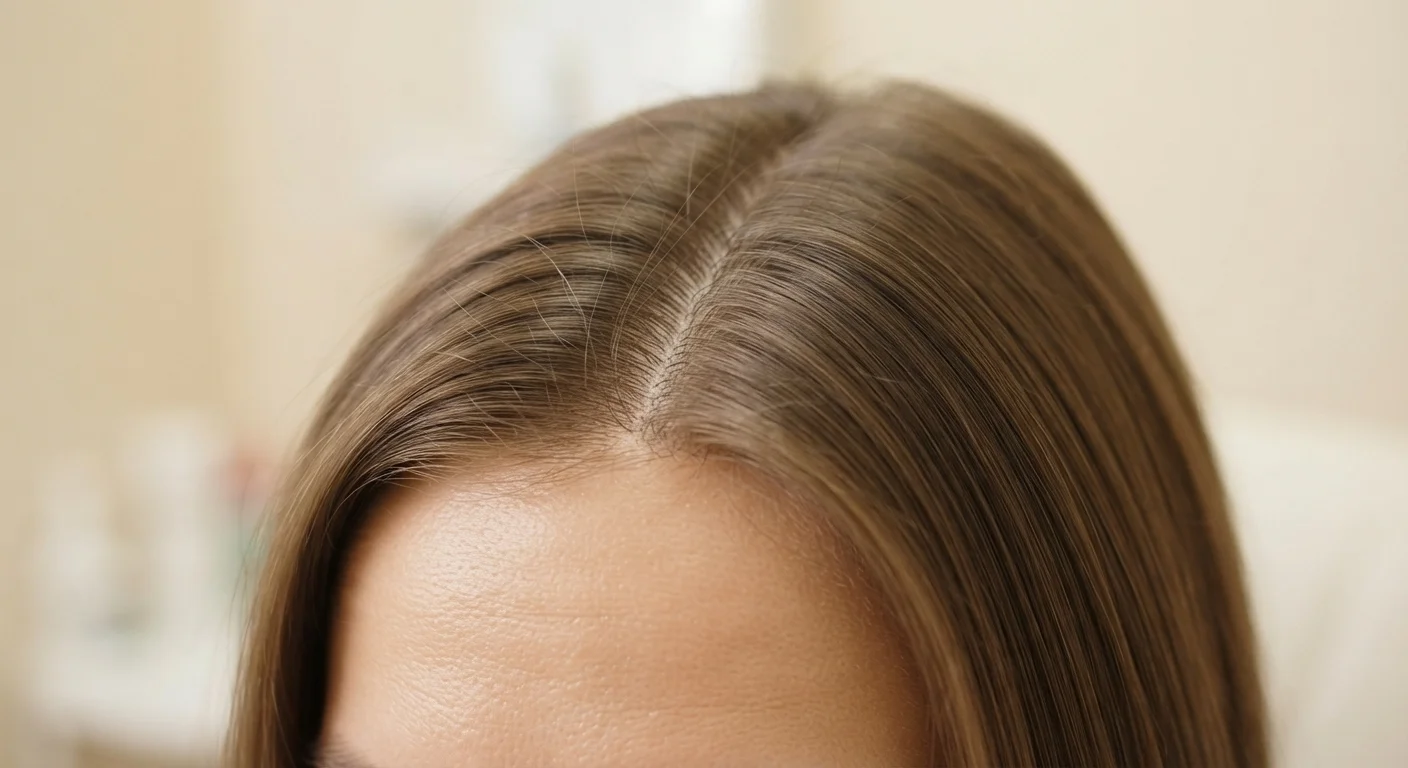
Why Scalp Health Actually Matters
The scalp is living skin — home to roughly 100,000 hair follicles, sebaceous glands, and a microbiome of bacteria and fungi. When that environment is disrupted by chronic inflammation, excess sebum, product buildup, or conditions like seborrheic dermatitis, follicle function can be genuinely affected. Research does support a link between scalp inflammation and impaired hair cycling, which is the biological process that moves strands through growth, transition, and shedding phases.
That said, "scalp health" has become a major marketing category, and the distance between what the science supports and what a bottle promises is often considerable. Understanding the difference protects your money and your hair. For a deeper look at how hair structure shapes your care needs, see our guide on porosity, texture, and density.
Myth
Washing your hair every day makes it grow faster by keeping the scalp clean.
Fact
Wash frequency affects scalp cleanliness and oil balance, but it does not directly accelerate hair growth.
Hair grows from follicles beneath the scalp surface at a rate determined largely by genetics and hormones — not by how often you shampoo. Daily washing can actually be counterproductive for some hair types by stripping natural oils and causing scalp dryness or irritation. The right wash frequency depends on your scalp's oil production, your hair's porosity and texture, and your activity level. Our article on sulfate-free versus traditional shampoo explores how formula choice fits into that equation.
Myth
Scalp serums and growth oils can reactivate dormant follicles and reverse hair loss.
Fact
No over-the-counter topical serum has robust clinical evidence for reactivating truly dormant follicles. Hair loss driven by genetics or hormones requires medically evaluated treatment.
Ingredients like caffeine, rosemary oil, and peptide complexes are commonly marketed as follicle-stimulating. Some, like rosemary oil, have preliminary studies suggesting modest effects comparable to low-dose minoxidil in certain populations — but these studies are small, short-term, and not universally replicated. Androgenetic alopecia (pattern hair loss) involves a hormonal mechanism that topical cosmetics are not formulated or regulated to treat. If hair loss is your concern, a dermatologist or trichologist can evaluate the cause and discuss evidence-based options.
Myth
Product buildup is the main reason hair stops growing.
Fact
Hair growth rate is primarily governed by follicle biology, not surface buildup — though severe chronic inflammation can affect follicle health over time.
Buildup from styling products, dry shampoo, and heavy conditioners can make hair look limp and feel weighed down, and in extreme cases may clog follicle openings. But the follicle itself sits well below the scalp surface, and routine cleansing is typically sufficient to prevent any meaningful obstruction. The idea that a "clarifying reset" will dramatically accelerate growth is largely a marketing narrative. Regular, appropriate cleansing matters for scalp comfort and overall hair condition — just not as a growth hack.
Myth
If your hair is damaged, focusing on scalp health will repair the strands.
Fact
The scalp affects new growth; it cannot repair existing hair damage. Damaged hair requires different strategies entirely.
Hair fiber, once grown, is not living tissue — it cannot be biologically repaired from within by any topical product or scalp treatment. Split ends, heat damage, and chemical damage are structural problems in the strand itself. What scalp health practices can do is support the quality of new growth emerging from healthy follicles. For a realistic look at what different types of hair damage involve, see our guide on hair damage types and recovery.
Myth
Taking biotin supplements will noticeably boost hair growth for most people.
Fact
Biotin supplementation supports hair growth only in people with a confirmed biotin deficiency, which is rare in people eating a typical varied diet.
Biotin (vitamin B7) is essential for keratin production, but true deficiency is uncommon outside specific medical conditions or restrictive diets. Clinical evidence does not support the use of biotin supplements as a general hair-growth booster for people with adequate intake. High-dose biotin can also interfere with certain lab test results, including thyroid and cardiac biomarker tests — a fact worth discussing with your doctor before supplementing. General health and nutritional adequacy, rather than targeted megadosing, provides the best foundation for hair health.
What the Evidence Actually Supports
Among the interventions with the most credible research behind them:
- Scalp massage: A small but notable study found that standardized scalp massage performed daily over several months was associated with increased hair thickness. The proposed mechanism is mechanical stimulation of follicle cells. The effect was modest and the study small — but the practice is low-risk and costs nothing.
- Addressing underlying conditions: Dandruff and seborrheic dermatitis, when left untreated, can create a chronically inflamed follicular environment. Treating these conditions with appropriate antifungal or medicated shampoos (typically containing ingredients like zinc pyrithione or ketoconazole) has documented effects on scalp health, though these are dermatological treatments, not cosmetic ones. Always consult a healthcare provider for persistent scalp conditions.
- Nutritional adequacy: Iron deficiency, low ferritin, and deficiencies in zinc or biotin have been associated with increased hair shedding in research settings — particularly in people who are already deficient. Supplementing without confirmed deficiency, however, has not consistently shown benefit and can occasionally cause harm. A doctor can assess this with bloodwork.
~100
Hairs shed daily considered normal
Dermatologists generally consider losing up to 100 strands per day within the normal range of the hair growth cycle.
~0.5 in/month
Average monthly hair growth rate
The American Academy of Dermatology notes that scalp hair grows approximately half an inch per month on average, though genetics and health affect this.
50%+
Adults affected by some degree of hair thinning
Research estimates suggest that more than half of adults will experience some form of hair thinning or loss by age 50, with androgenetic alopecia being the most common cause.
If you're struggling to distinguish between normal shedding and something more concerning, our article on hair shedding versus breakage breaks down the differences clearly.
For a plain-language overview of what common shampoo and treatment ingredients actually do, hair care ingredients worth understanding is a useful reference before your next purchase.
When to See a Dermatologist
Sudden or patchy hair loss, a rapidly receding hairline, or hair loss accompanied by scalp pain, itching, or visible skin changes are not situations to address with over-the-counter products alone. These symptoms can signal underlying medical or dermatological conditions that require diagnosis. A board-certified dermatologist or trichologist can identify the cause and recommend appropriate treatment.
This article is for general informational purposes only and is not a substitute for professional medical or dermatological advice. If you are experiencing significant hair loss, scalp pain, or persistent irritation, consult a qualified healthcare provider.
The content on this site is for informational purposes only and is not a substitute for professional advice. Always consult a qualified professional for guidance specific to your situation.