

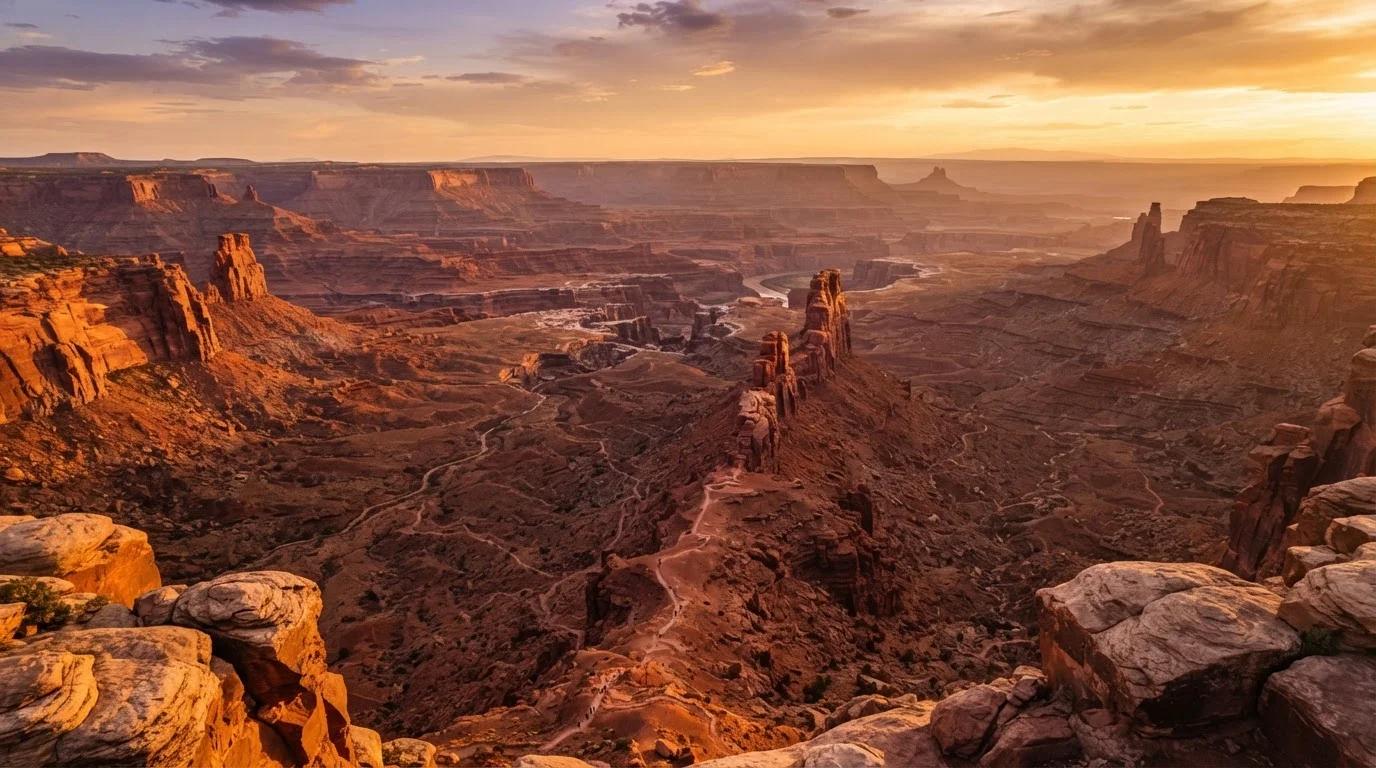
Why National Parks Catch New Visitors Off Guard
America's 63 national parks draw tens of millions of visitors every year, and for good reason — the landscapes are genuinely jaw-dropping. But the gap between what first-timers expect and what they actually experience can be wide. Parks like Yellowstone, Yosemite, and Zion aren't theme parks with guardrails at every edge. They're wild, sprawling, and logistically complex in ways that a quick Google search doesn't always reveal.
Whether you're planning your first park trip or returning after years away, getting the planning fundamentals right makes the difference between a transformative experience and a frustrating one. See our ground-up planning primer if you're starting completely from scratch.
Assuming you can show up without a reservation or permit.
Why it happens: Many first-timers treat national parks like open public land where you simply drive in. In reality, the most visited parks now require timed-entry permits, and campgrounds book up months out.
Underestimating trail distances and difficulty.
Why it happens: A trail labeled '4 miles round-trip' sounds manageable to anyone who walks regularly. But at elevation, on uneven terrain, with a heavy day pack and desert heat, that same trail can take twice as long and feel far more demanding.
Relying entirely on a cell phone for navigation.
Why it happens: We navigate everywhere with our phones, so the assumption that they'll work in a park feels natural. But vast stretches of nearly every national park have zero cell coverage.
Getting too close to wildlife or feeding animals.
Why it happens: Animals in national parks can appear calm and accustomed to humans, which tempts visitors to approach for a better photo or offer a snack. This is both dangerous and illegal.
Visiting only during peak summer without considering alternatives.
Why it happens: Summer aligns with school breaks and feels like the obvious time to travel. But July and August bring maximum crowds, maximum heat, and the most competition for permits and campsites.
Skipping the visitor center on arrival.
Why it happens: Eager visitors often head straight for the trailhead, bypassing the visitor center as an unnecessary stop. This means missing real-time updates on trail closures, fire activity, bear sightings, and ranger-led programs.
Smarter Strategies for Your National Park Visit
Once you've sidestepped the most common mistakes, a little proactive planning unlocks a dramatically better trip. Arrive at trailheads before 8 a.m. to beat both crowds and afternoon heat. Study the park's official website — not third-party aggregators — for current conditions, permit windows, and shuttle schedules. Many parks have free internal shuttles that eliminate parking headaches entirely.
Heat and Altitude Are Serious Risks
Dehydration and heat exhaustion send hundreds of park visitors to emergency services every summer. Many incidents involve people who underestimated how quickly conditions can shift, especially in desert parks like Death Valley or canyon parks like Zion. Always carry more water than you think you'll need — at least one liter per hour of hiking in hot conditions — and know the signs of heat exhaustion. Turn back if you feel dizzy, nauseated, or excessively fatigued.
Budget planning matters here too. Park entrance fees, camping costs, gear rentals, and food inside or near parks add up quickly. Our guide on why travelers overspend is a useful read before you finalize your numbers. If your park trip involves a long drive, the road trip planning walkthrough covers vehicle prep and route strategy in detail. And if the Southwest is on your radar, don't miss our orientation to the American Southwest — from the Grand Canyon to Zion, the logistics are worth understanding before you go.
325M+
Annual national park visits in the US
The National Park Service recorded over 325 million recreational visits in recent years, straining infrastructure at the most popular sites.
100 yards
Required distance from bears and wolves
NPS regulations mandate a minimum 100-yard buffer between visitors and bears or wolves to protect both wildlife and people.
85%
Of parks with unreliable or no cell coverage
The vast majority of national park backcountry areas have limited or no cellular service, according to general NPS visitor guidance.
The content on this site is for informational purposes only and is not a substitute for professional advice. Always consult a qualified professional for guidance specific to your situation.