

Start here
What Makes the Southwest Worth the Trip
Explore destinations
Key Destinations at a Glance
Handle logistics
Getting Around: Logistics You Need to Know
Pick your timing
When to Go and What to Expect
Build your plan
Planning Your Southwest Trip
What Makes the Southwest Worth the Trip
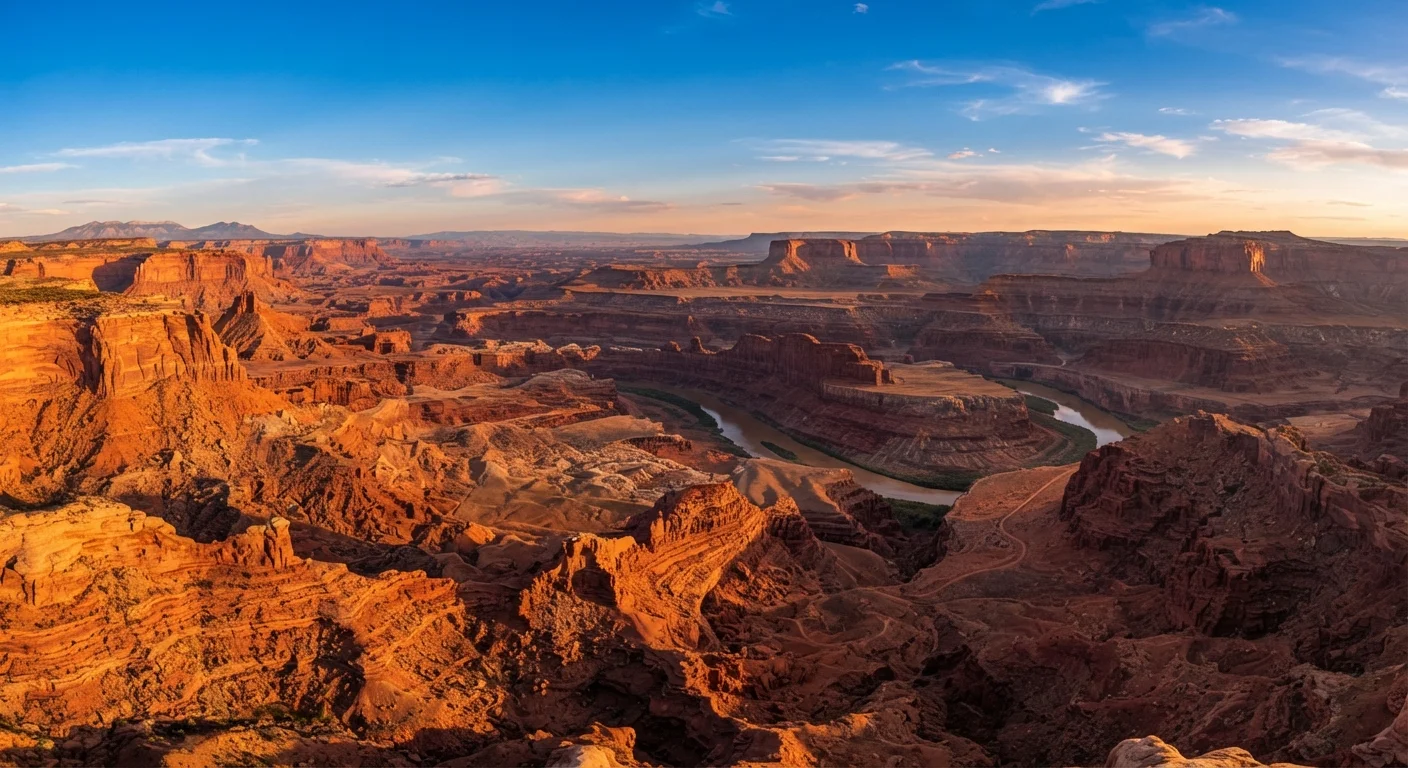
Few regions in the United States pack as much visual drama into one corner of the map. The American Southwest — loosely defined as Arizona, Utah, Nevada, New Mexico, and parts of Colorado — holds some of the world's most recognizable landscapes: the mile-deep chasm of the Grand Canyon, the soaring red sandstone arches of Utah, the alien hoodoos of Bryce Canyon, and the sage-scented plateaus of Sedona. These aren't just pretty backdrops. They're places that genuinely change how you think about scale, time, and the natural world.
The Southwest is also deeply layered in human history. Indigenous nations have lived here for thousands of years, and that living culture is woven into the landscape through ancient cliff dwellings, sacred sites, and vibrant contemporary communities. Travelers who approach the region with curiosity and respect will find it far richer than any highlight reel suggests.
Timed-entry permit
A reservation system used by popular national parks to limit the number of visitors entering a specific area during a set time window. You typically book these in advance online through the park's official website.
Tribal park
A protected area owned and managed by an Indigenous nation rather than the federal government. Entry rules, fees, and access are set by the tribe — not the National Park Service.
Flash flood
A sudden, powerful rush of water through a canyon or low-lying area triggered by heavy rain — sometimes miles away and with little visible warning. Slot canyons are particularly vulnerable.
Slot canyon
A narrow, winding canyon carved by water erosion into smooth rock walls. Famous examples include Antelope Canyon near Page, Arizona — extremely photogenic but prone to flash flooding.
Hoodoo
A tall, thin spire of rock formed by erosion. Bryce Canyon National Park contains some of the densest concentrations of hoodoos in the world.
Monsoon season
In the Southwest, a period roughly from mid-June through September when moisture from the Gulf of California pushes inland, producing frequent afternoon and evening thunderstorms.
Key Destinations at a Glance
The Southwest's most-visited anchors are worth knowing before you start mapping a route:
- Grand Canyon National Park (Arizona): The South Rim is the most accessible entry point. The North Rim is quieter and higher — but closes in winter. Rim-to-river hikes are strenuous and require serious preparation.
- Zion National Park (Utah): A favorite for canyon hikes like Angels Landing and The Narrows. The park is compact but extraordinarily popular — shuttle use is mandatory in peak season.
- Bryce Canyon National Park (Utah): Sits at high elevation (around 8,000–9,000 feet), giving it a cooler climate and stunning amphitheaters of orange and white hoodoos.
- Sedona (Arizona): Less a national park and more a destination town surrounded by red rock formations. Excellent for hiking, mountain biking, and stargazing.
- Monument Valley (Arizona/Utah border): A Navajo Nation Tribal Park — guided tours are available and strongly encouraged to ensure cultural respect and access to restricted areas.
- Arches National Park (Utah): More than 2,000 natural stone arches, including the famous Delicate Arch. Timed-entry reservations are now required during peak months.
For a broader view of what catches new visitors off guard at these parks, see America's National Parks: What First-Time Visitors Often Get Wrong.
Start with a Single Anchor Park
First-time Southwest visitors often try to fit in too many parks and end up spending most of their trip driving. Choose one or two anchor parks as the focus of your trip, then fill in nearby stops as time allows. Depth beats breadth in a landscape this rewarding.
Getting Around: Logistics You Need to Know
There is no meaningful public transit connecting Southwest parks. A rental car — or your own vehicle — is essentially required. This is prime road trip country, and many travelers find the drives between destinations just as rewarding as the destinations themselves. For a complete framework on planning a multi-stop drive, the Road Trip Planning from Scratch guide walks through every key decision.
A few logistics to nail down early:
- Distances are deceptive. Zion to the Grand Canyon's South Rim is roughly 2.5 hours. Bryce to Arches is about 2.5 hours. Budget drive time generously and don't over-schedule days.
- Fuel up proactively. Gas stations can be 50–80 miles apart in remote areas. Don't let the tank drop below half.
- Cell service is spotty. Download offline maps (Google Maps and offline NPS maps both work) and know your route before you lose signal.
- Permits and reservations: Several parks now require advance reservations for parking or entry. Check each park's official NPS page well before your travel dates.
Heat Is a Serious Hazard — Plan Accordingly
Dehydration and heat exhaustion send hundreds of visitors to park medical stations every summer. Carry at least one liter of water per hour of strenuous hiking, start demanding trails before 8 a.m., and turn back if conditions feel worse than expected. Do not count on finding water sources on the trail unless confirmed in advance.
When to Go and What to Expect
Timing shapes everything in the Southwest. Summer heat in canyon country is extreme — temperatures at the base of the Grand Canyon routinely exceed 110°F in July and August. The same months also bring monsoon season, which can bring flash floods to narrow canyons with little warning. Winter is cold at elevation, occasionally snowy, and some facilities close.
Spring (March–May) and fall (September–November) hit the sweet spot for most travelers: manageable temperatures, longer daylight, and wildflowers in spring. These are also increasingly popular windows, so popular parks fill up — reserve accommodations and any required permits as early as possible.
Expect crowds at major trailheads even in shoulder season. Arriving at sunrise is one of the most effective ways to beat both crowds and heat simultaneously.
Planning Your Southwest Trip
The Southwest rewards thoughtful planning more than almost any other US region. Because key sites are spread across hundreds of miles of high desert, the sequence and pacing of your itinerary matters a lot. A loop route — say, Las Vegas to Zion to Bryce to Page (Lake Powell) to the Grand Canyon and back — is a popular framework for first-timers covering Utah and Arizona in 7–10 days.
If you're building your itinerary from the ground up, Your First Big Trip: A Ground-Up Planning Primer covers the full process from destination selection to packing. For a structured look at the phases of any well-organized trip, The Anatomy of a Well-Planned Trip is a useful companion read.
A few final principles to carry into your planning:
- Book lodging inside or adjacent to parks as early as possible — Zion Lodge and Grand Canyon's South Rim lodges fill up months ahead.
- Pack layers. Mornings at elevation can be cold even when afternoons are warm.
- Respect posted trail closures, fire restrictions, and wildlife guidelines — these exist to protect both visitors and the landscape.
The Southwest isn't a place to rush. Give it time, stay curious, and it will give you memories that outlast any itinerary.
Visiting Indigenous Cultural Sites Respectfully
Many Southwest landmarks sit on or near land sacred to Indigenous nations. Some sites, like Monument Valley, are managed by tribal governments with their own entry rules and guided-tour requirements. Research the specific protocols for each site before you visit, follow posted rules, and do not remove rocks, artifacts, or plants — this is both culturally disrespectful and often illegal.
Frequently Asked Questions
A week gives you a meaningful taste — enough for two or three major parks. Two weeks lets you move at a comfortable pace and include smaller gems like Monument Valley or Capitol Reef. Rushing the Southwest often leads to disappointment, so build in buffer days.
Zion National Park requires a shuttle reservation or timed-entry permit for popular areas during busy seasons. The Grand Canyon's most iconic rim access is generally open, but certain trails (like Havasupai) require separate permits that sell out months in advance. Always check the official National Park Service website before your trip.
Yes, with preparation. Cell service is sparse in many areas, so download offline maps and share your itinerary with someone. Many parks have ranger stations and well-marked trails, making them accessible even for solo visitors.
Spring (March–May) and fall (September–November) are generally the most comfortable, with moderate temperatures and manageable crowds. Summer brings intense heat — often exceeding 100°F in canyon areas — and monsoon storms in July and August. Winter can be cold and snowy at elevation, but crowds thin significantly.
Absolutely. A standard rental car works well for most Southwest itineraries. Many travelers prefer a car for flexibility and use a mix of campgrounds, motels, and lodges along the route. An AWD or 4WD vehicle is worth considering if you plan to venture onto unpaved roads.
Heat, flash floods, and altitude are the primary hazards. Carry more water than you think you need, check weather forecasts before canyon hikes, and acclimatize gradually at higher elevations. Always let someone know your plans, especially for backcountry excursions.
The content on this site is for informational purposes only and is not a substitute for professional advice. Always consult a qualified professional for guidance specific to your situation.