

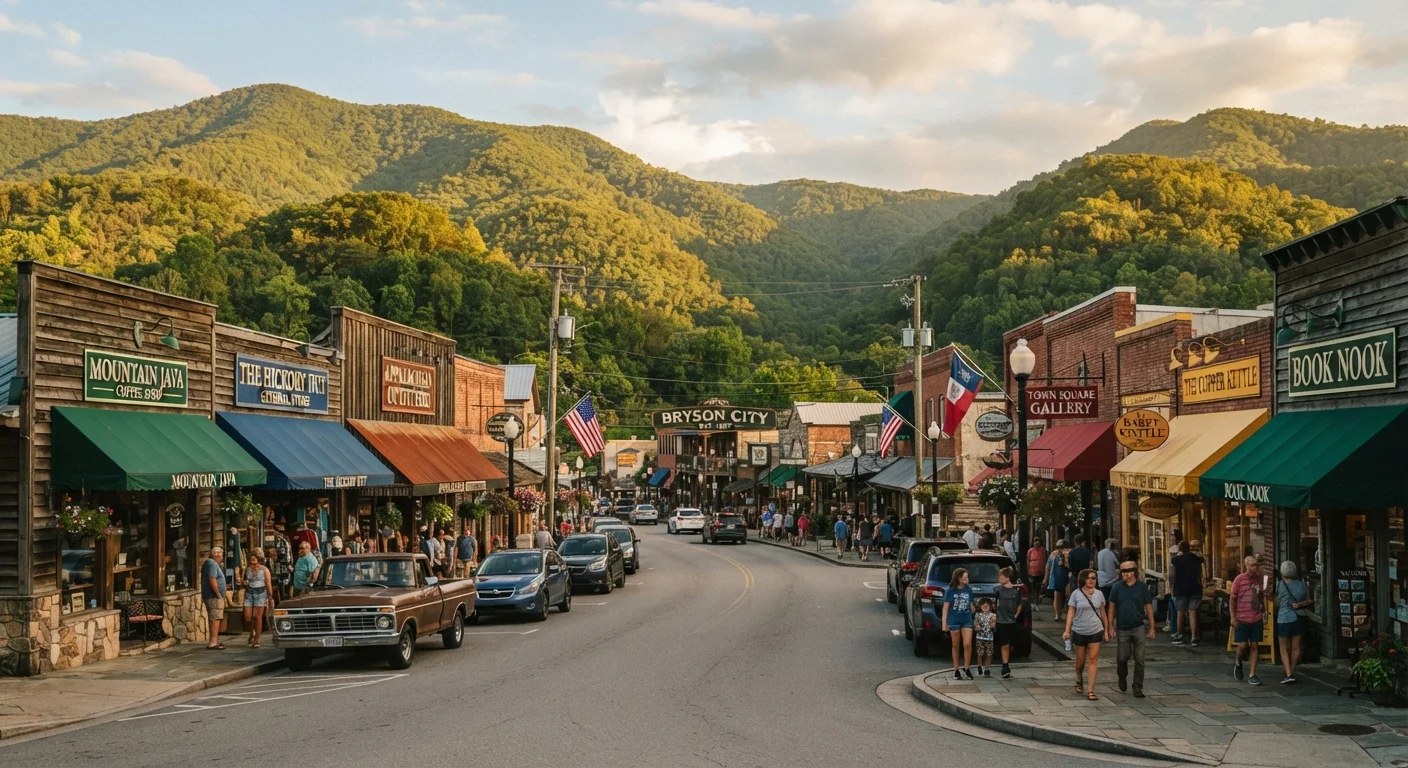
Why Appalachian Trail Towns Deserve a Spot on Your Travel List
The Appalachian Trail stretches roughly 2,190 miles from Springer Mountain in Georgia to Mount Katahdin in Maine — but you don't need to hike a single mile to feel its pull. The communities that grew up alongside this iconic footpath are some of the most characterful, historically layered small towns in America. They were shaped by mountain geography, logging and mining history, a deep folk tradition, and more recently, a steady parade of curious visitors drawn by the trail's legendary reputation.
Think of these towns less as basecamp logistics and more as destinations with their own stories to tell. Whether you're drawn to local craft breweries, regional art galleries, heritage museums, or simply a spectacular valley view from a porch rocking chair, there's a trail town calibrated to your interests. And because many sit along compelling road trip corridors, they fold naturally into a broader journey through the American East.
Make the Most of Trail Town Visits
Many trail towns have visitor centers staffed by locals who know their communities deeply — stop in early on your visit for event calendars, dining tips, and hidden scenic spots that don't show up on major travel apps. Arriving mid-week generally means shorter waits, easier parking, and more relaxed interactions with shop owners and restaurateurs.
Appalachian Trail Towns Worth Exploring
Harpers Ferry, West Virginia
Few towns in America pack as much history into such a compact space as Harpers Ferry. Perched at the confluence of the Potomac and Shenandoah rivers, it was the site of John Brown's 1859 raid — a pivotal moment in the lead-up to the Civil War. Today, the National Historical Park preserves the lower town almost exactly as it appeared in the 19th century. Visitors can walk cobblestone streets, tour preserved armory buildings, and take in interpretive exhibits covering abolitionism, the Civil War, and Reconstruction.
The views from Jefferson Rock above town are genuinely breathtaking — and entirely accessible without setting foot on the AT itself. The town also hosts a lively mix of independent shops, casual restaurants, and a regional food scene that leans on local farms and Shenandoah Valley produce.
Harpers Ferry delivers Civil War history and stunning river confluence views with zero hiking required.
Damascus, Virginia
Known among thru-hikers as "Trail Town USA," Damascus has built an entire community identity around welcoming walkers — but its hospitality extends generously to visitors arriving by car. The Virginia Creeper Trail, a converted rail corridor running through town, is a beloved cycling and walking path that even the most casual visitor can enjoy on a rented bike. The town center is small and walkable, with outfitters, cafes, and friendly locals who genuinely seem glad you showed up.
Each May, Damascus hosts Trail Days, one of the largest hiker festivals in the country, transforming the small town into a lively celebration of outdoor culture. Even outside festival season, the energy here is welcoming and unpretentious.
Damascus proves a trail town can be a full destination — cycling, festivals, and warm hospitality await.
Dahlonega, Georgia
The southern terminus town of the Appalachian Trail sits close to Dahlonega, a North Georgia mountain community with its own remarkable story. Dahlonega was the site of America's first significant gold rush in 1828 — decades before California's famous rush — and the historic courthouse on the public square now houses the Dahlonega Gold Museum, a genuinely engaging stop for history buffs.
Beyond gold history, Dahlonega has evolved into a regional destination for wine enthusiasts, with several vineyards clustered in the surrounding North Georgia wine country. A stroll through the town square, a tasting at a local winery, and dinner at one of the farm-to-table restaurants make for a satisfying visit that requires no trail map whatsoever.
Dahlonega blends America's first gold rush history with a thriving North Georgia wine scene.
Woodstock, Vermont
Vermont's Appalachian Trail section shares corridor with the Long Trail, and the charming town of Woodstock sits nearby as one of the most picturesque communities in all of New England. With a perfectly preserved village green, covered bridges, and architecture that looks lifted from a 19th-century painting, it rewards slow exploration. The Marsh-Billings-Rockefeller National Historical Park — Vermont's only National Park — tells the story of American conservation history through beautifully maintained farm buildings and carriage roads open to visitors year-round.
Local cheese makers, maple syrup producers, and a thriving arts community round out the experience. Woodstock demonstrates that trail-adjacent doesn't mean rustic roughing it.
Woodstock offers Vermont's finest village scenery, conservation history, and artisan food culture.
Millinocket, Maine
Near the northern terminus of the Appalachian Trail at Mount Katahdin, Millinocket is a former paper-mill town in the process of reinventing itself as a gateway to Maine's vast North Woods. It's the kind of place that rewards travelers who appreciate genuine, unpolished character over tourist gloss. The town sits at the edge of Baxter State Park and the newly established Katahdin Woods and Waters National Monument, offering extraordinary scenery without requiring a demanding hike.
Local outfitters offer canoe trips on pristine lakes, and the area's moose-watching opportunities are among the best in the continental United States. For visitors curious about what truly off-the-beaten-path travel looks and feels like, Millinocket is a compelling and honest answer.
Millinocket offers raw Maine wilderness, moose-watching, and a genuine small-town reinvention story.
Entry, Accessibility, and Park Passes
Some attractions near trail towns — particularly National Parks and National Historical Parks — charge entry fees or may require timed-entry reservations during peak season. The America the Beautiful pass covers entrance fees at most federal recreation sites and can offer good value for visitors planning multiple stops. Always verify current hours, fees, and reservation requirements directly with the relevant park or site before visiting, as these details change.
Planning Your Visit: What to Keep in Mind
Trail towns range from busy tourist hubs to genuinely quiet outposts. Seasons matter: fall foliage draws significant crowds from mid-September through October across most of the corridor, while summer weekends can be lively near popular sections. Spring shoulder season often rewards visitors with wildflower blooms and fewer crowds — though mountain weather can be unpredictable, so check local forecasts before you go.
For travelers who enjoy contrast, pairing an Appalachian Trail town visit with a trip to a dramatically different landscape can make for a memorable American road journey. The open desert character of the American Southwest offers a striking counterpoint to the dense, forested ridgelines of Appalachia. And if you're thinking about what "getting away from it all" really means, understanding the real trade-offs of less-visited destinations will help you set expectations wisely before you set out.
The content on this site is for informational purposes only and is not a substitute for professional advice. Always consult a qualified professional for guidance specific to your situation.