

Our Verdict
DIY car maintenance is a genuine money-saver and confidence-builder for drivers willing to learn - but only when applied to the right tasks. Routine jobs like fluid top-offs, air filters, and wiper blades are well within reach. Safety-critical systems, complex diagnostics, and anything touching emissions or advanced electronics belong in a qualified shop. The smartest approach is a hybrid one: do what you can competently, and know when to step back.
Best suited to mechanically curious drivers with basic tools, a safe workspace, and the discipline to consult their owner's manual and recognize the limits of their skill level.
What DIY Car Maintenance Actually Covers
"Doing your own car maintenance" means different things depending on who you ask. At one end sits checking tire pressure and topping off washer fluid - tasks virtually any driver can handle. At the other end sits timing belt replacement or brake caliper rebuilds - jobs requiring specialized tools, mechanical knowledge, and a clear understanding of what goes wrong when they're done incorrectly.
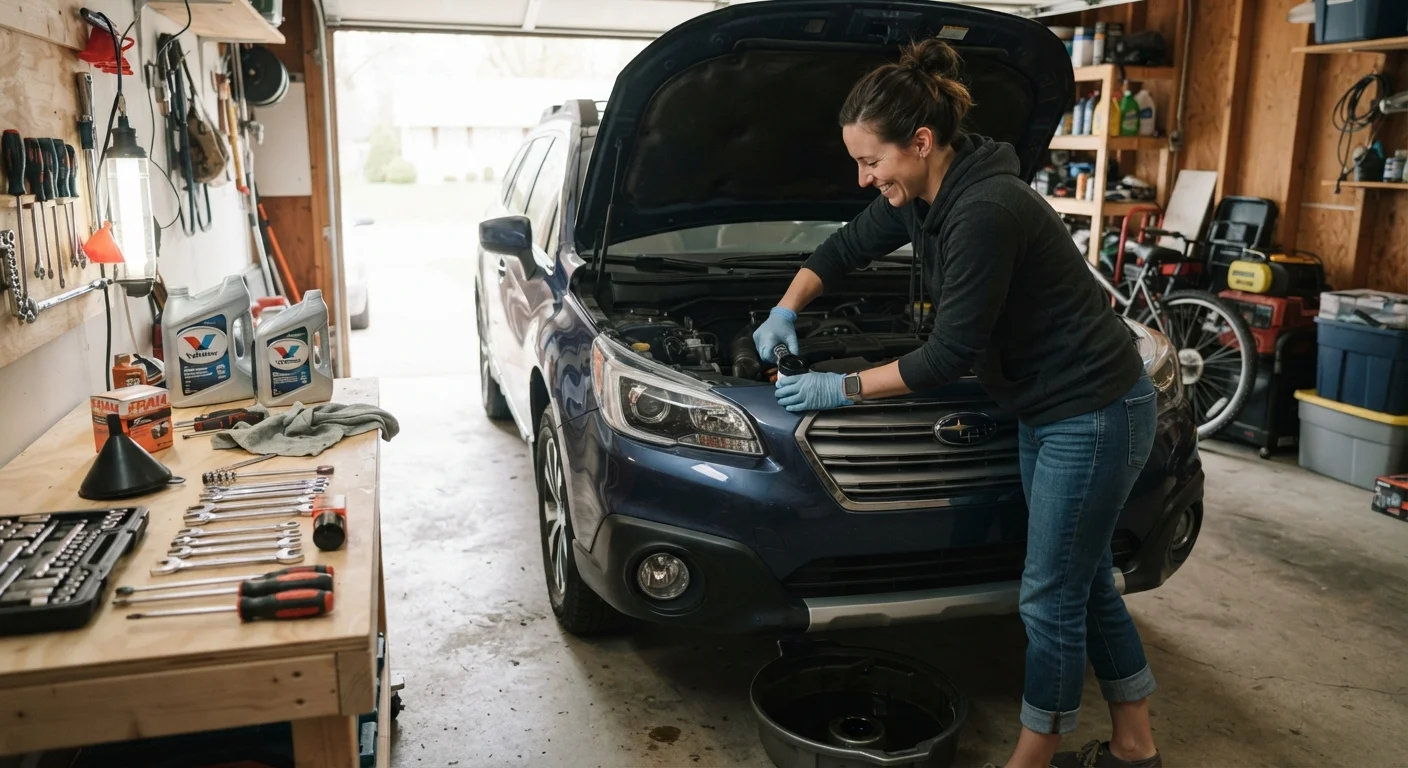
For most everyday drivers, the realistic DIY zone sits somewhere in the middle: oil changes, cabin and engine air filter swaps, wiper blade replacements, battery swaps, and basic fluid checks. These are the tasks where the honest tradeoffs of going it alone are most worth examining. For a broader look at where to draw the line, see when a repair is DIY-friendly and when it really isn't.
Reduces labor costs on routine maintenance tasks
Labor typically accounts for a significant share of shop bills. Simple jobs like oil changes, filter swaps, and wiper replacements can be done at materials cost only when handled at home.
Builds genuine understanding of your vehicle
Drivers who perform their own maintenance develop familiarity with how their car looks and sounds when healthy, making it easier to notice early warning signs before they become expensive problems.
Flexible scheduling on your own timeline
Booking a shop appointment, dropping off the car, and waiting for completion adds friction. DIY work happens when it's convenient for you, with no wait times or scheduling conflicts.
Simple tasks are genuinely accessible to most drivers
Checking and adjusting tire pressure, replacing cabin air filters, and swapping wiper blades require minimal tools and carry very low risk of error. Tasks like checking tire pressure the right way are well within reach for nearly anyone.
The Real Disadvantages Worth Knowing
The potential downsides of DIY maintenance aren't just about making mistakes - they also include hidden costs and situations where amateur work creates more risk than it eliminates.
Mistakes on safety systems create serious hazards
Errors involving brakes, steering, or suspension don't just damage the vehicle - they can compromise driver and passenger safety. These systems require correct torque specs, proper hardware, and verified function before the car returns to the road.
Modern vehicles require specialized diagnostic tools
Many routine resets and adjustments - including electronic parking brake service, tire pressure monitoring system resets, and transmission adaptations - require manufacturer-level scan tools that aren't available to most home mechanics.
Upfront tool costs reduce or eliminate savings
A first-time oil change at home may require purchasing an oil filter wrench, drain pan, jack stands, and other equipment. These costs can exceed shop rates until the tools are amortized over multiple uses.
Deferred or incorrect maintenance compounds damage
A job done partially or incorrectly - such as under-torqued lug nuts or a loose drain plug - can cause damage far more expensive than the original service cost. Small car problems that turn into big repair bills illustrates how quickly this compounds.
Warranty coverage may be complicated by undocumented work
While federal law generally protects consumers' right to perform their own maintenance, warranty claims can become contested if a manufacturer alleges that improper service caused the failure and documentation is absent.
Brake maintenance is a clear example. Pad replacement may look straightforward on video, but improper installation of brake hardware, failure to correctly compress the caliper piston, or using mismatched components can compromise stopping performance. The brake maintenance service intervals guide explains what these jobs actually involve and what signs mean a shop visit is overdue.
Where the Cost Savings Are Real - and Where They're Overstated
The most-cited reason drivers attempt DIY maintenance is saving money on labor. That benefit is genuine for certain jobs. An oil change at a shop carries labor charges on top of materials; doing it yourself means paying only for the oil and filter. Similarly, swapping an engine air filter yourself costs a fraction of the shop price for what is genuinely a two-minute job on most vehicles.
~$25-$75
Typical DIY oil change material cost
Consumer cost estimates for oil and a filter vary by vehicle and oil type; the labor savings versus a full-service shop visit can range from modest to substantial depending on location.
3-5 min
Time to replace an engine air filter
On most modern vehicles, engine air filter access requires no tools and takes only a few minutes - yet shop service charges typically include labor on top of the part cost.
However, the savings calculation shifts quickly when a job requires purchasing specialized tools you'll use once, disposing of materials like used motor oil responsibly, or correcting a mistake that causes downstream damage. DIY oil change vs. taking it to a shop breaks this cost comparison down in useful detail. Also worth considering: choosing the right oil matters as much as doing the change correctly - see conventional, synthetic blend, and full synthetic oil compared.
Documentation, Warranties, and Keeping Records
One underappreciated risk of DIY maintenance is the paper trail - or lack of one. Dealerships and lenders sometimes require documented service history when evaluating warranty claims or vehicle value. If you've been changing your own oil without keeping receipts and a log, you may face challenges proving maintenance was performed correctly and on schedule.
Federal Law and Warranty Rights
Under the Magnuson-Moss Warranty Act, manufacturers generally cannot void a vehicle warranty simply because the owner performed their own maintenance - provided it was done correctly and with appropriate parts. However, if a manufacturer can show that improper DIY work caused a specific failure, that particular claim may be denied. Keeping receipts for parts and a written maintenance log significantly strengthens your position if a warranty dispute arises.
A well-maintained service log addresses this directly. Keeping a car maintenance log explains how to document your own work in a way that holds up. And for the full picture of what stays on schedule with or without a shop, the complete guide to keeping your car running long-term is a useful reference.
This article is for general informational purposes only. Always consult a qualified mechanic before performing maintenance on safety-critical vehicle systems. Refer to your owner's manual for manufacturer-specific guidance.
The content on this site is for informational purposes only and is not a substitute for professional advice. Always consult a qualified professional for guidance specific to your situation.