

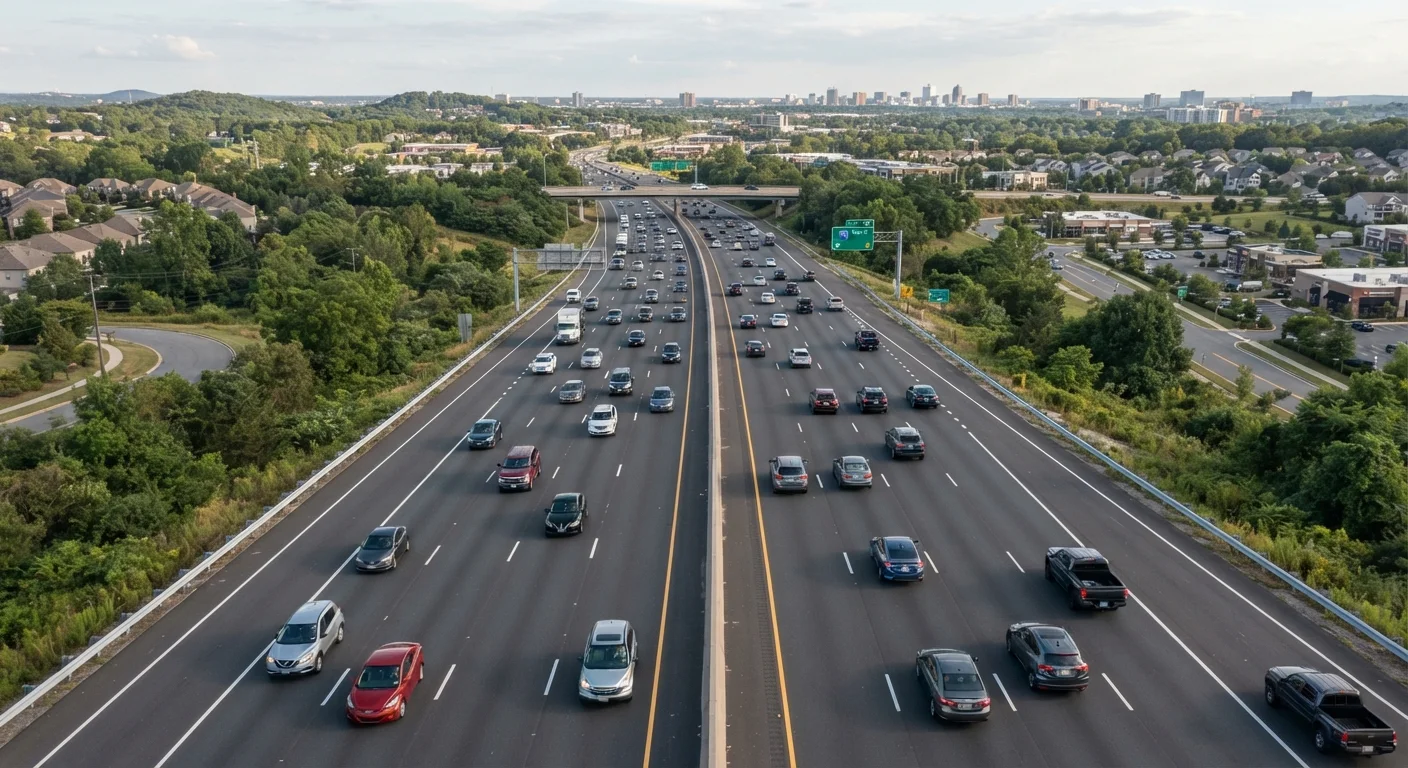
The Core Idea: Control What You Can, Plan for What You Can't
Every time you get behind the wheel, you share the road with drivers who are distracted, fatigued, speeding, or simply making mistakes. Defensive driving doesn't ask you to control them - it asks you to position yourself so their mistakes don't become your crash.
The principle rests on three foundations: awareness, space management, and decision-making under pressure. Awareness means continuously scanning your environment - not just the car directly in front of you, but 12 to 15 seconds ahead, and regularly checking your mirrors for what's closing in from behind. Space management means keeping enough distance in every direction so that if something goes wrong, you have room to respond. Decision-making means staying calm enough to choose the safest option rather than the fastest or most emotionally satisfying one.
Together, these habits change the nature of your driving. Instead of reacting to events, you're anticipating them - and that gap between anticipation and reaction is where crashes are prevented.
“The goal of defensive driving is not to make you a timid driver - it is to make you a thinking driver. The difference between a dangerous situation and a safe one is almost always the decision made five seconds before impact.”
— National Safety Council, Leading US nonprofit focused on eliminating preventable deaths
Following Distance: The Most Underrated Safety Margin
Ask most drivers how closely they follow traffic, and they'll say they leave "enough" room. Ask them to define enough, and the answers get vague. This is one of the most common gaps in everyday driver behavior - and one of the most consequential.
The physics are straightforward: the faster you travel, the more distance your vehicle needs to stop. At 60 mph, a typical passenger car needs roughly 240 to 300 feet to come to a complete stop, including reaction time. If you're following just two car lengths behind at that speed, you're not leaving enough space to avoid a collision if the driver ahead brakes suddenly.
Tailgating is more dangerous than most drivers realize - and rear-end collisions are among the most common on American roads. The three-second rule is a practical baseline: count the gap between the car ahead passing a fixed marker and your vehicle reaching the same point. In rain, snow, or reduced visibility, extend that gap significantly.
~40,000
Annual US traffic fatalities
The National Highway Traffic Safety Administration (NHTSA) reports that tens of thousands of people die in motor vehicle crashes on US roads each year, the vast majority involving driver error.
94%
Crashes attributed to human error
According to NHTSA research, approximately 94% of serious crashes are tied to driver-related factors - decisions, recognition errors, or performance failures that defensive driving directly addresses.
3 seconds
Minimum recommended following gap
Safety organizations including the NSC recommend a three-second minimum following distance under normal conditions, with additional time added for adverse weather or heavy vehicles.
Visual Scanning and Situational Awareness
New drivers are often taught to watch the car directly ahead. Defensive drivers watch the whole picture. Skilled scanning means tracking the vehicle in front of the vehicle in front of you, monitoring cross-traffic at intersections before you reach them, checking your mirrors every five to eight seconds, and identifying escape routes before you need them.
This forward-looking approach gives your brain more processing time. When you spot a truck braking hard two vehicles ahead, you can begin releasing the accelerator immediately - before you'd even see brake lights from the car directly in front of you. Those extra fractions of a second matter enormously at highway speeds.
Situational awareness also means recognizing risk factors early: a pedestrian stepping toward the curb, a vehicle edging out of a side street, a driver who's been weaving in their lane. Identifying these cues early allows you to adjust position, speed, or both - well before an emergency develops. This kind of proactive awareness is especially critical in the environments described in our guide to highway vs. city driving safety differences.
Adapting to Conditions and Other Drivers
Defensive driving isn't a fixed setting - it scales with conditions. Clear roads and light traffic allow more margin for error. Poor weather, construction zones, heavy congestion, and nighttime driving all demand a higher level of vigilance and wider safety buffers.
Rain, fog, and snow change everything about vehicle handling - reduced traction means stopping distances increase dramatically, and visibility limitations mean you need to identify hazards later than normal. Defensive drivers reduce speed proactively in these conditions, not reactively after something goes wrong.
Adapting also means managing your response to other drivers' behavior. Aggressive drivers and road rage incidents are genuine hazards. Refusing to engage - declining to match aggression, avoiding eye contact with hostile drivers, and creating distance - is itself a defensive driving strategy. Our overview of road rage and how to stay out of it covers this in detail.
Build the Habit Before You Need It
Defensive driving skills are most valuable when conditions are worst - but they need to be practiced during normal driving to become automatic. Commit to scanning farther ahead, checking mirrors regularly, and leaving extra following distance on every trip, not just when conditions seem risky. Consistency is what turns these techniques into reliable reflexes.
This article is for general informational purposes only. Always follow your state's traffic laws and consult a certified driver improvement program for personalized instruction.
Frequently Asked Questions
No. Defensive driving is about awareness, positioning, and anticipation - not speed. A defensive driver can travel at highway speeds while managing space and scanning effectively. Being overly slow without reason can actually create hazards for other drivers.
Research consistently shows that formal defensive driving training reduces crash involvement. Many insurers offer a premium discount for completing an approved course, and some states allow it to dismiss a traffic violation. Look for NSC- or AAA-approved programs.
The three-second rule is a minimum following distance guideline: pick a fixed roadside marker, and ensure at least three seconds pass between the vehicle ahead passing it and you reaching it. Add more time in poor weather, heavy traffic, or at highway speeds.
Aggressive driving prioritizes speed and position over safety, often involving tailgating, rapid lane changes, and ignoring traffic signals. Defensive driving does the opposite - it deliberately creates safety margins and avoids confrontation or risk-taking.
No technique eliminates all risk, but defensive driving significantly reduces your exposure to the most preventable crashes. The majority of collisions involve driver error, and defensive habits directly address those failure points.
Not at all. Experienced drivers can fall into complacency - arguably the biggest threat to road safety. Defensive driving principles apply to every license holder, regardless of how many years or miles they have under their belt.
The content on this site is for informational purposes only and is not a substitute for professional advice. Always consult a qualified professional for guidance specific to your situation.