
Option A
Natural Fabrics
The breathable, time-tested choice from plant and animal fibers.
Best for: Everyday comfort, temperature-sensitive wearers, and those with sensitive skin seeking breathability.
Option B
Synthetic Fabrics
The engineered, performance-driven alternative built for durability.
Best for: Active use, budget-conscious dressing, and situations where wrinkle resistance and shape retention matter.
What Sets Natural and Synthetic Fabrics Apart
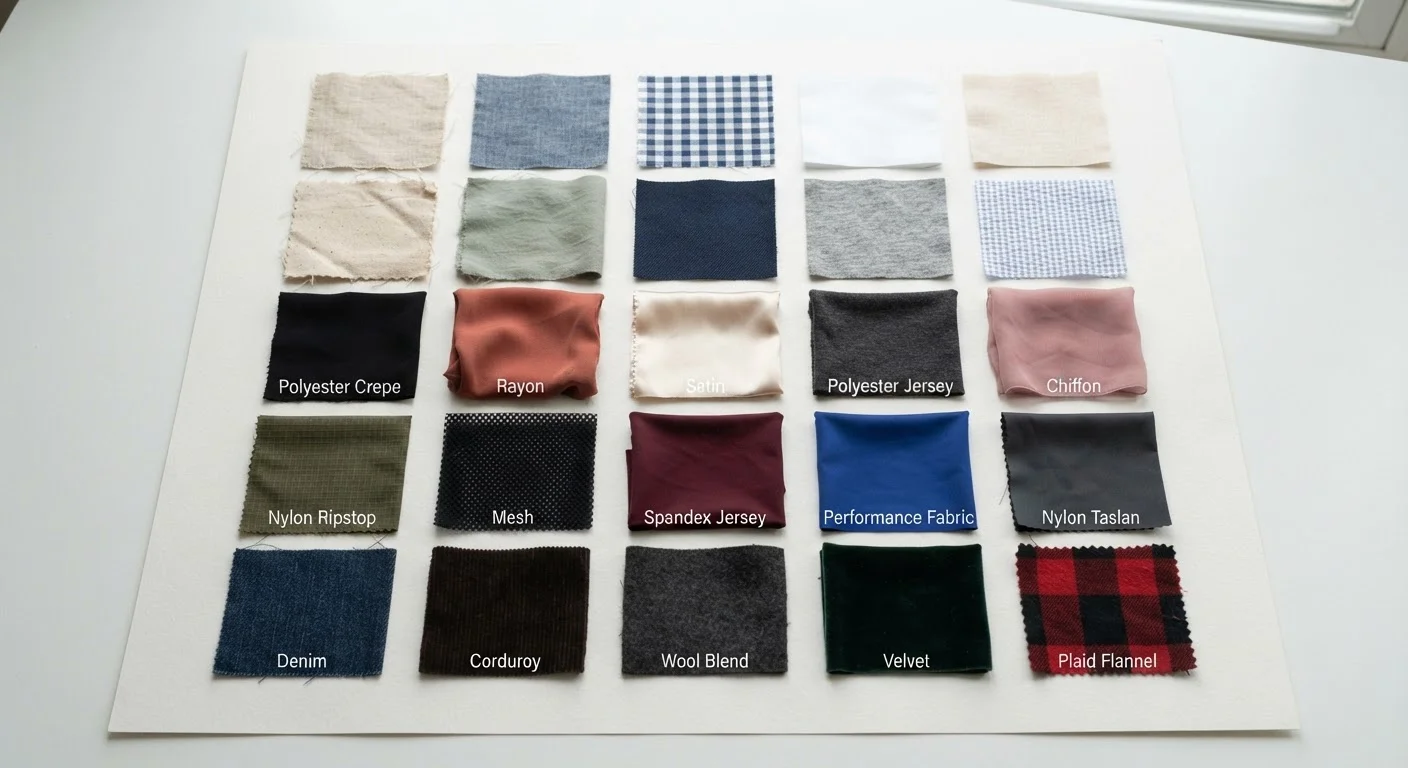
At the most basic level, natural fabrics come from plants or animals — cotton from cotton bolls, linen from flax, wool from sheep, and silk from silkworm cocoons. Synthetic fabrics, by contrast, are manufactured from chemical compounds, most commonly derived from petroleum. Polyester, nylon, acrylic, and spandex all fall into this category.
The origin of a fiber directly affects how it behaves against your skin and in your washing machine. Natural fibers have microscopic structures that allow air and moisture to move through them, which is why a cotton T-shirt feels cooler on a warm day. Synthetic fibers are often denser and less permeable, which is why a polyester shirt can feel clammy in heat but also why it dries quickly after getting wet.
Many garments today are made from blends — a mix of natural and synthetic fibers designed to capture the benefits of both. A cotton-polyester blend, for example, breathes better than 100% polyester but wrinkles less than 100% cotton. Understanding the fiber content listed on a care label gives you real insight into how a garment will perform. This connects directly to what fabric quality and construction reveal about how clothing holds up — price alone rarely tells the full story.
| Criterion | Natural Fabrics | Synthetic Fabrics |
|---|---|---|
| Source | Plant or animal fibers | Chemically manufactured fibers |
| Breathability | Generally high | Generally lower (varies by weave) |
| Moisture management | Absorbs moisture | Wicks moisture (in performance styles) |
| Wrinkle resistance | Low to moderate | High |
| Shrink risk | Moderate to high | Low |
| Durability under stress | Moderate | High |
| Typical care needs | More careful washing required | Machine-wash friendly |
| Environmental footprint | Biodegradable; farming impact varies | Non-biodegradable; petroleum-based |
Comfort, Breathability, and Skin Feel
For day-to-day wearability, breathability is often the deciding factor. Natural fabrics — particularly cotton and linen — are well-regarded for allowing heat and moisture to escape, which helps regulate body temperature. Wool, despite being associated with warmth, actually has moisture-regulating properties that make it suitable across seasons.
Synthetic fabrics have improved significantly in comfort over recent decades. Modern moisture-wicking polyester used in athletic wear is specifically engineered to pull sweat away from skin. However, in non-athletic contexts, many synthetics still trap body heat more than natural alternatives, which can be uncomfortable during extended wear.
52%
Share of global fiber production that is synthetic
According to Textile Exchange's Preferred Fiber & Materials Market Report, synthetic fibers — led by polyester — account for the majority of global fiber output.
~35%
Global fiber share held by cotton
Cotton remains the most widely used natural fiber worldwide, per industry fiber production data tracking agricultural and textile outputs.
People with sensitive skin sometimes find synthetic fabrics more irritating due to their reduced breathability and potential for friction, though sensitivity varies widely between individuals. If skin reactions to clothing are a concern, consulting a dermatologist is the appropriate step — general fabric guidance isn't a substitute for medical evaluation.
It's also worth noting that how a garment fits influences how fabric feels in practice. A well-cut linen shirt in a relaxed fit will feel far more comfortable than a tight synthetic one. As we explore in our piece on why fit matters more than the label, the way clothes sit on your body is often more important than the fabric alone.
Durability, Care, and Long-Term Wear
Synthetics generally have the edge in durability under stress. Nylon is highly resistant to abrasion, and polyester resists stretching and shrinking. These qualities make synthetic garments low-maintenance: they typically wash and dry easily, hold color well, and don't require special handling.
Natural fabrics require more attention. Cotton can shrink if exposed to high heat, linen wrinkles readily, and wool may felt or pill without careful washing. That said, natural fibers often age more gracefully — a well-maintained cotton Oxford shirt can look better with years of wear, developing character rather than breaking down.
Proper care makes a significant difference regardless of fiber type. Washing temperatures, drying methods, and storage all influence how long any garment holds up. Our guide on caring for clothes so they actually last covers what garment care actually involves in practical terms.
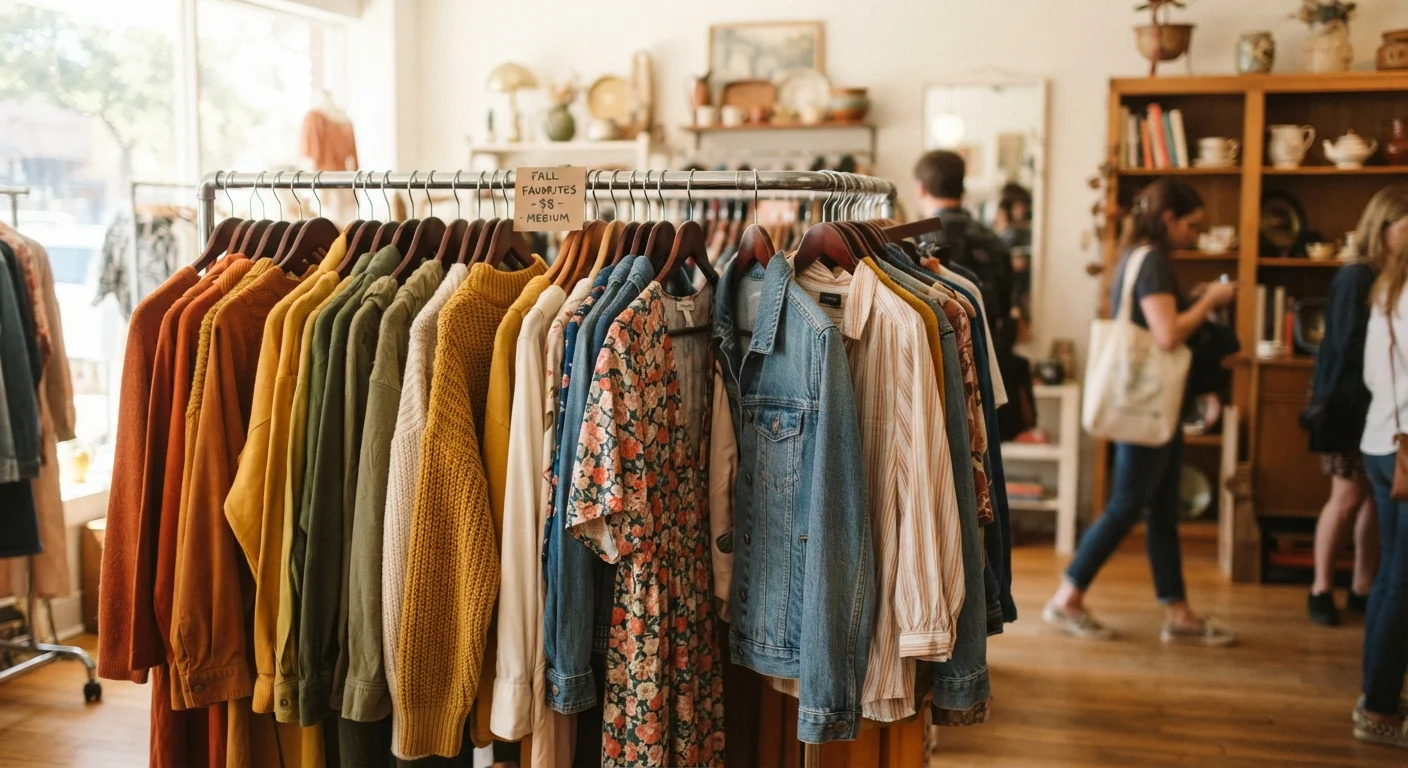
For those building a wardrobe through secondhand sources, fabric knowledge is particularly useful. Knowing what to look for in a used garment — signs of pilling, fabric thinning, or fiber breakdown — helps you choose wisely. Shopping secondhand for everyday wear becomes far more effective when you understand what you're examining.
A Note on Environmental Impact
Both fabric categories carry environmental trade-offs. Natural fibers are biodegradable but may require significant water, land, and pesticide use during cultivation — conventional cotton farming is particularly resource-intensive. Synthetic fibers shed microplastics during washing that enter waterways and are not biodegradable. Blended fabrics present additional recycling challenges. Choosing either thoughtfully — and caring for garments to extend their life — is one of the most effective ways to reduce clothing's environmental footprint.
The content on this site is for informational purposes only and is not a substitute for professional advice. Always consult a qualified professional for guidance specific to your situation.