
Option A
Fit
The structural foundation that makes any outfit work.
Best for: Anyone who wants to look put-together and confident regardless of budget or brand.
Option B
Style
The creative layer that expresses personality and taste.
Best for: Readers who already have well-fitting basics and want to develop a more personal aesthetic.
The Case for Fit: Why Clothing That Sits Right Changes Everything
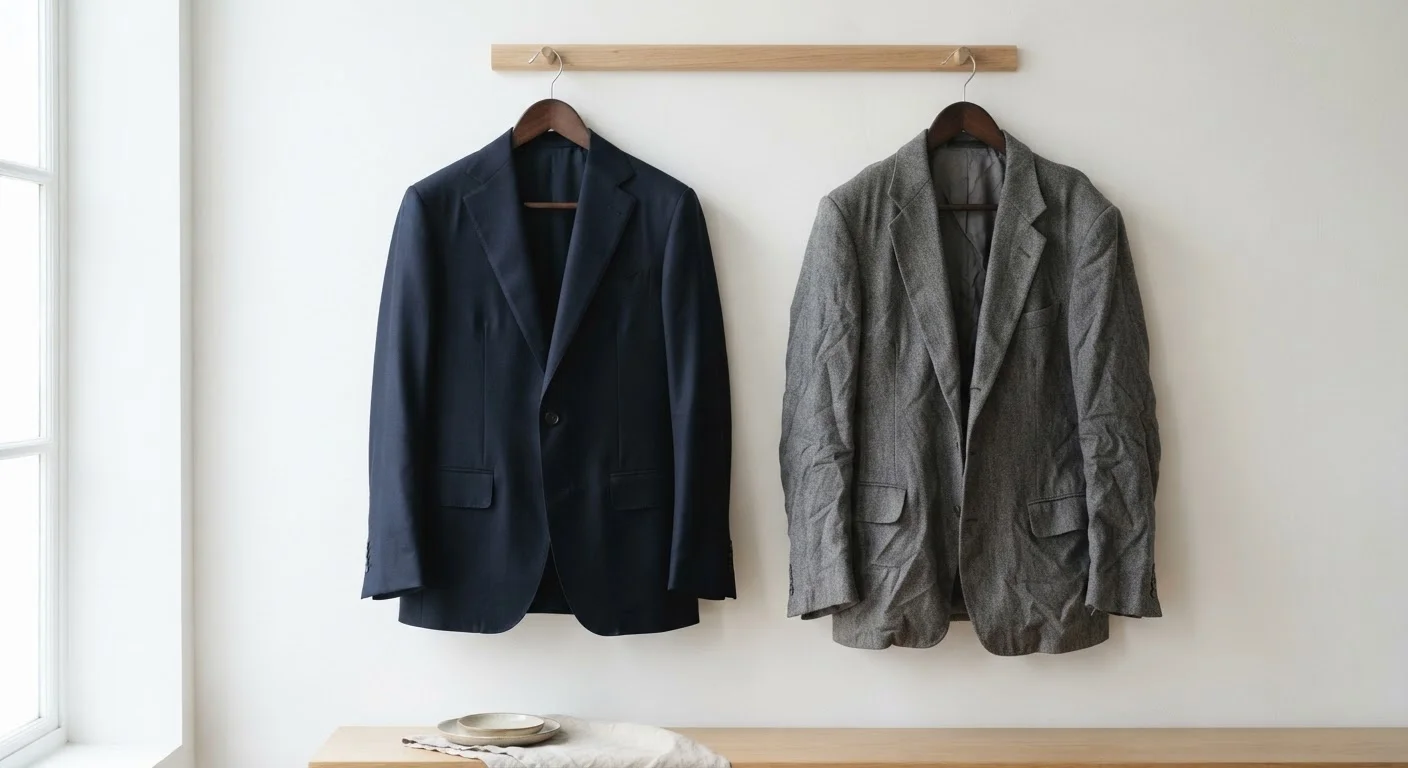
Fashion advice often fixates on what to wear — which silhouettes are trending, which colors are in season, which pieces are considered essential. But the question that matters more is how something sits on your specific body. Fit determines whether a garment reads as sharp or sloppy, confident or careless.
The mechanics are straightforward: clothing is designed around standardized size templates that don't reflect the full range of human body shapes. Shoulders, torso length, hip-to-waist ratios, and arm proportions all vary significantly between individuals. When a garment's construction aligns with your body, it moves naturally with you and creates clean lines. When it doesn't — when shoulders droop, sleeves bunch, or fabric pulls across the chest — the eye registers the distortion, regardless of how expensive or stylish the piece is.
This is why professional stylists and tailors consistently rank fit above all other considerations. A well-constructed but budget-priced shirt that fits precisely will look more polished than a designer equivalent that gaps at the buttons or hangs too long. As covered in our guide to price versus quality in clothing, cost and craftsmanship don't always move together — and the same logic applies to fit.
| Criterion | Fit | Style |
|---|---|---|
| Primary function | Structural foundation of an outfit | Aesthetic expression and personality |
| Impact on overall appearance | High — immediately visible to observers | Moderate — builds on fit foundation |
| Budget sensitivity | Low — good fit available at any price point | Varies — trend pieces can be costly |
| Skill required | Knowing your measurements and fit priorities | Understanding color, proportion, and occasion |
| Alteration potential | High — most fit issues are fixable | Limited — style is inherent to the garment |
| Longevity of impact | Timeless — good fit never goes out of fashion | Variable — some choices date quickly |
Style Without Fit: When Creative Choices Fall Flat
Style — the conscious expression of aesthetic preference through clothing choices — is genuinely valuable. It communicates personality, cultural reference, and intentionality. But style depends on fit to land. An interesting color combination or an unexpected layering choice loses its effect when the underlying garments don't sit correctly on the body. Proportion gets distorted. Lines that should be deliberate look accidental.
Consider a structured blazer worn over a fitted turtleneck: when both pieces fit well, the pairing reads as polished and considered. The same combination with a blazer whose shoulders extend an inch too far or a turtleneck that bunches at the waist looks chaotic rather than creative. Understanding proportion — how volume and length interact — is closely tied to fit, as explored in our piece on proportion and silhouette in flattering outfits.
Style is not irrelevant — it's the layer that makes getting dressed enjoyable and expressive. But it operates most effectively on a foundation of good fit. Skipping that foundation is one of the most common reasons outfits that look appealing in your mind don't translate when you're actually wearing them. If this resonates, the hidden reasons outfits don't come together article walks through several related missteps in detail.
~60%
Shoppers who buy clothes that don't fit perfectly
Industry surveys consistently find the majority of consumers regularly purchase items they know don't fit ideally, intending to alter them or hoping they'll adjust with wear.
$10–$30
Typical cost of a basic tailoring alteration
Common alterations such as hemming trousers or taking in a waistband are widely available at local tailor shops and dry cleaners at relatively low cost.
Practical Steps: Getting Fit Right Without a Big Budget
Knowing fit matters is one thing; acting on it is another. Here's where to start:
- Know your measurements. Chest, waist, hips, inseam, and shoulder width give you a reference point that transcends inconsistent sizing labels. Most dry cleaners or tailor shops will measure you for free or for a small fee.
- Identify your fit priorities. Shoulders are the hardest alteration to make well and the most expensive. When trying on a jacket or structured top, prioritize shoulder fit above all else. Hemlines, waist suppression, and sleeve length are comparatively simple fixes.
- Budget for minor alterations on key pieces. A tailor taking in a pair of trousers or shortening a hem typically costs between $10 and $30 — far less than buying a new pair. Applying this selectively to your most-worn pieces pays visible dividends.
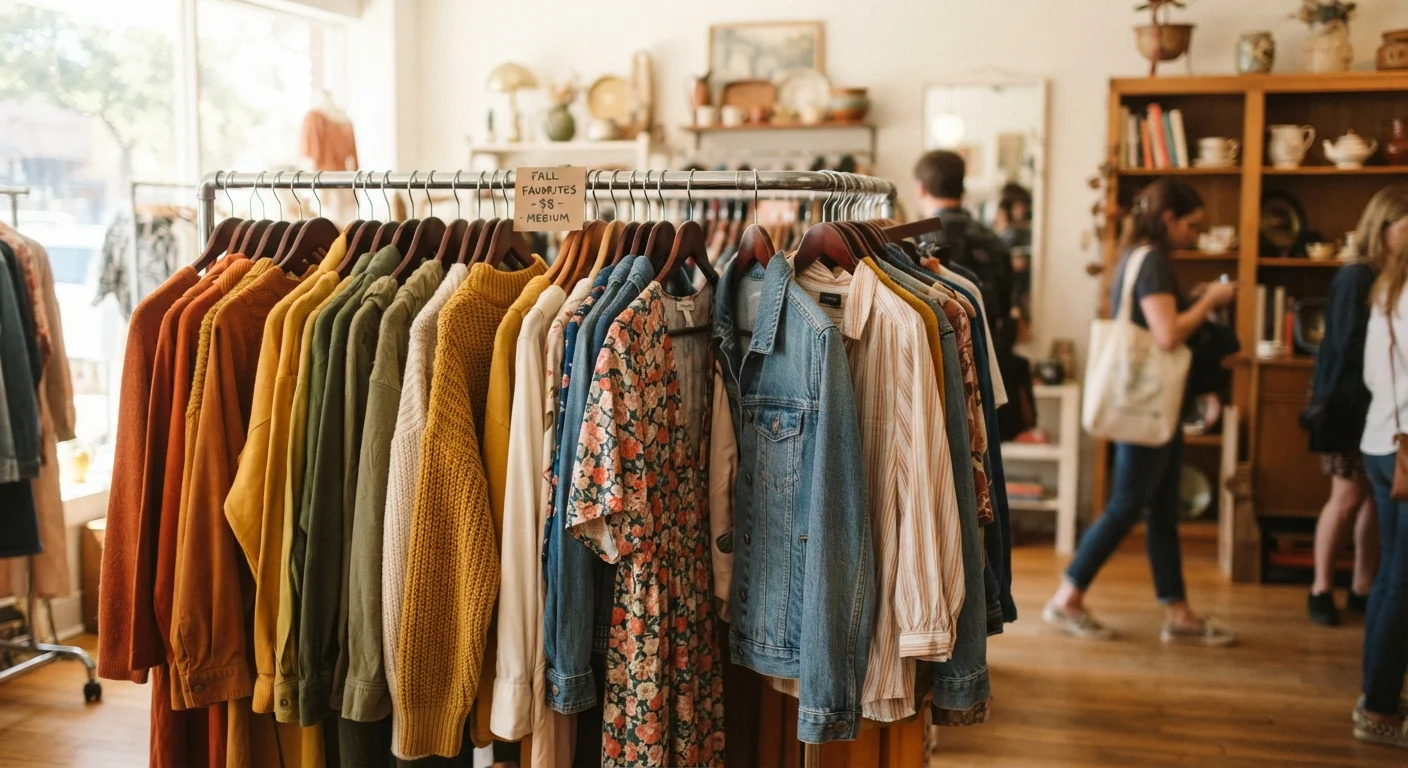
- Apply fit criteria when shopping secondhand. Thrift and resale shopping already makes financial sense, as our guide to secondhand shopping for everyday wear explains — but fit assessment is especially critical when sizing labels are unreliable.
For guidance on which pieces to apply this attention to first, our wardrobe staples that earn their space article identifies the garments that appear most frequently and do the most work in a functional wardrobe.
Fabric Affects How Fit Is Perceived
The same fit can read differently depending on the fabric's weight and drape. A well-fitted shirt in a stiff cotton poplin holds its shape visibly; the same cut in a soft jersey drapes and moves differently. Understanding how fabric behaves helps you anticipate how a garment will actually sit on your body. Our article on natural vs. synthetic fabrics covers material properties in practical terms.
The content on this site is for informational purposes only and is not a substitute for professional advice. Always consult a qualified professional for guidance specific to your situation.